Fancy something delicious from the oven? Practical tips for preserving
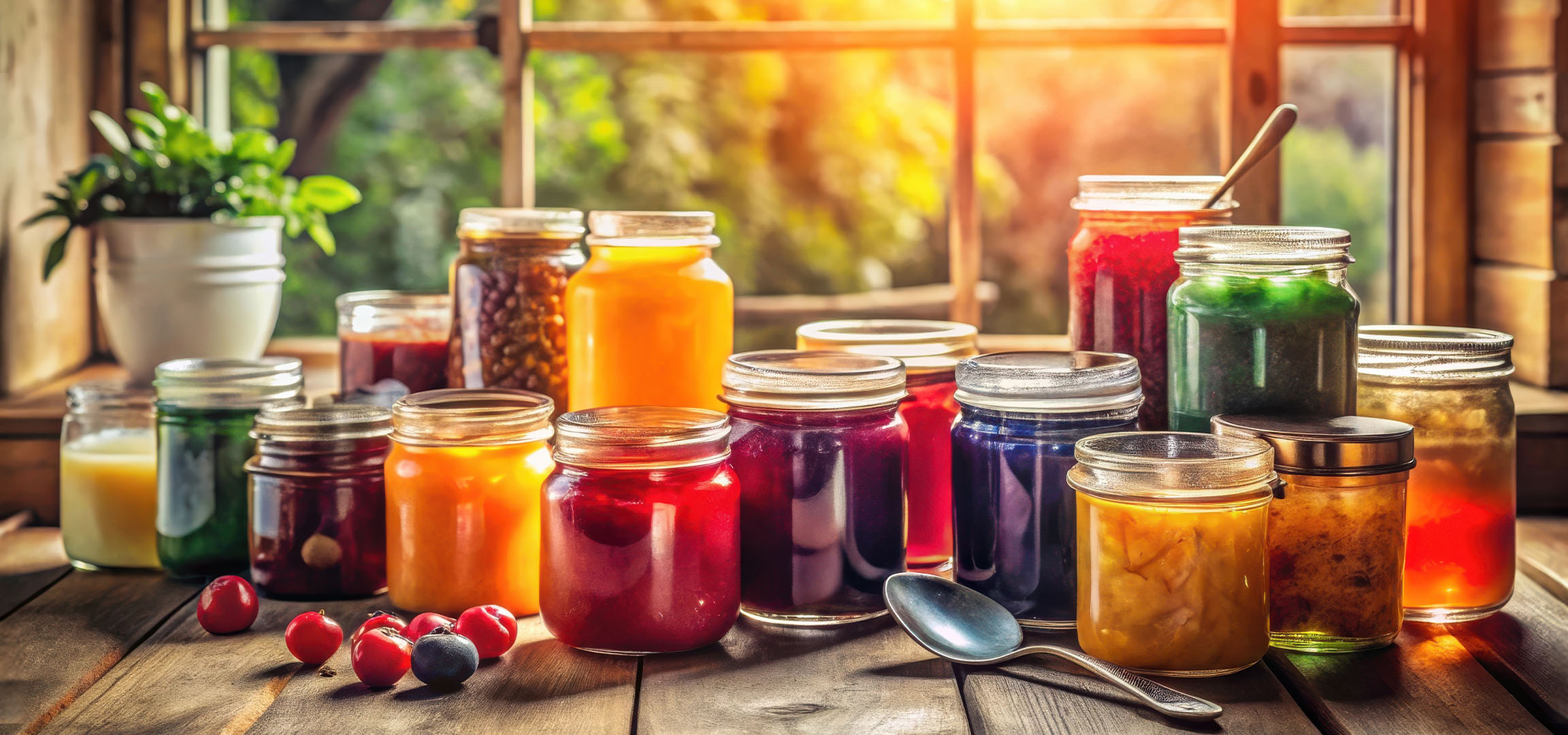
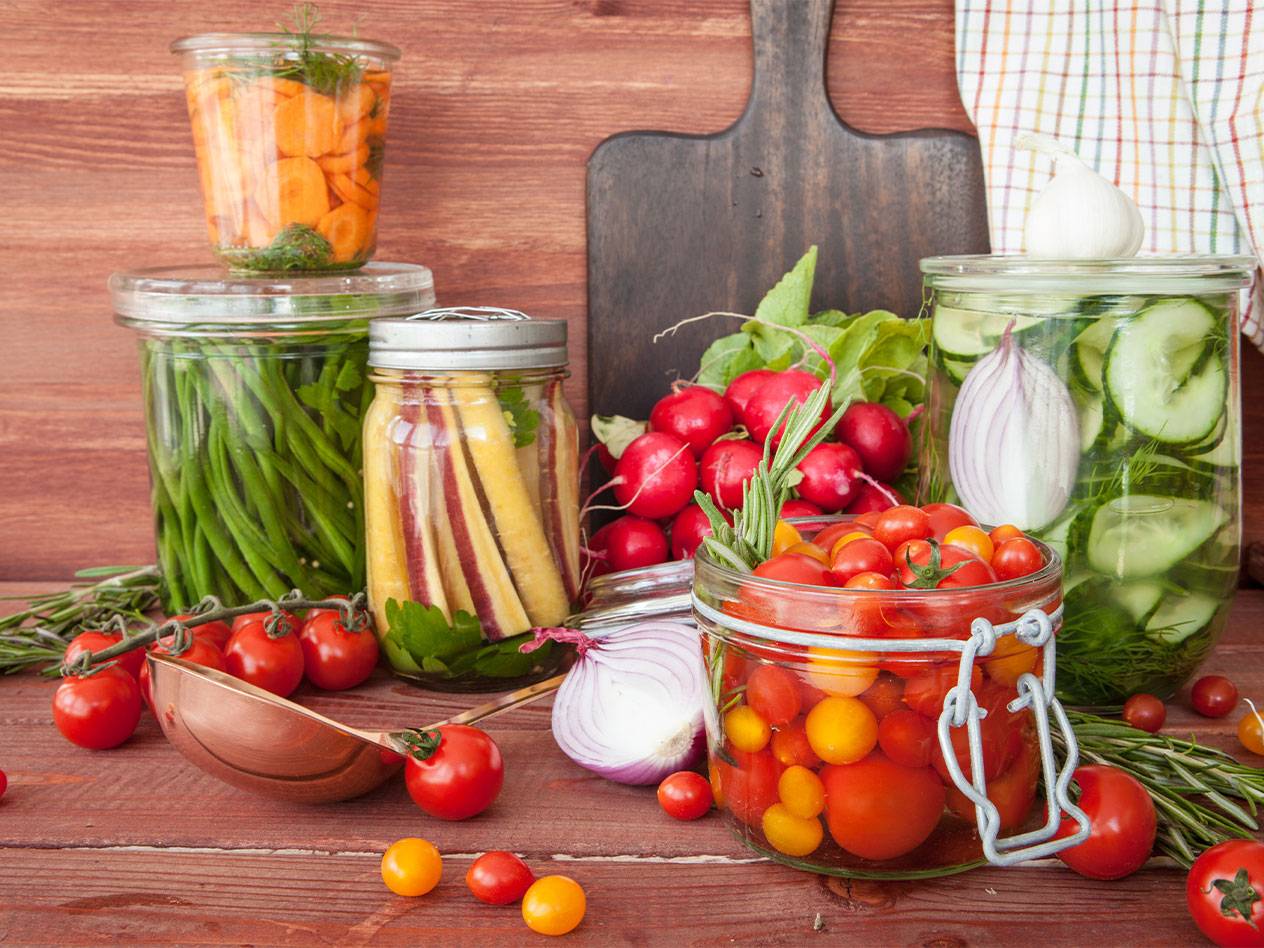
Preserving or canning is a traditional method for the long-term storage of food.
Whether it was the unexpectedly large harvest from your own garden or the supermarket offer that you simply had to grab:
Preserves are great for storing food, have a shelf life of several months, and prevent the product waste.
Preserving in the oven is especially practical.
Reasons for preserving in the oven
The oven preserving may sound unusual at first, but it has a big advantage compared to the other preserving methods: More jars can be placed on the baking tray than in a normal pot, meaning more goods can be preserved at once. This is especially important when there are many different or large quantities of ingredients.
How it works:
The principle of preserving makes use of the physical phenomena of overpressure and vacuum.
When the preserves are heated in the tightly sealed jars, excess pressure initially builds up as warm air and water vapor expand in the jar.
As soon as the glasses cool down, the air and steam are compressed again. This creates a vacuum that essentially “sucks in” the lid and thus seals the jar airtight.
The sterilization of the jars beforehand ensures that they are free of germs – the preserved goods can then be kept almost indefinitely.
Direction: Preserving in the oven
Before you start preserving, you should have all the necessary utensils ready so that the preserving process can run smoothly and without stress.
Shopping and material list
- Canning jars with lids
- Kitchen towel
- Filling funnel
- Baking tray or drip tray
- Food that can be preserved by canning
- Possibly sugar
- Liquid (water, vinegar, broth, juice or wine)
Step 1: Sterilization of jars
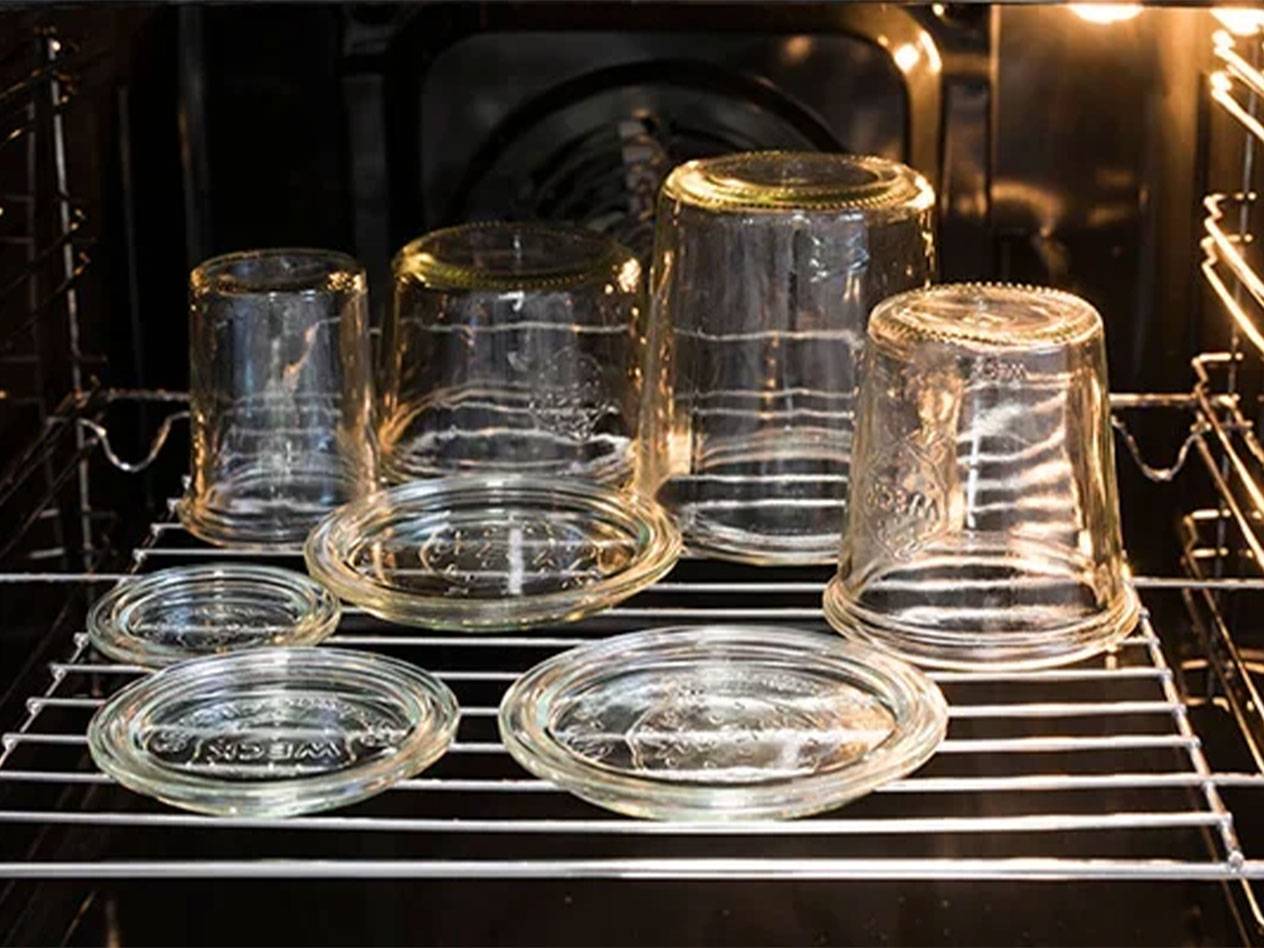
First, the jars must be sterilized. To do this, you can briefly boil the jars in hot water or rinse them with boiling water.
Then you have to dry the jars thoroughly. Alternatively, you can heat the screw-top jars in the oven for 10 minutes at 180 °C.
Boil the lids and rubber rings in water with added vinegar for 5 minutes and then lay them out to dry.
Step 2: Preparation of ingredients
While the jars are processing or cooling in the oven, you can prepare the ingredients.
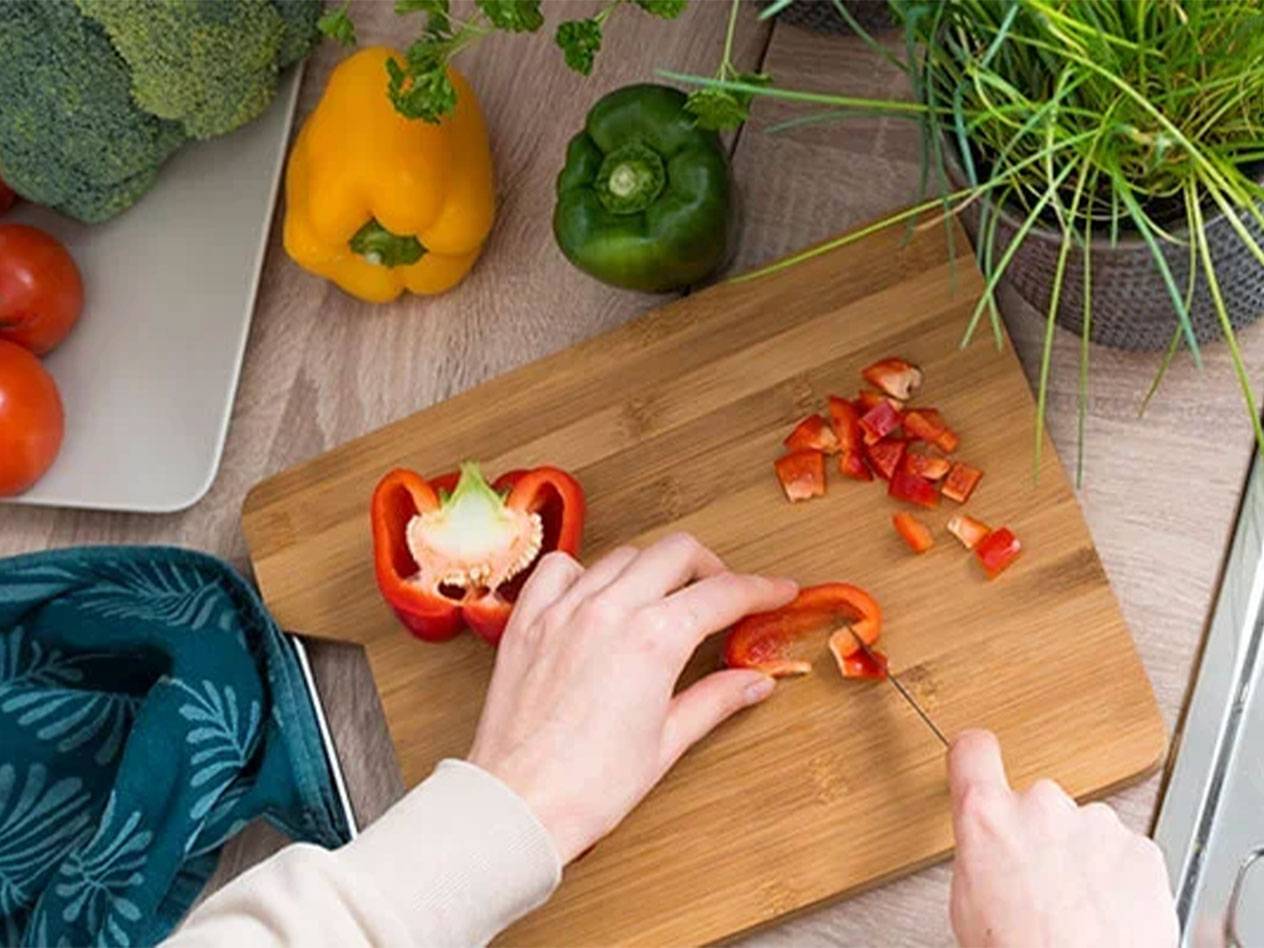
Depending on the type of preserve you choose, you will need to wash, core or stone, and cut the fruits and vegetables.
Small pieces are better than use a rough chop: The closer the pieces are packed together in the jar, the better they can be preserved.
Step 3: Filling of the jars
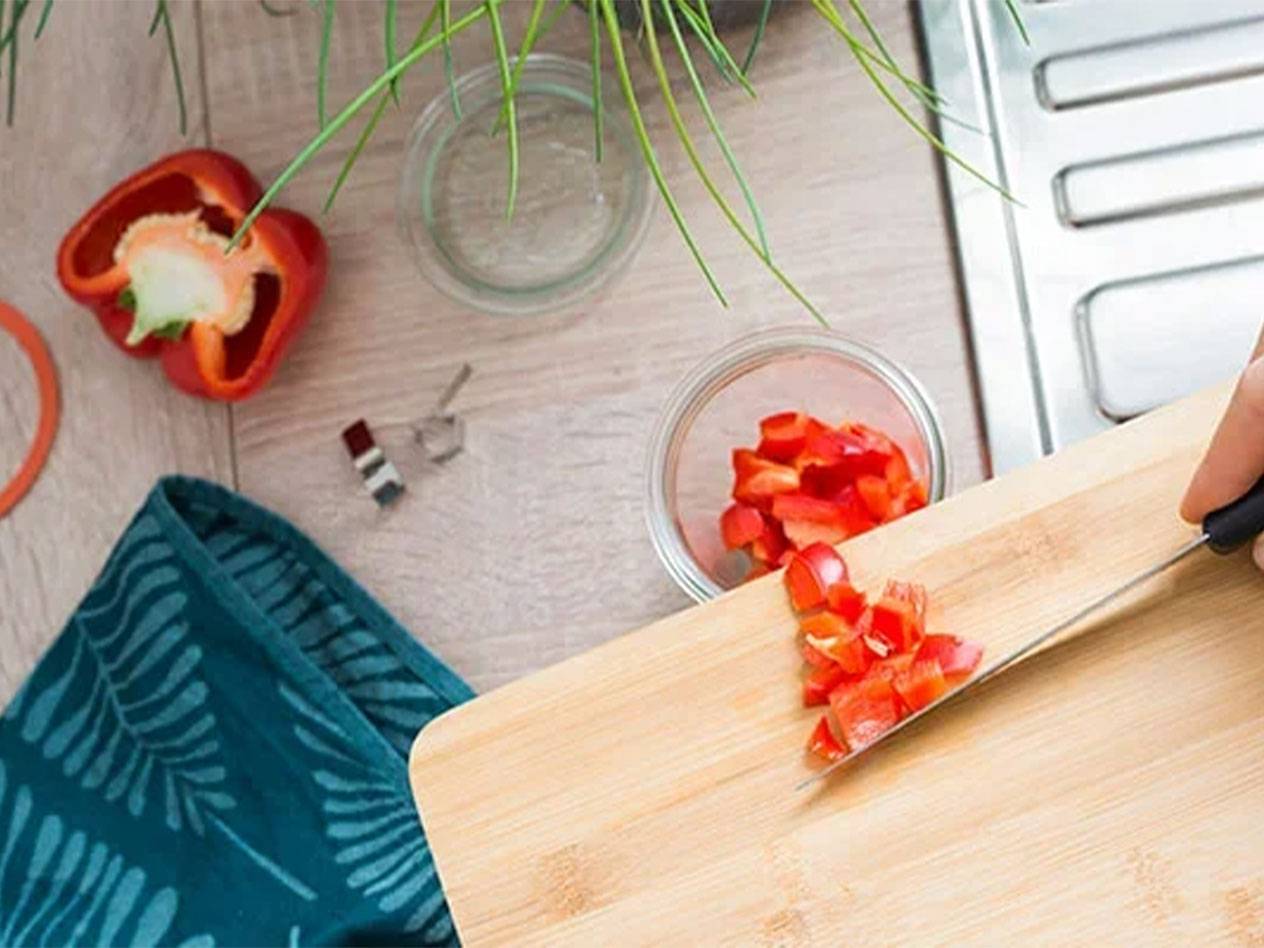
Once the jars have cooled and dried and the ingredients have been prepared, the jars can be filled.
The edges must remain clean. A filling funnel can help here.
The ingredients are then poured with the appropriate liquid.
After filling, there should be about 2 cm of air left to the edge. Put the lid on as quickly as possible and twist or clip it tight.
Step 4: Placing jars in the oven
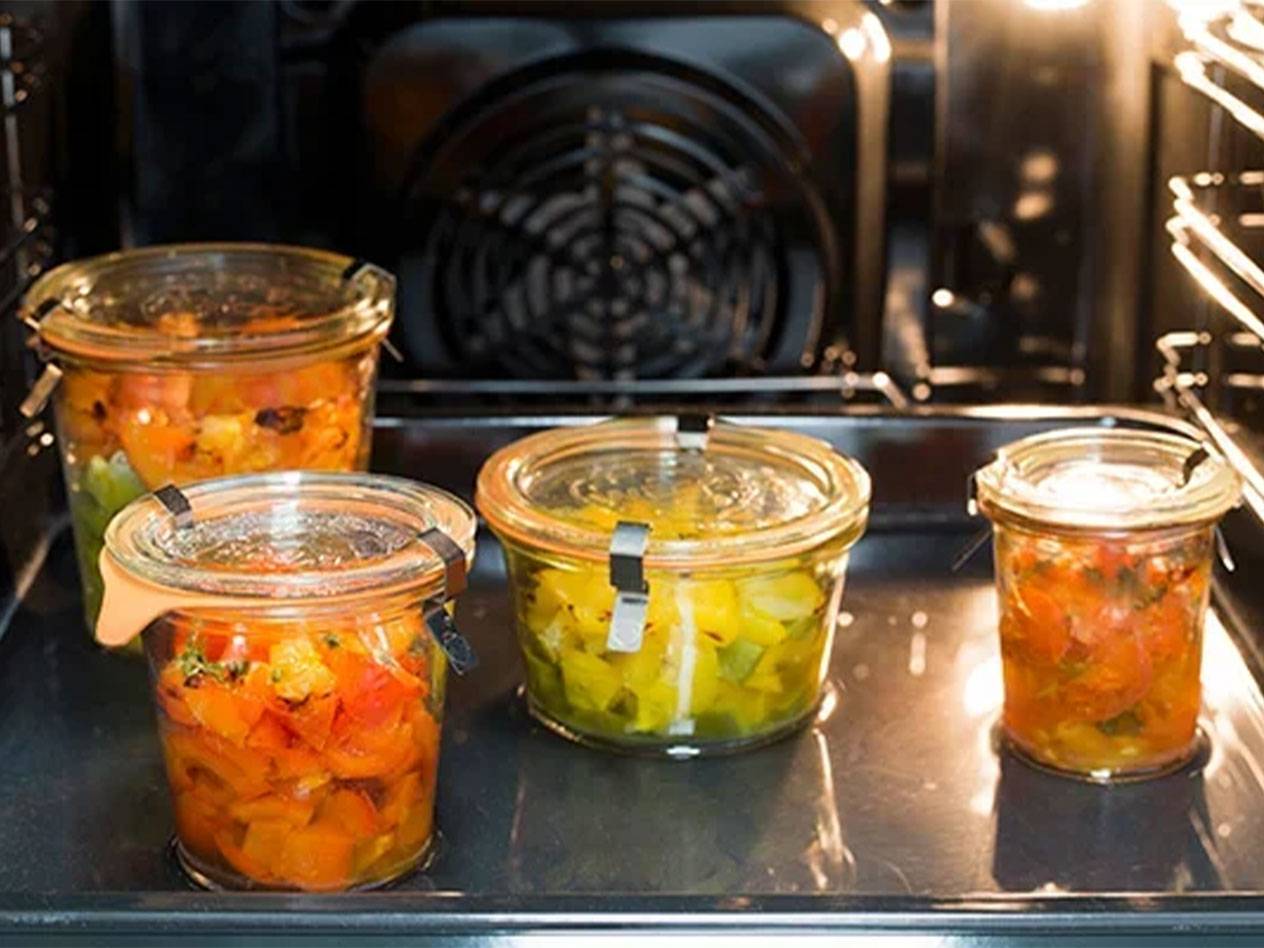
Now the actual preserving begins. Place the sealed jars in the drip pans and fill with 2 to 3 cm of cold water. Place the tray with the jars in the oven and set the temperature. With 175°C top and bottom heat, you can never go wrong. As soon as the water bath begins to boil, turn off the oven and let the jars stand for another 30 minutes.
Step 5: Cooling and storage
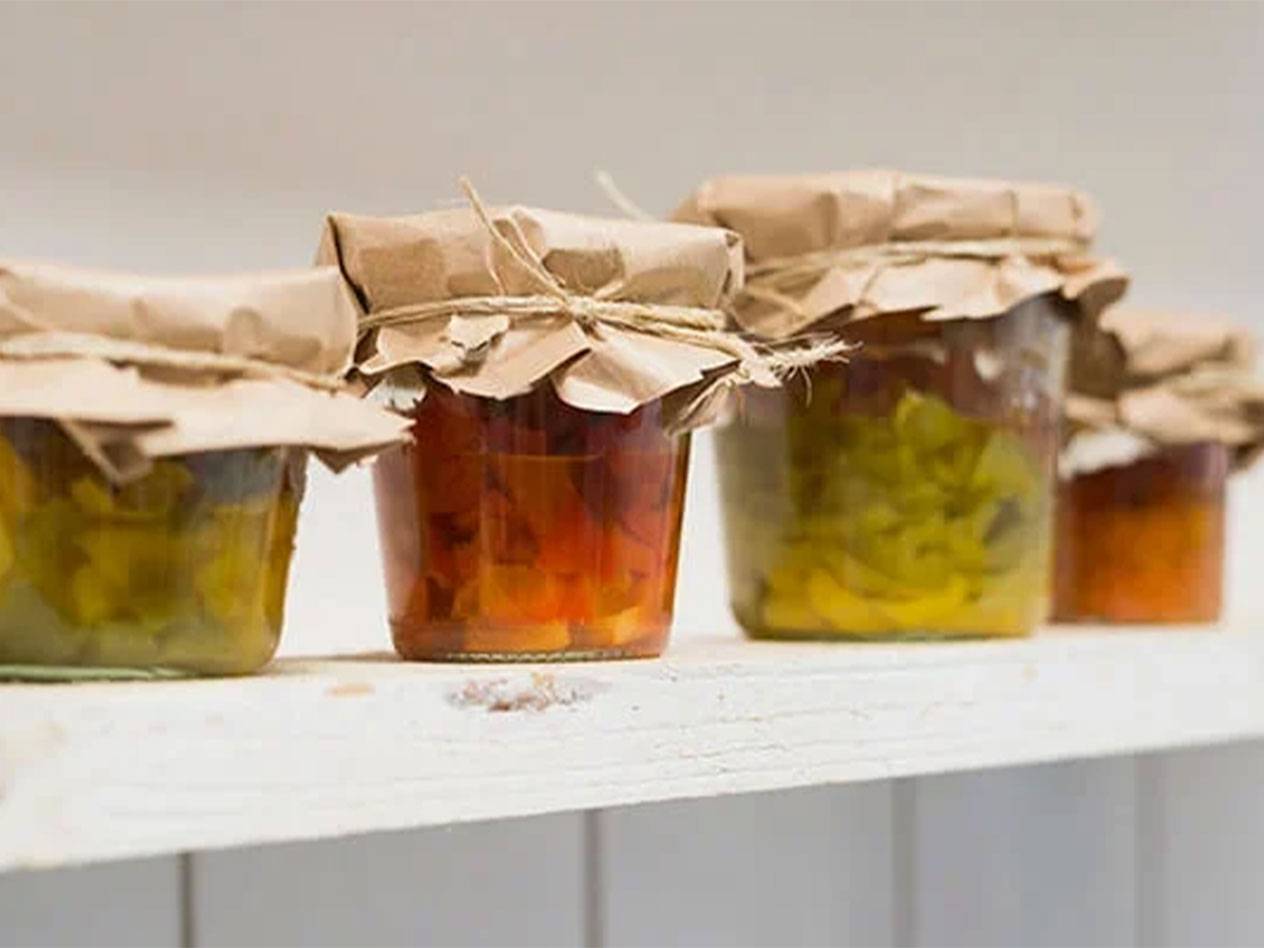
Then remove the jars from the oven and let them cool. Check if the jars are really airtight: For jars with flip-top lids, release the clamps and lift them up by the lid. When preserving successfully, the lid should remain firmly in place. In jars with metal screw lids, you can tell the vacuum is there because the lid is slightly pulled inwards. Once everything is secure, you can label the jars and store them in a cool place away from direct sunlight.
What can I preserve in the oven?
There are no limits to creativity when preserving in the oven. Theoretically, anything that tastes good and requires a long-term storage can be preserved. However, some fruits and vegetables are particularly popular.
Fruit
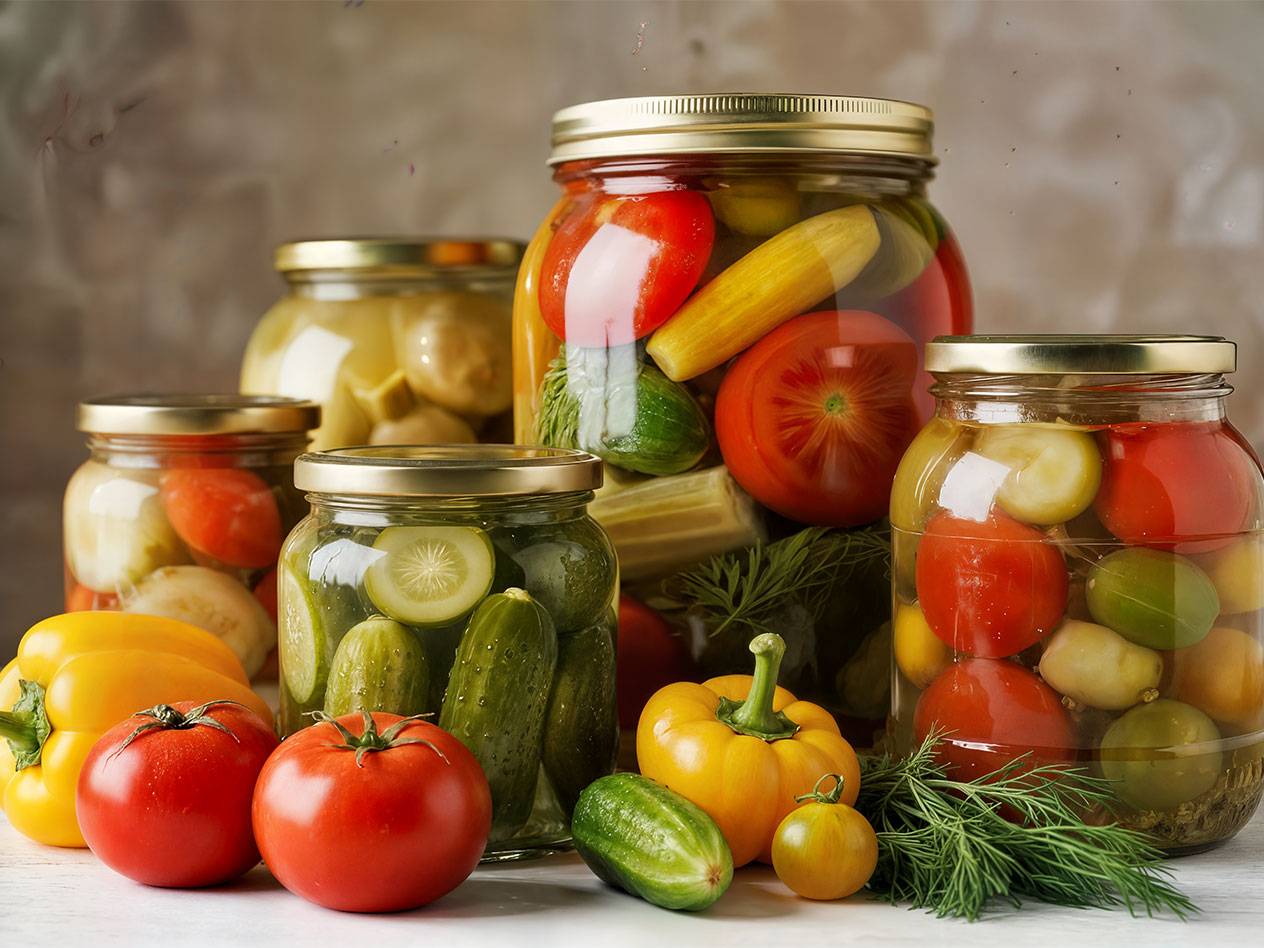
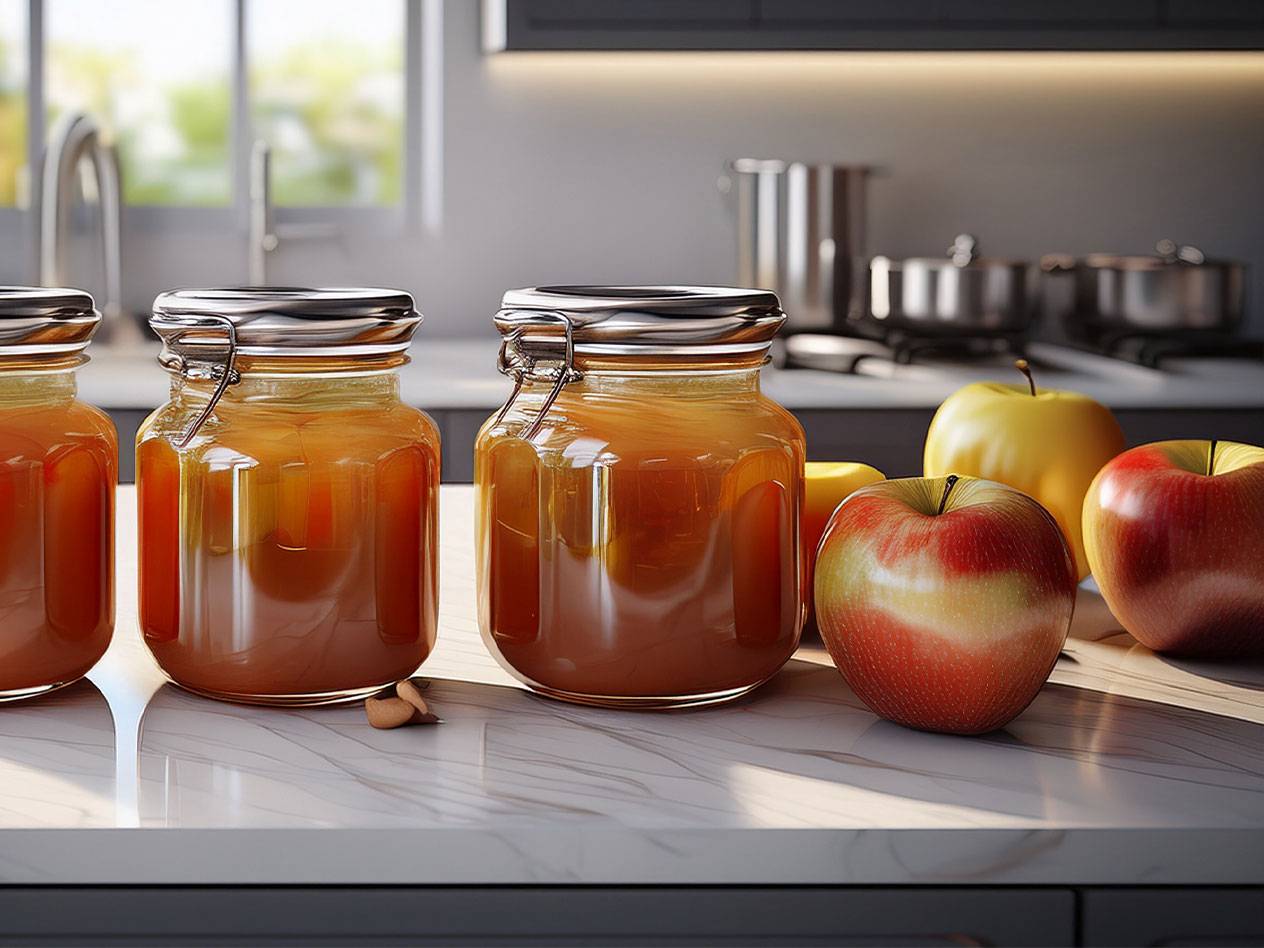
There are several options for preserving fruit: Either whole fruits can be preserved or pieces of fruit can be made into compote or puree. The fruit should definitely be ripe and free of any mushy spots to achieve a good result. Sugar syrup, wine or fruit juice are used as liquid. Depending on your taste, you can also use lemon juice or spices such as cinnamon.
Vegetables
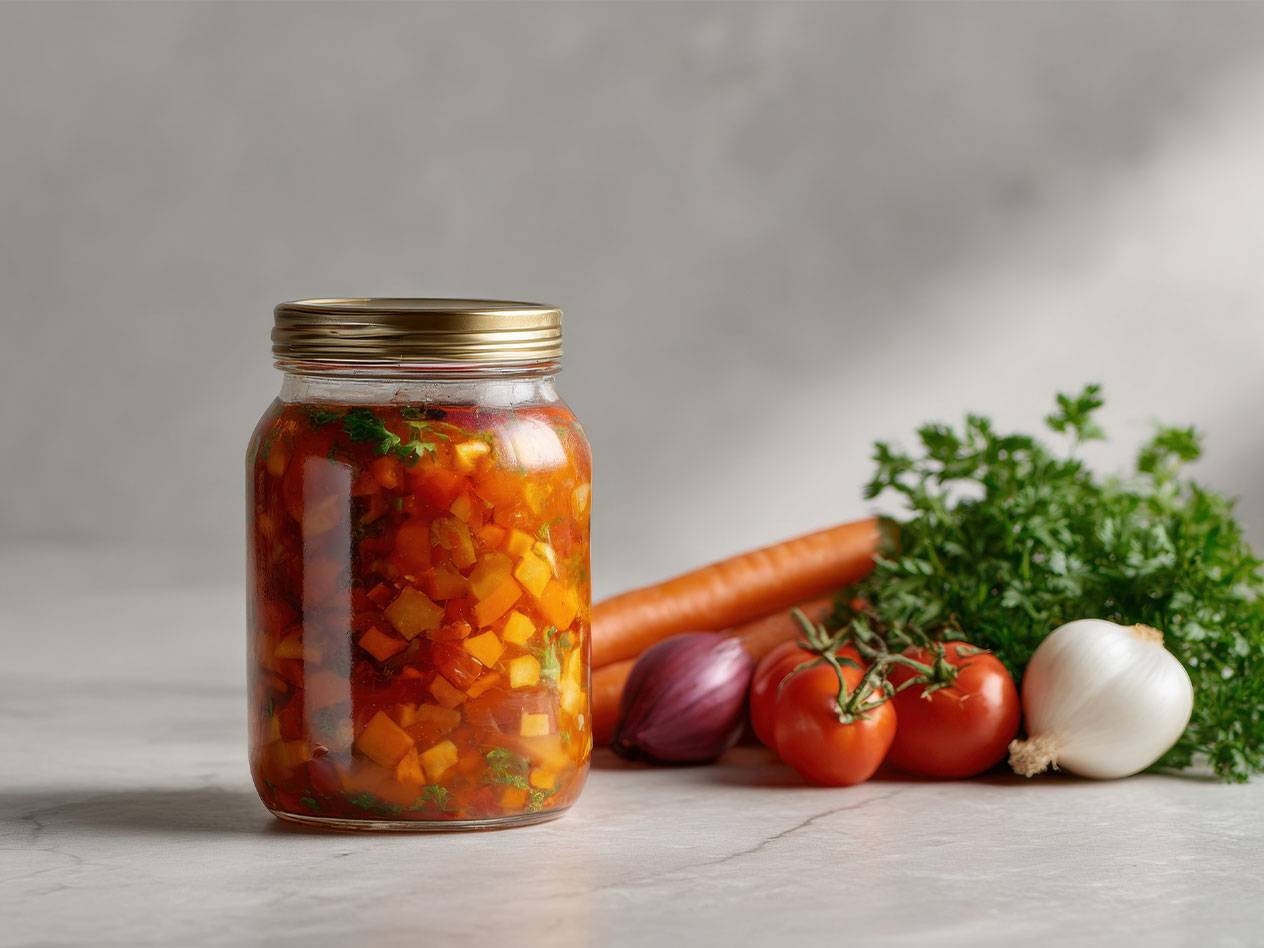
Any vegetables can also be preserved. If you want, you can blanch the vegetables beforehand, but generally any variety can also be cooked raw. Broth, clean water, a little vinegar, and spices can be used to season the vegetables.
Particularly suitable for preserving include
Fruit | Vegetables | Other |
|---|---|---|
Apples, pears, strawberries, cherries, peaches, plums | beans, cucumbers, cabbage, pumpkin, carrots, tomatoes, zucchini | broth, meat, cakes, jam, juices, lard, sauces, sausage |
Alternatives to preserving in the oven
There are numerous alternatives to preserving in the oven. Traditionally, it is often cooked in a pot on the stove. The canning jars can also be heated quickly and easily in a steamer or pressure cooker. If you have less patience, you can use the twist-off jars: In this case the filling is not cold but hot, the jars are closed and turned upside down for a few minutes. The jars are then turned over again and allowed to cool. For true canning fans, a special canning machine might also be an option.