Proper organization of space in the fridge: Here's how it works
To keep the food fresh, one rule is especially useful: Proper organization of space in the fridge! What belongs in which compartment and how can you cleverly organize your fresh food supplies? Here's your guide to longer shelf life, lower energy consumption, and maximum enjoyment.
Proper organization of space in the fridge—why is this important?
Each area of your fridge has a different climate. Depending on the model, there are zones from 2 to 14 °C. This makes sense, because some foods prefer colder temperatures than others. If every product finds its proper place, the optimal storage in the fridge ensures that food:- stay fresh longer
- retain their aroma
- not get mouldy or dry out
- absorbs fewer foreign odours
- not spoil each other (e.g., through the ripening gases)
Organizing space in the fridge with a system
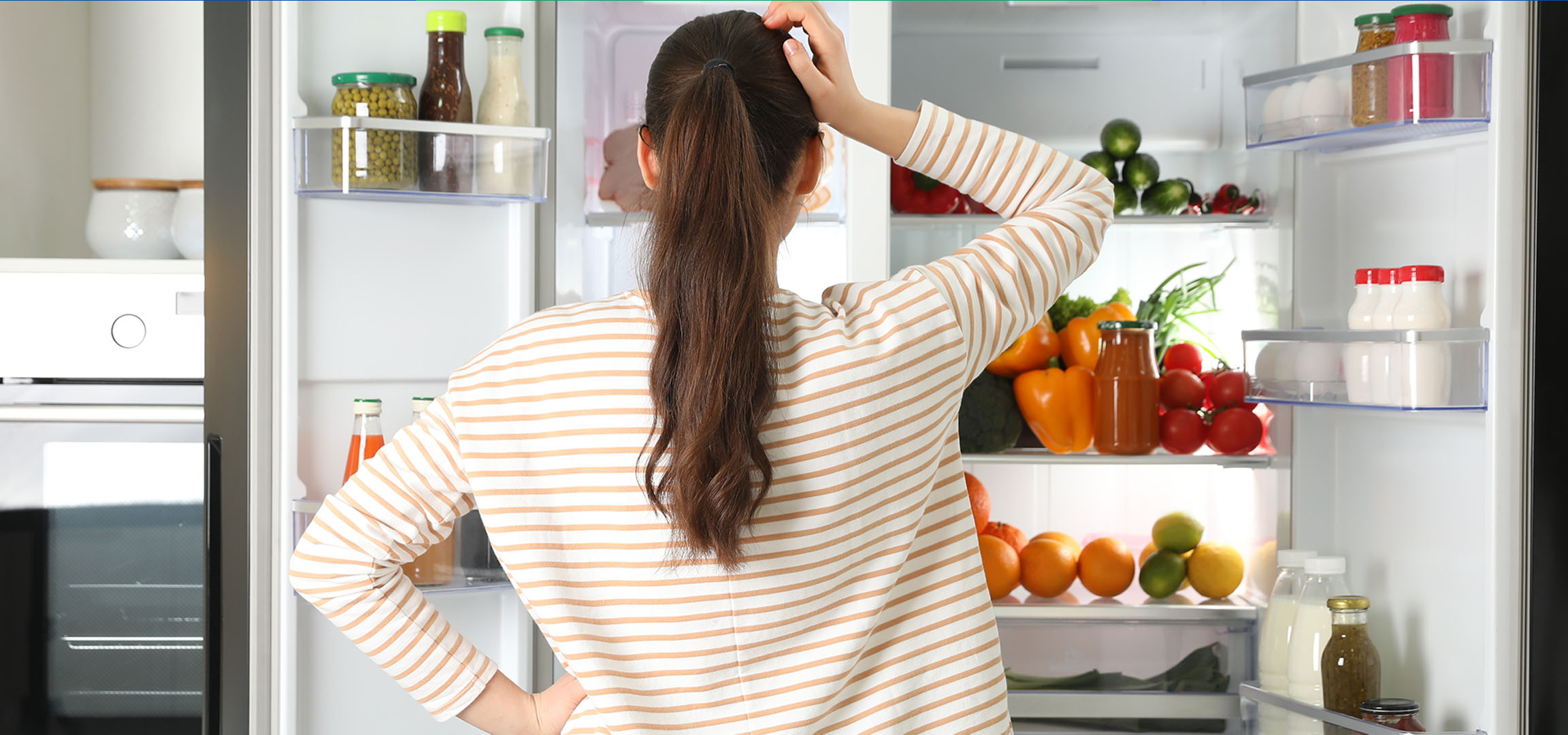
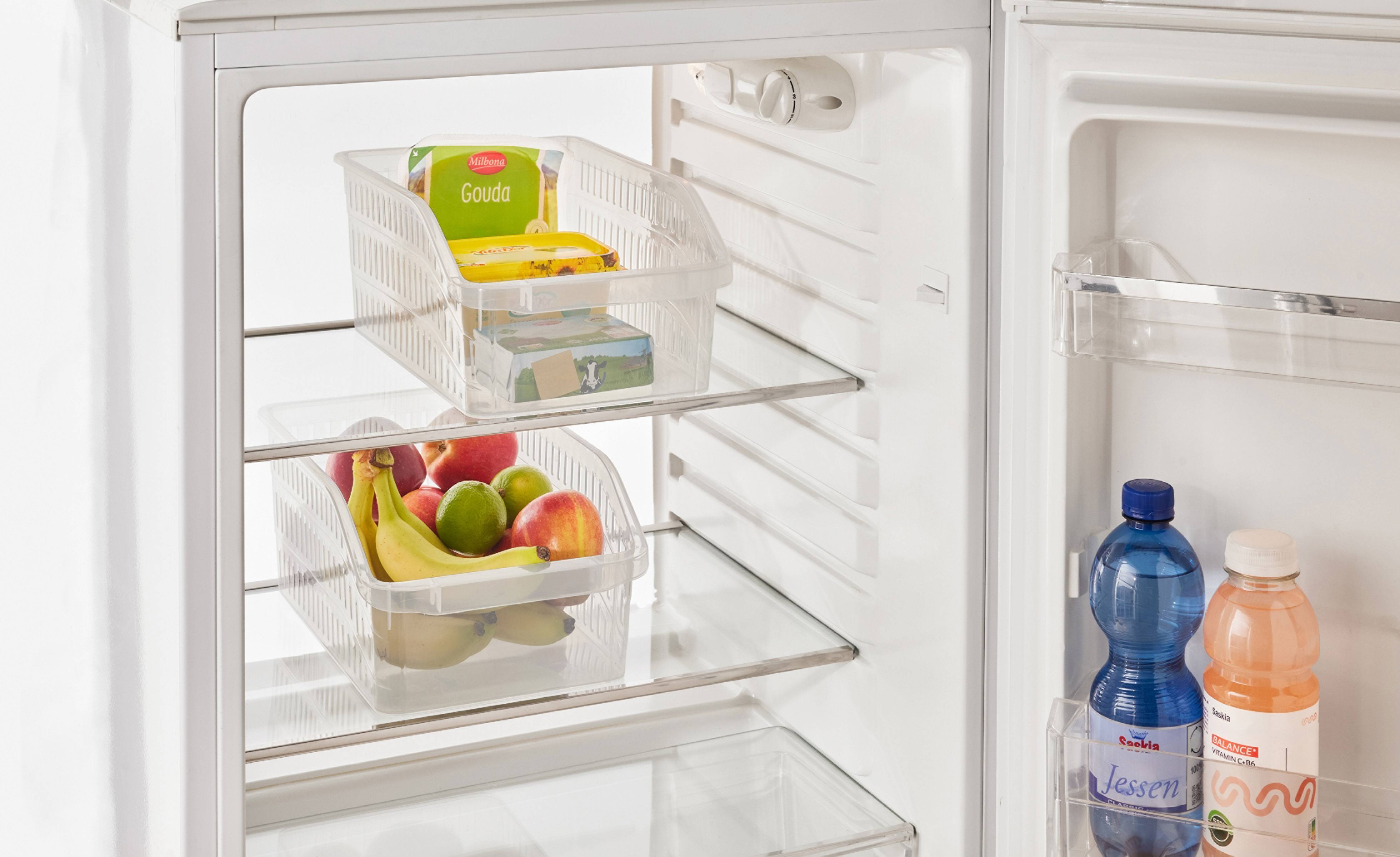
A fridge consists of a certain number of shelves, vegetable compartments at the bottom, and storage options in the fridge door. Each of these zones is intended for different foods:
- Lower shelf: This is the coldest spot, with an average temperature of 5 °C—especially if the shelf is made of glass. This is the ideal place for the perishable products, from fish to meat.
- Middle shelf (shelves): The golden mean in terms of fridge and temperature is ideal for sensitive dairy products and eggs. The temperature here is usually around 7 °C.
- Top shelf (shelves): At temperatures of up to 10 °C, the originally packaged cheese products, jam, sauces or leftovers can be stored.
- Vegetable storage compartment: At spring-like temperatures of up to 14 °C, fruits and vegetables stay crisp for longer. However, this only applies to those fresh products that are suitable for storage in the fridge! You can find more information in the guide Fruit and vegetable types for storage in the fridge.
- Fridge door: In terms of temperature, the fridge door works similarly to the shelves—it gets warmer from bottom to top. Simply follow the instructions: place eggs in the egg compartment at the top, drinks in the beverage compartment, and use the middle for the opened products that you will use up quickly.
Tips for the fridge space organization
If you organize your fridge space cleverly, you can save money all around. The best way is with these tips:
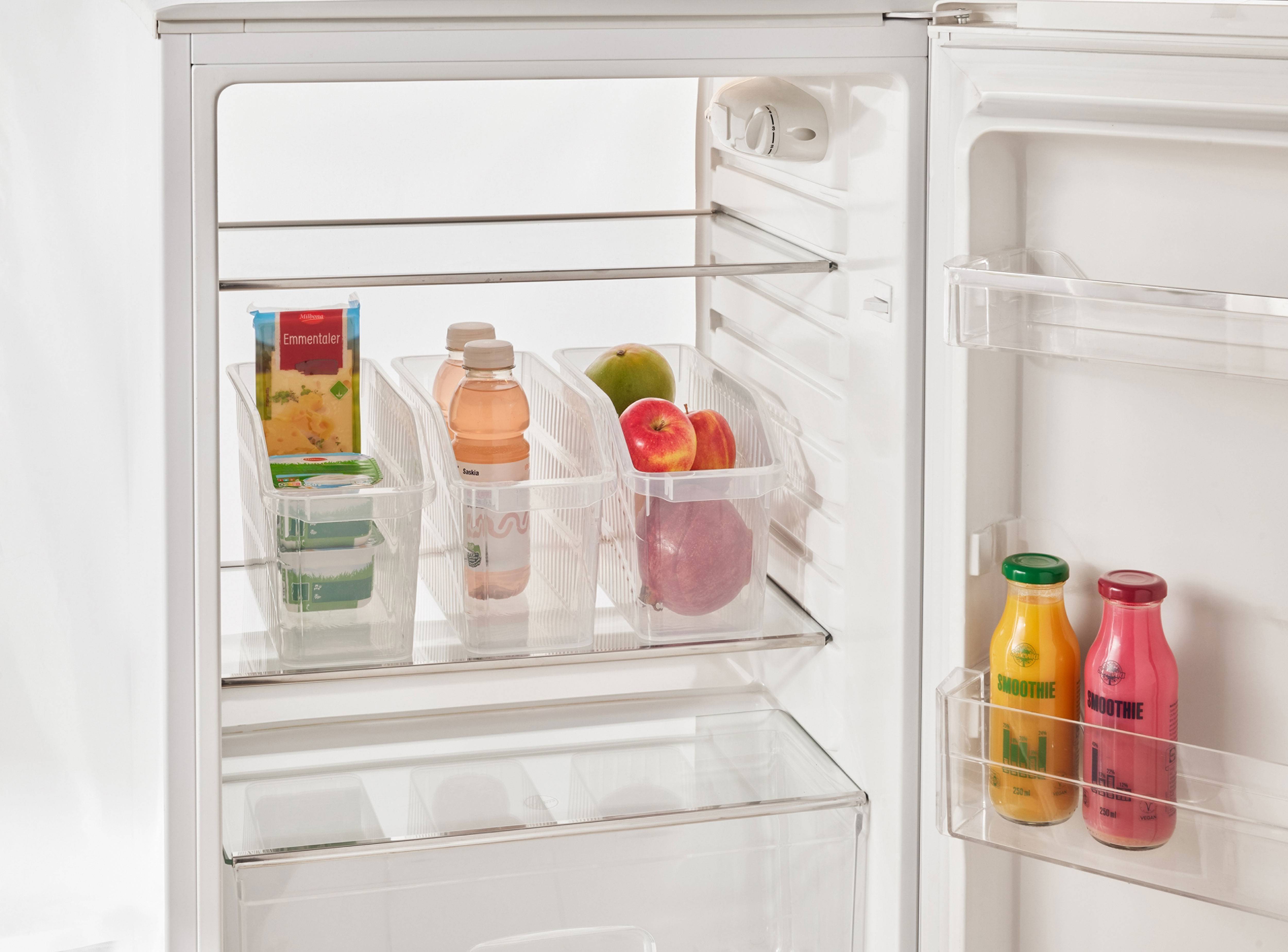
- Sort food by expiration date: Place fresh products at the back, older ones at the front—this reduces the likelihood of forgetting something in the fridge.
- Keep your favourites always within easy reach: The longer the fridge door remains open, the more electricity the appliance consumes. Things you need constantly should always be in the pole position—even if the temperature there isn't quite optimal.
- Do not put hot food in the fridge: Contrary to previous statements, the fridge will not break. But it needs more energy to maintain the temperature.
- An empty fridge means higher energy consumption: In a full fridge, the products help each other to cool down. Therefore, from an energy perspective, one large weekly shopping trip is a better idea than daily shopping.
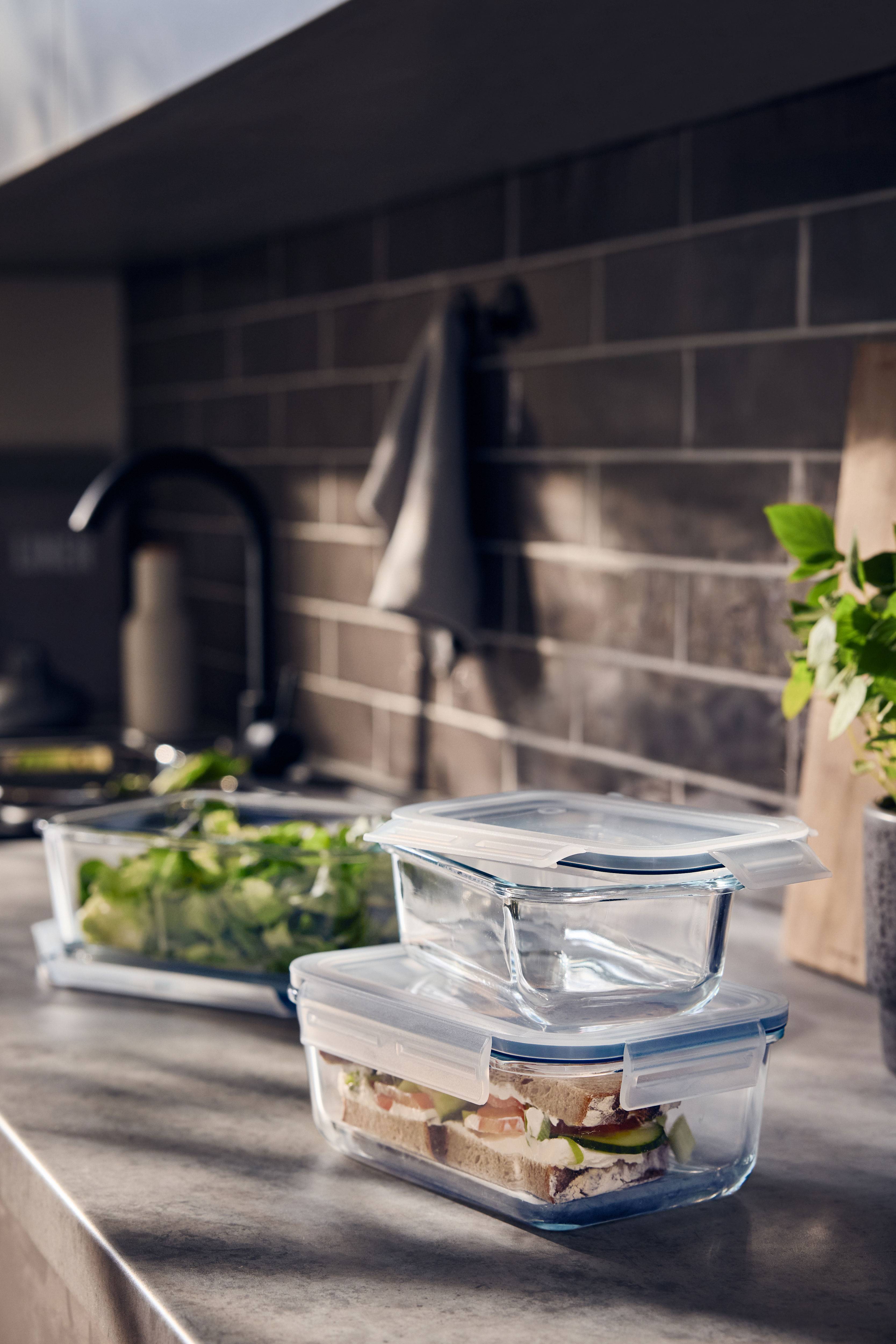
- Keep a clear overview: Transfer the opened canned goods, leftovers, etc. into clear glass storage containers. They stack perfectly and you can see at a glance what's still there—and what's not.
Extra tip: The best before date indicated is a recommendation. Most foods remain edible well beyond that point. Use your nose, eyes, and sense of taste to test whether you can still eat a product. The expiration date, however, is binding. Expired? Get rid of it!