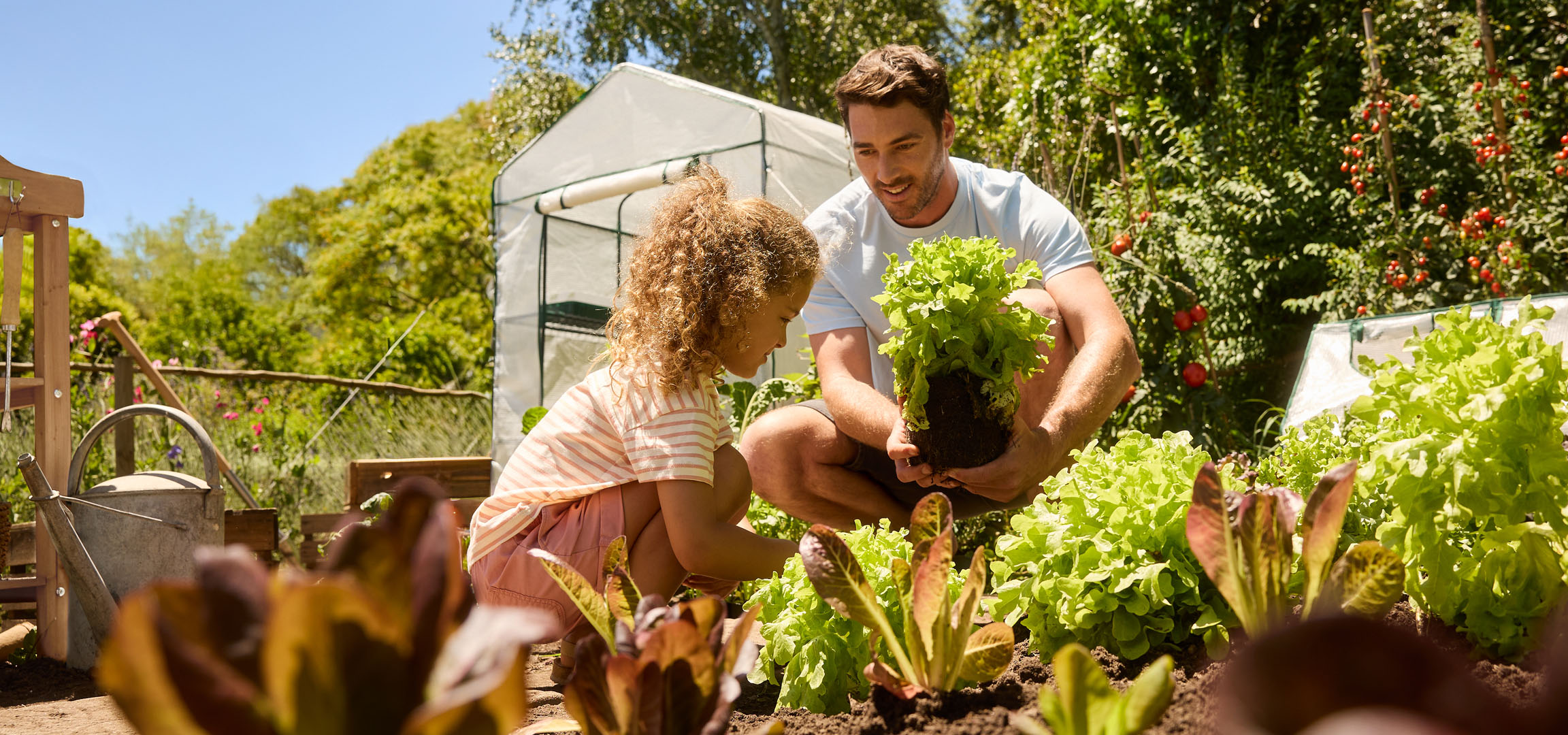
Plant cultivation: How to successfully harvest fruit & vegetables
Everything has its time—especially when it comes to sowing, growing and harvesting. With our plant cultivation tips, you can turn your garden into a gourmet paradise.
Planting fruits and vegetables: Why the timing is important
Sowing in spring, ripening in summer, harvesting in autumn—that much is clear. But when it comes to the perfect harvest, you need to be a little more precise. Every plant has a specific rhythm. Four phases are crucial:
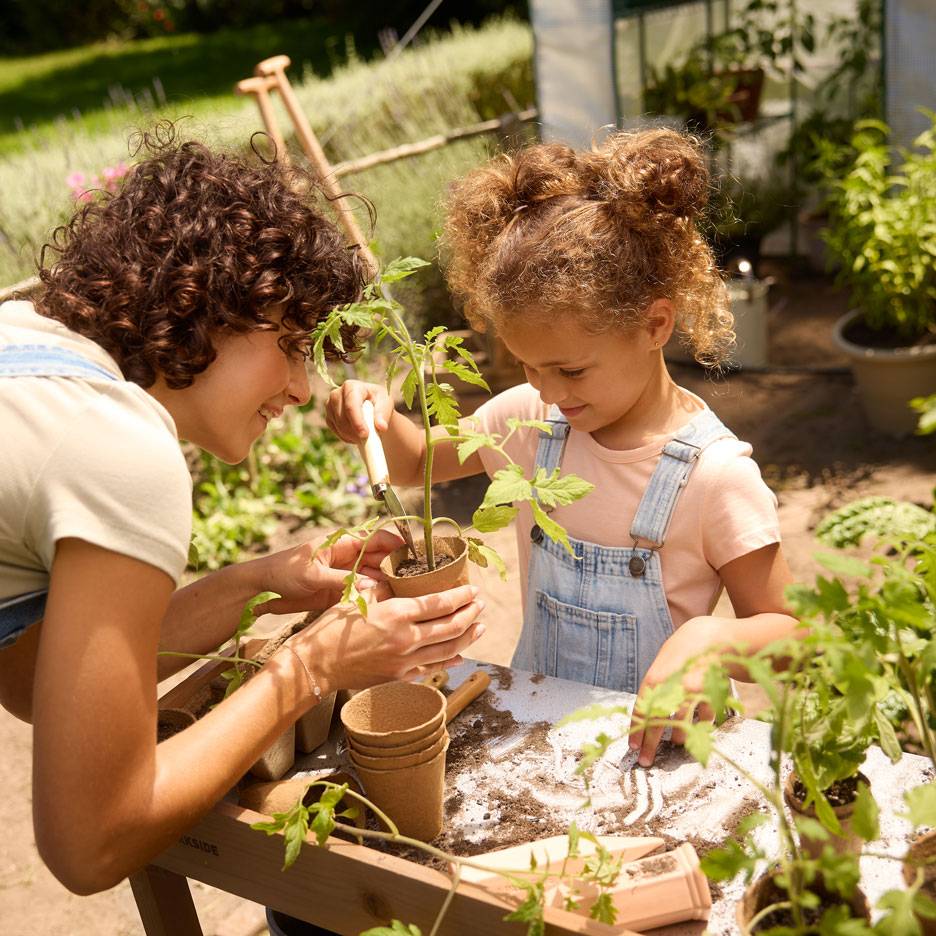
1. Sowing: The seedlings of most plant varieties must not be exposed to frost under any circumstances. However, some species are unaffected by cold weather during sowing. The sowing is day 0 of the plant life.
2. Cultivation: Anyone who wants to give their outdoor plants the best possible start can grow them in a pot before planting them outside—for example in a greenhouse or on the windowsill. The sprouts usually appear one to two weeks after sowing. If you want to plant cucumbers or tomatoes, starting them from seed is absolutely essential. They can be taken outside only in ideal weather and when the plants are strong enough.
3. Growth: Whether cultivated from seed or sown directly: The garden bed is where you'll find out if your green thumb has power. From watering to fertilising, from pruning to the other care measures, every plant needs the right attention at the ideal time.
4. Harvest: You've worked towards this—now it's time to reap the rewards! But slow down: One red fruit does not make a plant ripe. The optimal harvest time not only determines the taste, but often also whether your pantry will be lavishly filled again next year.
Our tip: Your expert eye is important! Take a look at your garden and your plants throughout the season. Not every ripening cycle proceeds strictly according to the rules.
Plant cultivation tips
If you want to grow your plants from scratch, you need to create ideal growing conditions. Four factors are particularly important:
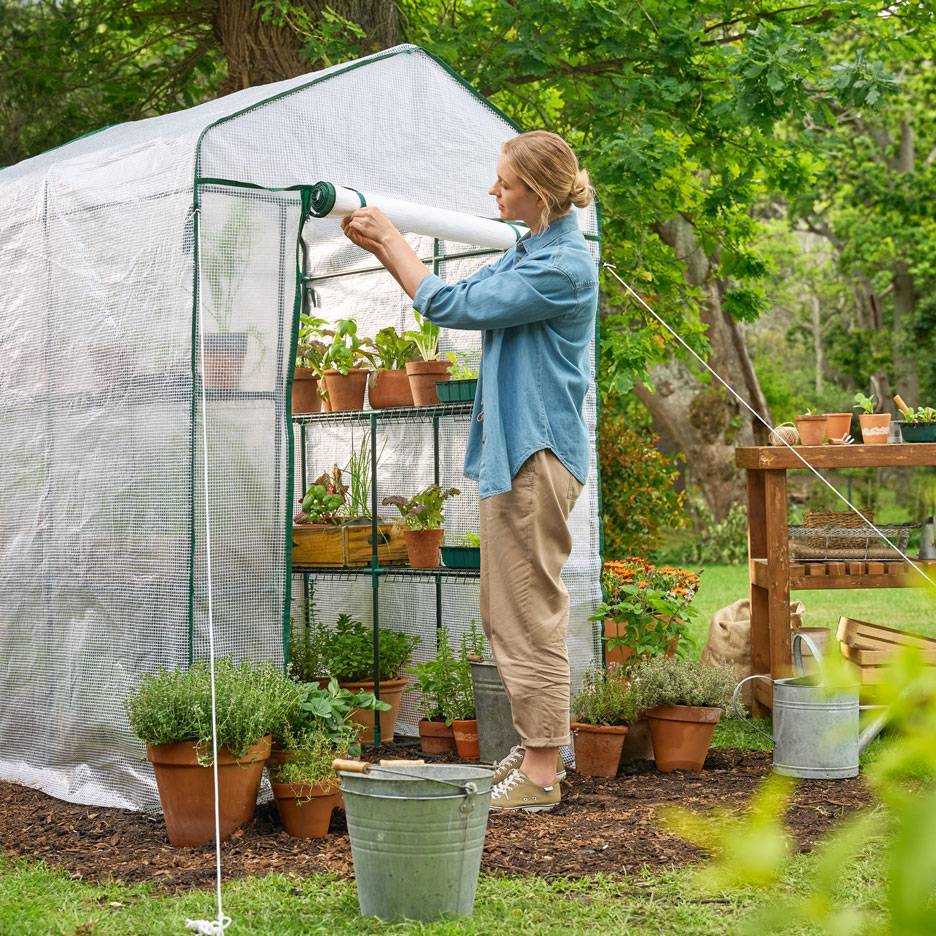
1. The right soil: Special potting soil contain a limited amount of nutrients, providing just enough initial boost for germination and root formation. This makes it easier for the plant to strengthen its most important components—namely the roots.
2. The proper watering: After sowing, the soil must be kept consistently moist, but not wet. It's best to use a spray bottle and cover the seedlings with a film. Regular ventilation prevents mould.
3. The right light: The more light your plants receive, the better. In the still dark spring, you can use daylight or UV lamps to help, but a sunny spot facing south is also a good idea.
4. The correct temperature: During the germination period, warmth is required, it is necessary to maintain a constant temperature above 20 degrees Celsius. After that, it should get a little (!) cooler. It's best to take a thermometer and find the right spot in the house or greenhouse.
Extra tip: Record the sowing dates, etc. This makes it easier to calculate when it's time to transplant, whether your plants are making good progress, or whether you need to take further measures to help them grow.
Growing plants in a raised bed: What do you need to be aware of?
The raised beds have a slightly higher soil temperature than their conventional colleagues. Therefore, the information in a planting calendar for sowing and transplanting is often shifted forward by a few weeks. But the following is also true here: Be sure to wait for the last frost!
Plants according to the moon: Help or nonsense?
Planting according to the moon is not necessarily about the influence of the earth's satellite on the roots or plant parts. Those who follow the phases of the moon garden in accordance with the natural cycle of time—and therefore, according to the most ancient planting calendar in the universe. If you want to try it out more precisely, the following applies: Work on the above-ground parts of the plant during the waxing moon, and on the roots during the waning moon.