Filter coffee: How to get more out of every cup
No expensive equipment, no hassle, but plenty of enjoyment: filter coffee is back in trend! Want to brew the perfect cup of coffee with a manual filter or a coffee machine? Here you will find tips and tricks!
 AI
AIWhat is filter coffee?
In terms of preparation and taste, filter coffee is the opposite of espresso. This is because the coffee is not brewed quickly and under pressure, but slowly and through a filter. This delivers a unique aroma:
- Strong bitter substances and acids are filtered out
- Delicate notes ranging from fruit to floral can come to the fore
- The caffeine content per 100 ml is lower than in espresso or cold brew
For filter coffee to truly impress, several factors must work together. Baristas
refer to this, among other things, as the brew ratio – the ratio of coffee grounds to water. Equally important are the coffee beans, the grind size, and the water temperature. The guidelines are:
- Filter-roasted coffee beans
- Medium grind
- Water temperature of 96 °C
- Around 7g of coffee grounds per 100 ml of water
Did you know? Coffee and espresso beans fundamentally only differ in their roast level. The exact same coffee bean can be used for both espresso and filter coffee.
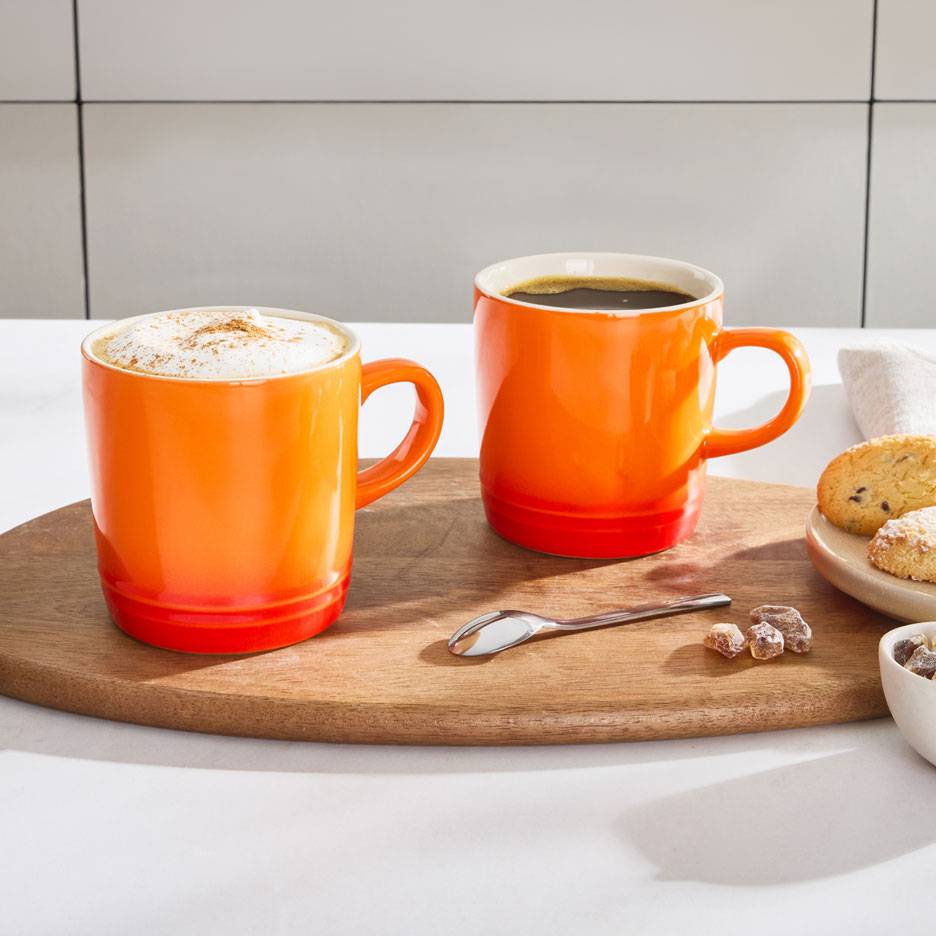
Coffee machine or manual pour-over filter: which is better?
There is no right or wrong when it comes to coffee equipment. Every established tool has its own advantages and disadvantages and is designed for different needs:
- A coffee machine is basically an automated pour-over filter. It can brew many cups of coffee at once and does most of the work for you. However, you always have to brew a minimum amount of coffee, and you are dependent on the machine for water temperature, water distribution and extraction.
- The manual pour-over filter gives you full control over all parameters of the coffee brewing process. That is why it is often used by baristas for premium coffee varieties. You can also brew a small amount of coffee, but it takes significantly longer for larger quantities. There is also more room for error than with a coffee machine.
Filter coffee from the coffee machine: tips for more aroma
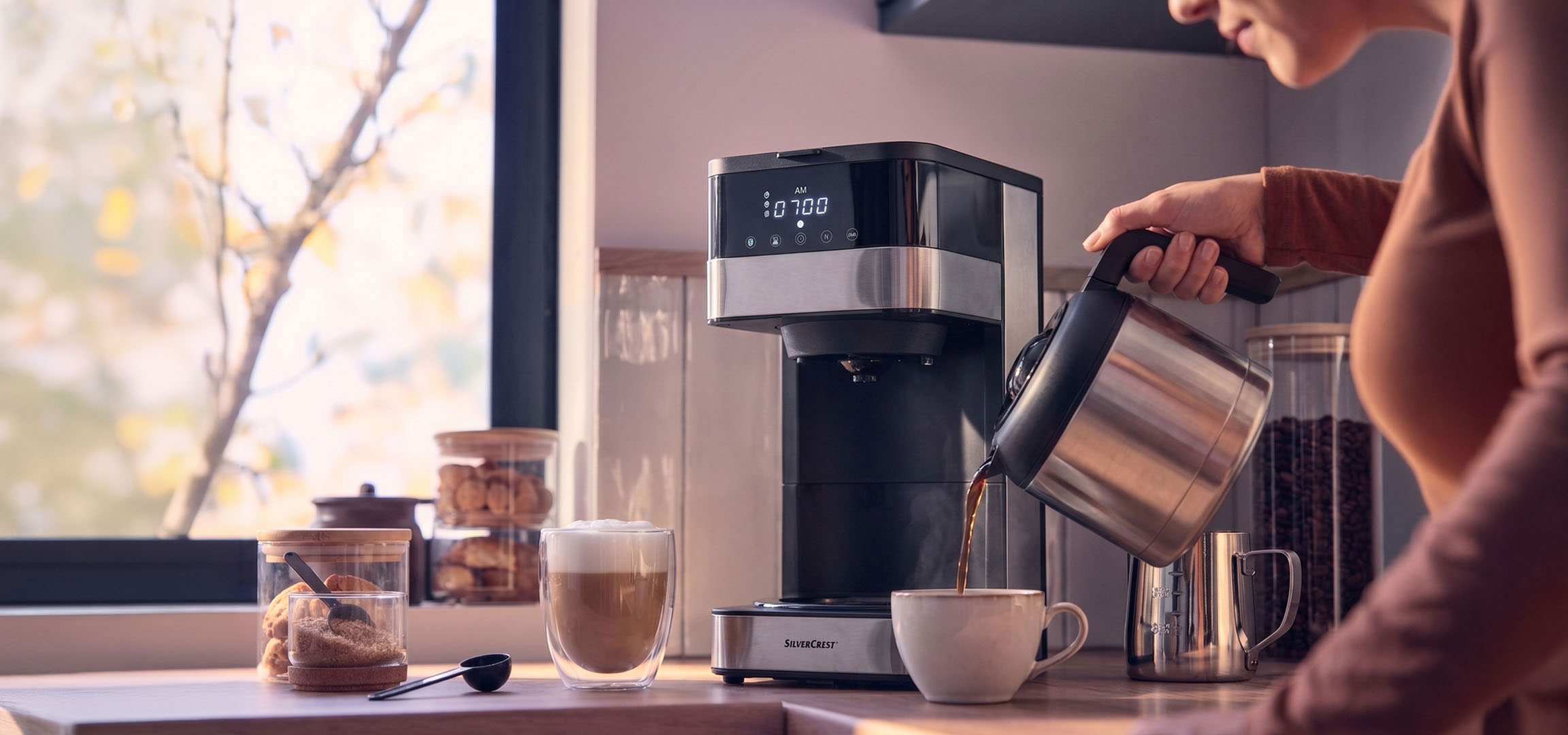
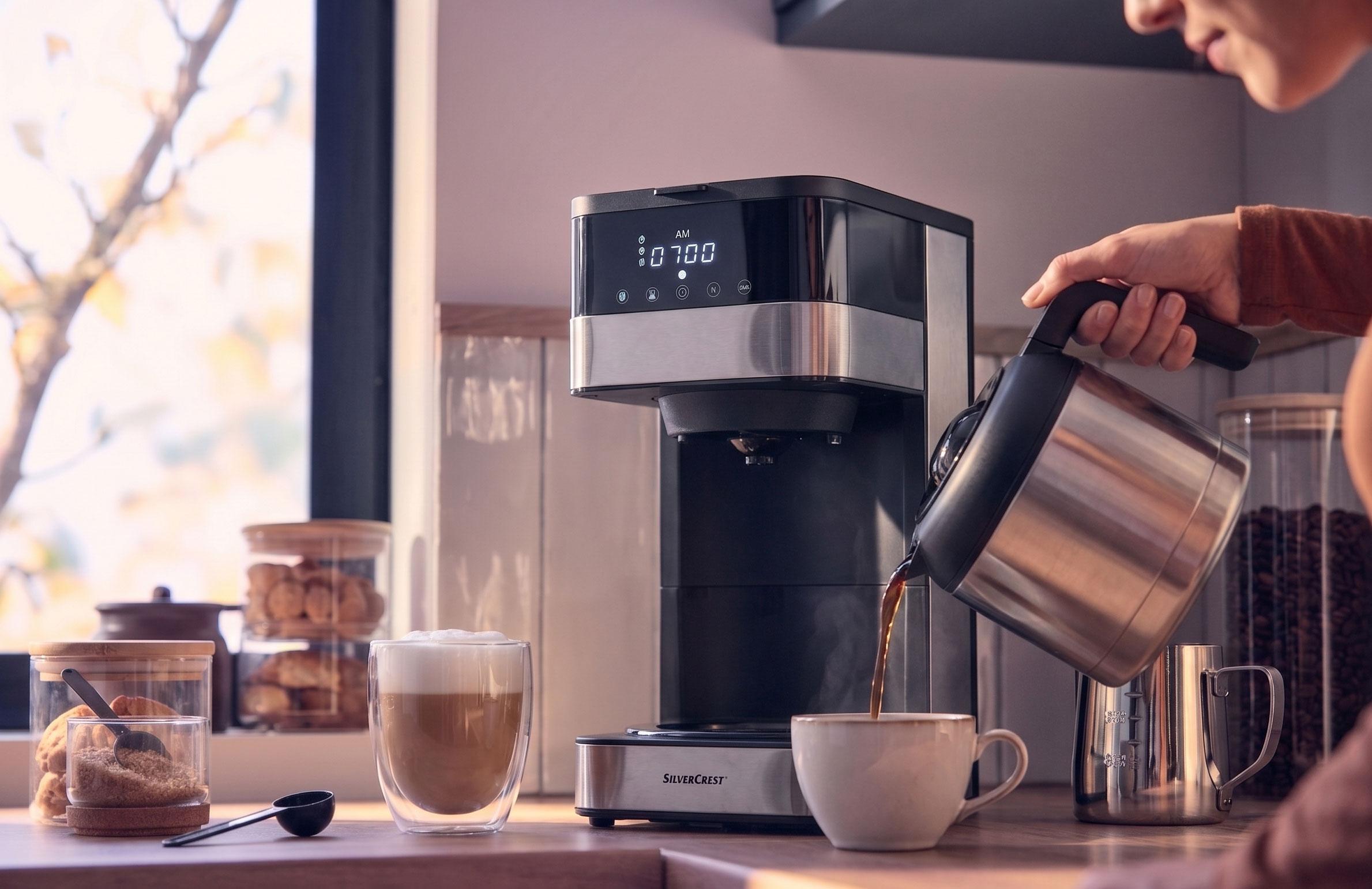
Coffee grounds in the filter, water in the tank, switch the machine on: filter coffee from the machine practically makes itself. But there are a few tips and tricks you can use to optimise the aroma and discover new worlds of flavour.
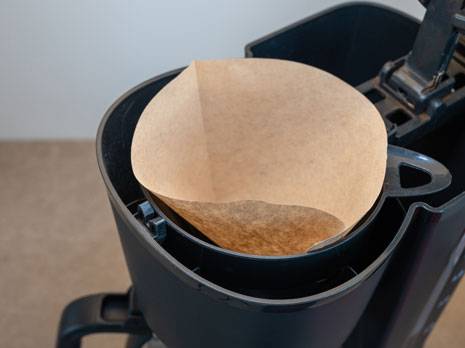 Tip 1: Prep the filter paper
Fold the filter paper along the seam and place it in the filter holder. Tip: Rinse the holder and filter with hot water first. This opens the pores of the paper so it absorbs less liquid, ensuring more rich aromas make it into your coffee pot.
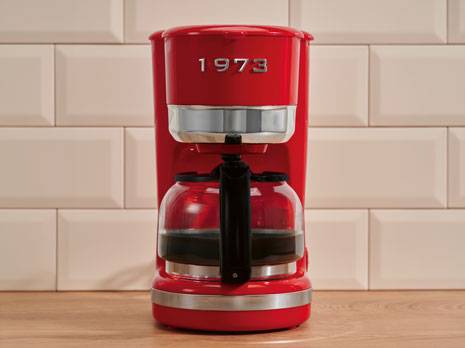 Tip 2: Preheat the coffee pot
If your coffee machine has a glass jug, preheat it with a little hot water. Just remember to pour it out before brewing. If your coffee machine has a thermal jug, you can skip this step.
Extra tip: Clean equipment ensures a better coffee taste. You can find the most important information in the "How to clean a thermos" guide.
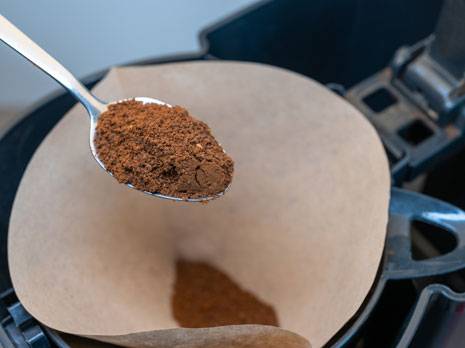
Barista tip: No coffee scoop at hand? A heaped tablespoon of ground coffee is equivalent to approximately 12g – the minimum amount for two cups. If you are dosing with a tablespoon, add "one for the machine" to the filter at the end. This will make up for any inaccuracies.
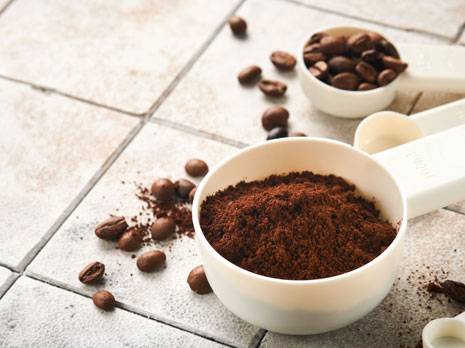 Tip 3: Measuring your ground coffee
A coffee scoop holds approx. 6–8g of ground coffee. A standard cup is usually 125ml. Dosage: one level scoop per cup. Tip: First brew the machine's minimum amount to test, then adjust the amount of coffee to suit your taste.
 Tip 4: Optimise your coffee brewing
Level the coffee grounds before starting for an even surface. Since water often hits the centre, extraction can be uneven. Tip: Open the filter holder briefly between the first two water pours and stir so that all grounds are moistened.
 Tip 5: Use freshly ground coffee
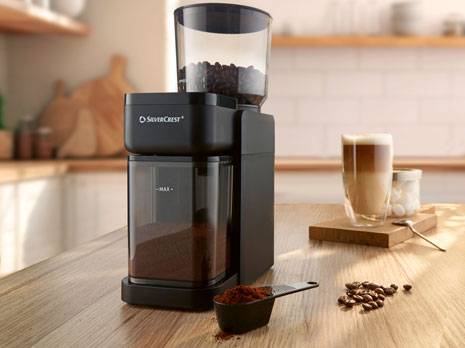
Coffee quickly loses its aroma after grinding. Freshly ground, it tastes significantly better. Even a budget burr grinder—conical or flat (not a blade grinder!)—makes a huge difference. Find your ideal grind size in small steps, starting in the middle.
Freshness tip: Coffee tastes best shortly after roasting. If there is no roasting date on your bag of beans, simply count back one year from the best before date.