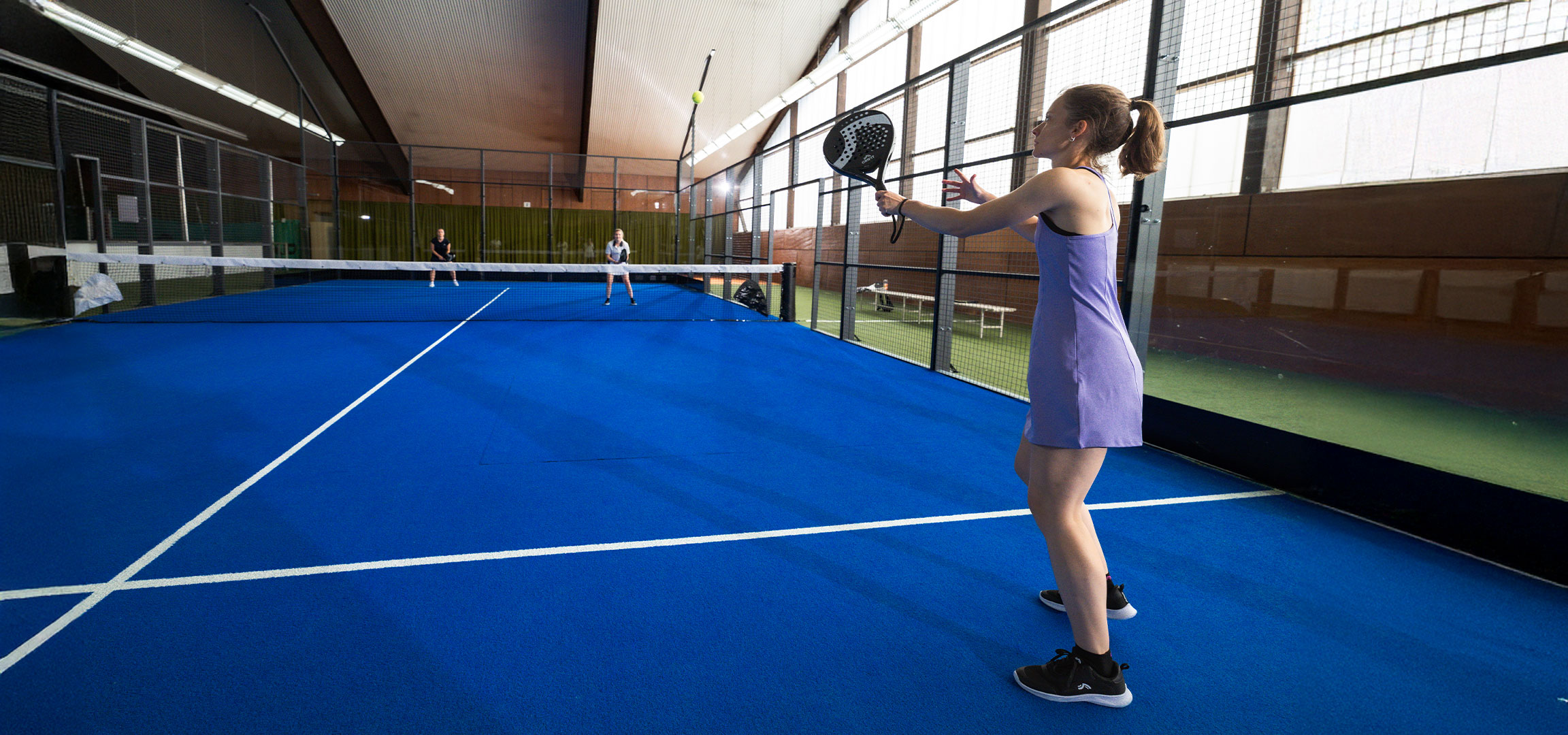
Padel basics for beginners: Rules, tips & preparation for the first match
Padel is quick to learn, fun, and truly suitable for everyone.That's precisely why padel is one of the fastest growing sports in Europe.If you haven't tried it yet, it's high time you did.This guide tells you everything you need to know as a beginner: from the rules to the equipment.Our padel expert Lana will also give you helpful tips for your first game
What exactly is padel?
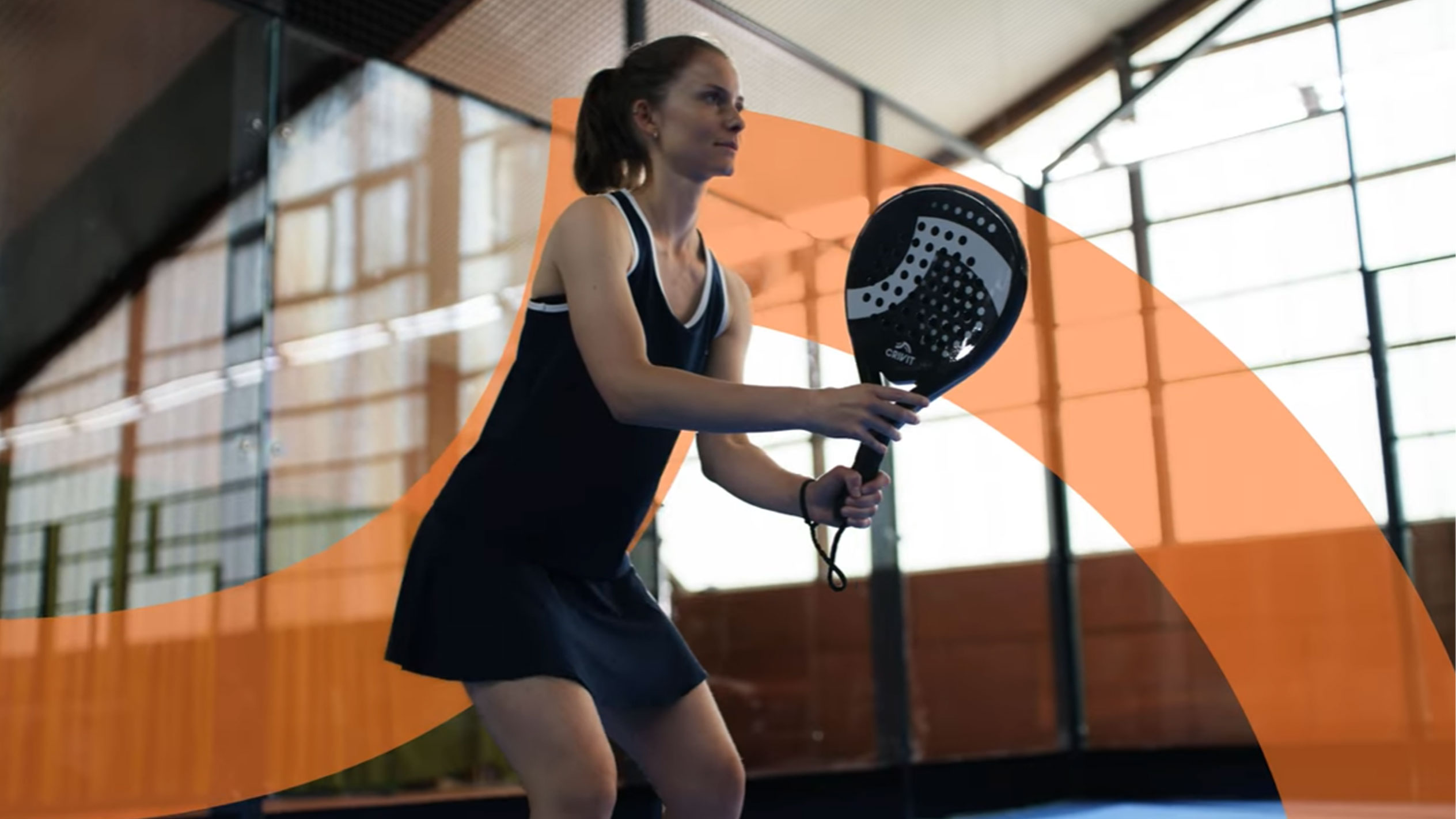
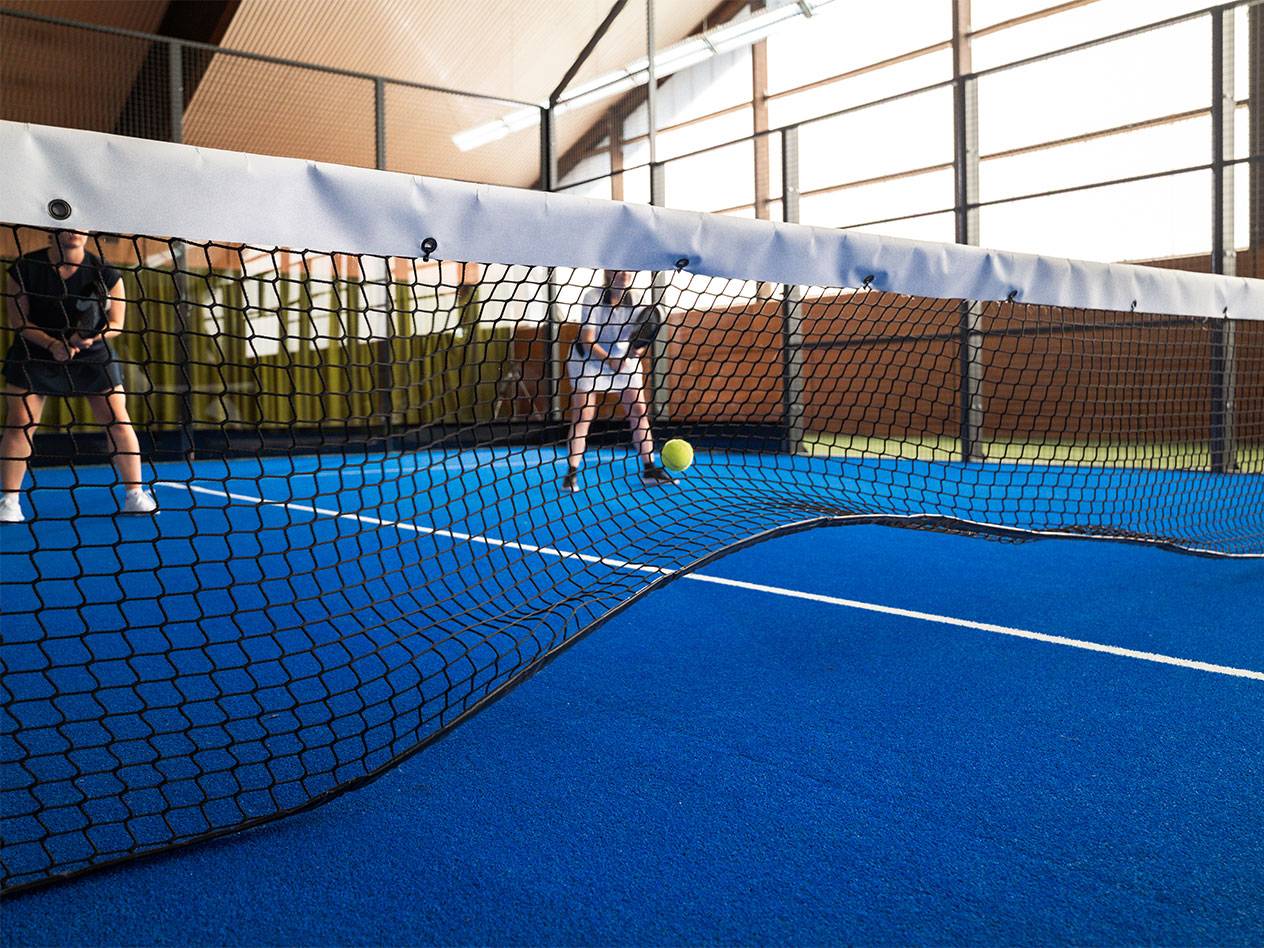
Padel is a mix of tennis and squash and is usually played in doubles on a smaller court surrounded by glass and net walls.The special feature:The walls can be included in the game and can thus be used either for returning the ball or for a clever defense.Tactics are just as crucial as the playing skill and technique.This creates a dynamic game that is exciting and beginner-friendly—or as Lana explains:“It's not about high performance, not about precision—it's about getting into a relaxed way and experiencing a new feeling of the game.”
The basic rules of padel—explained simply
To ensure you are not at a disadvantage on the court during your first match, here's an overview of the most important rules:
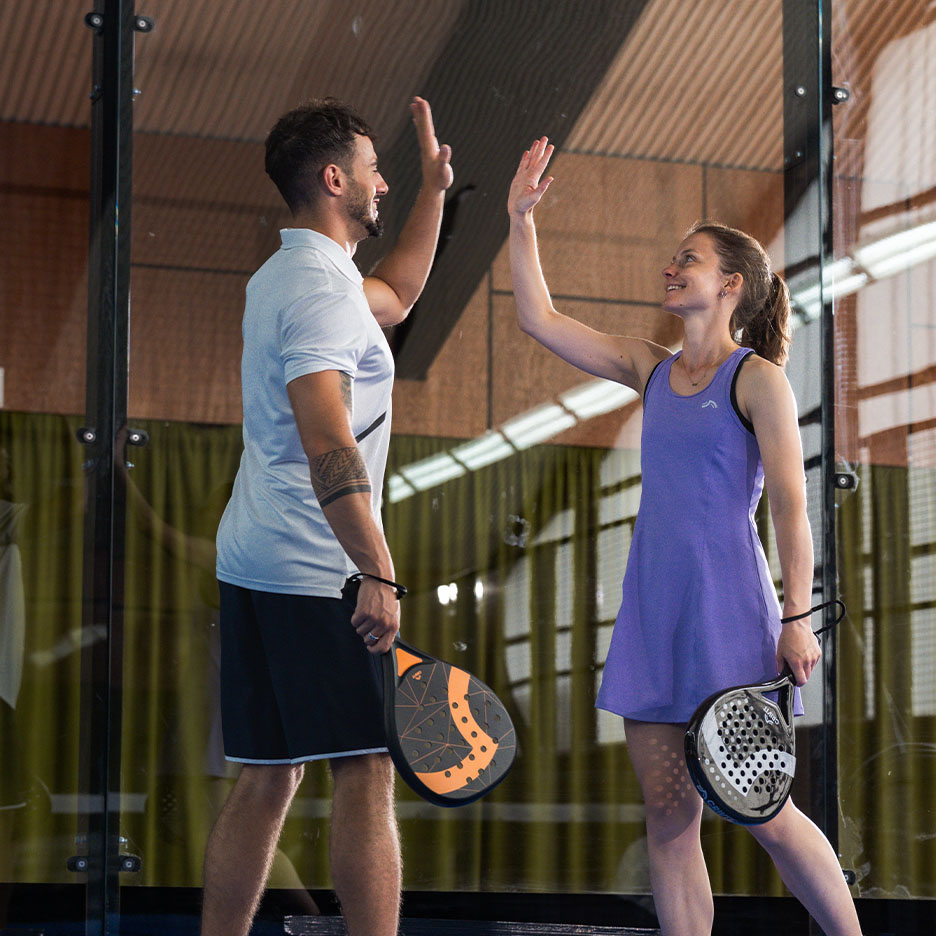
- Double's match:Padel is usually played as doubles, i.e. 2 against 2.
- Scorekeeping:Scoring is done in the same way as in tennis:15, 30, 40 and winning a game.Usually, 6 games are played.The winner must have a two-game lead.
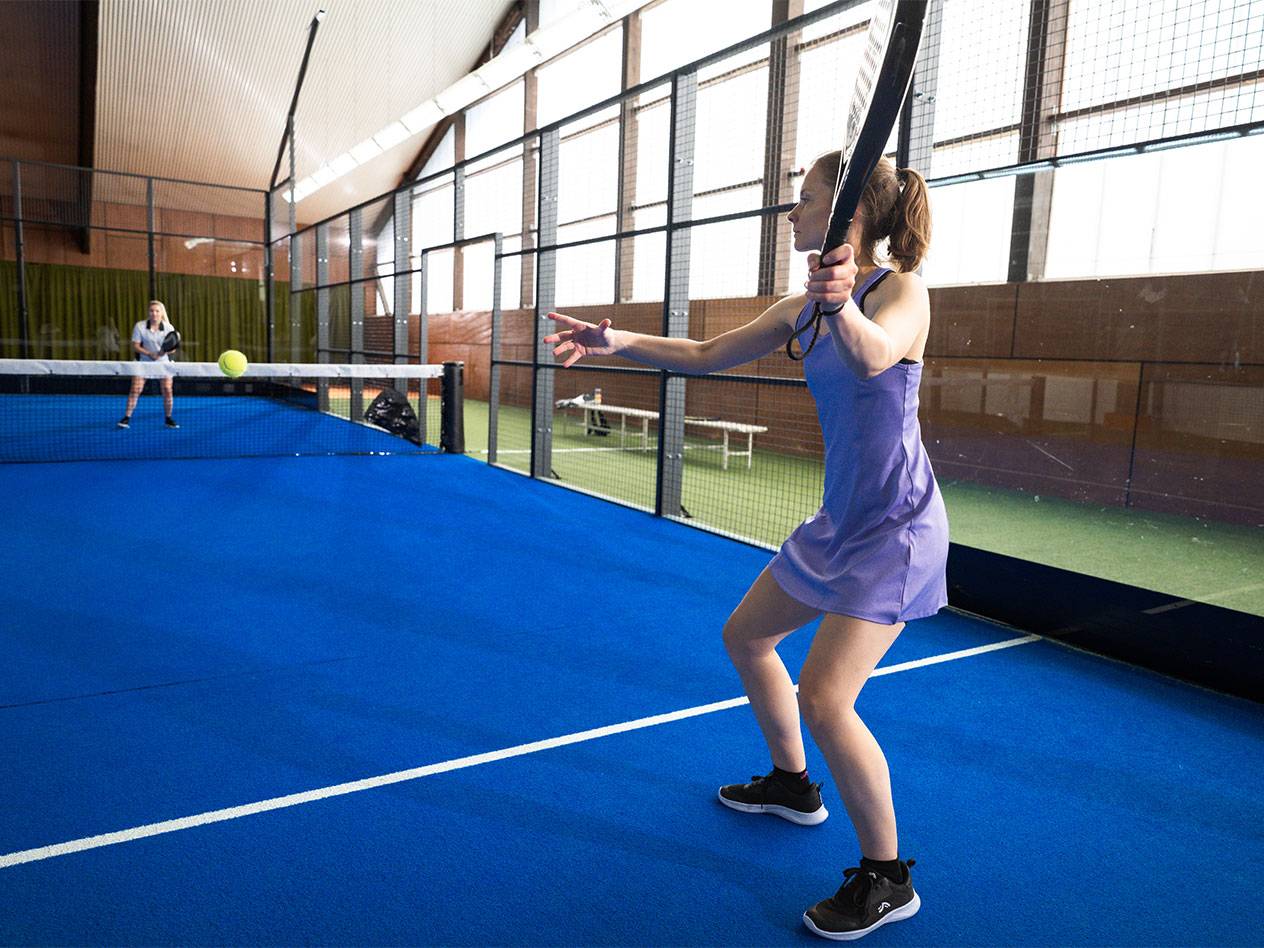
- Every match begins with a serve:The serve is made below the hip and diagonally into the opponent service court.The ball must bounce once after the serve before it hits the wall or goes out of bounds.
- With the wall:The walls can be used in the game—but they don't have to be.
The ball can therefore be played either directly across the floor or over the wall to the opponent.The back walls can also be used.
Padel technique: The basics for your first match
“Padel doesn’t begin with perfect shots—but with the first attempt,” says padel expert Lana, who is herself a national padel player.Nevertheless, knowing the basic technique is helpful.This way you'll make faster progress and have even more fun on the court.
This is how you grip your racket correctly—the Continental grip
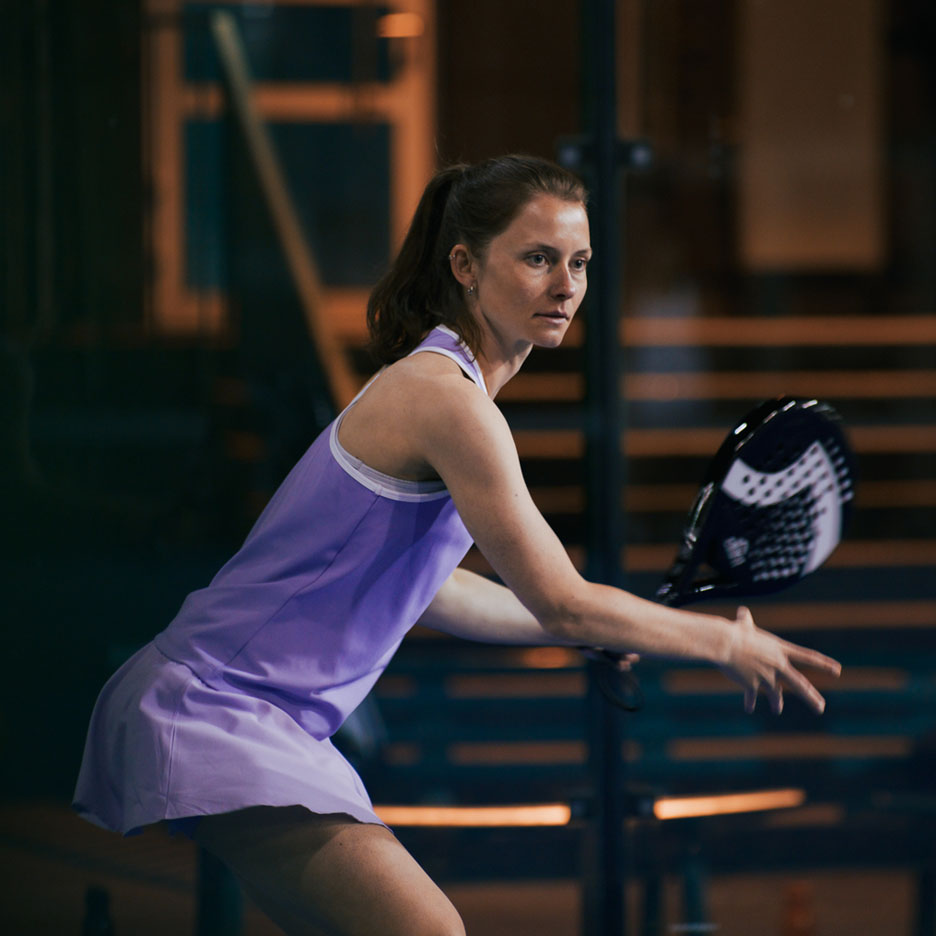
Many beginners grip the racket too tightly or incorrectly—this inhibits mobility and control.How to do it correctly:“Grasp your racket as if you were going to shake someone’s hand in a relaxed manner—loose, neutral and without firm pressure,” Lana explains.This is called Continental grip.Make sure you don't bend your wrist.She also advises:“Always position the racket slightly diagonally in front of your body—this ensures stability, good control and allows for quick reactions, even to unexpected balls.”
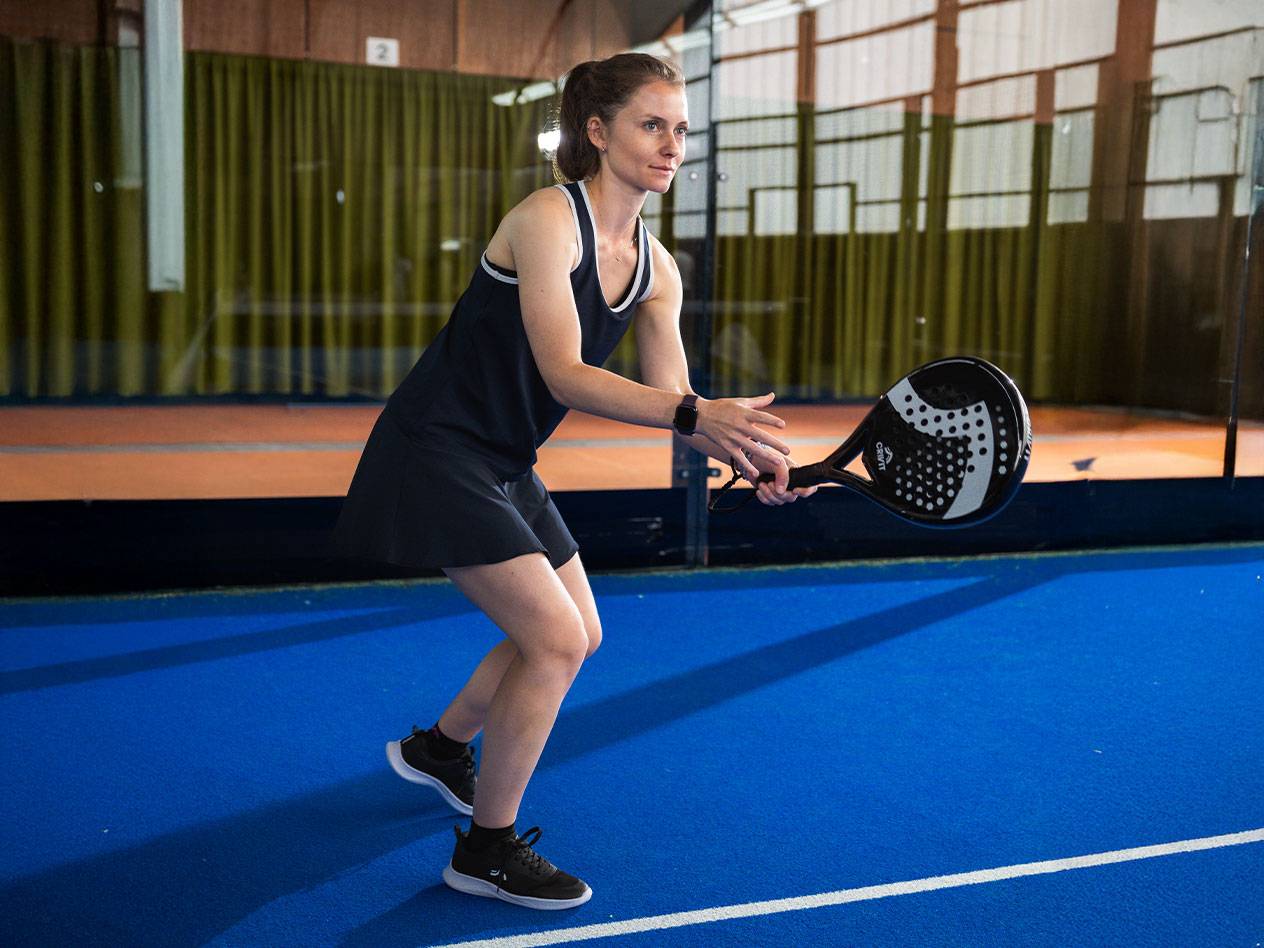
The lob is a tactically clever defensive move
“To maintain the upper hand in the game, you need not only fast feet, but also clever shots.” Lana knows this all too well from her games."A lob is a high, long shot that flies over the opponent and lands at the back of the field.It gives you time to reposition yourself and puts the opponent under pressure.” This way you can quickly regain control of the rally.
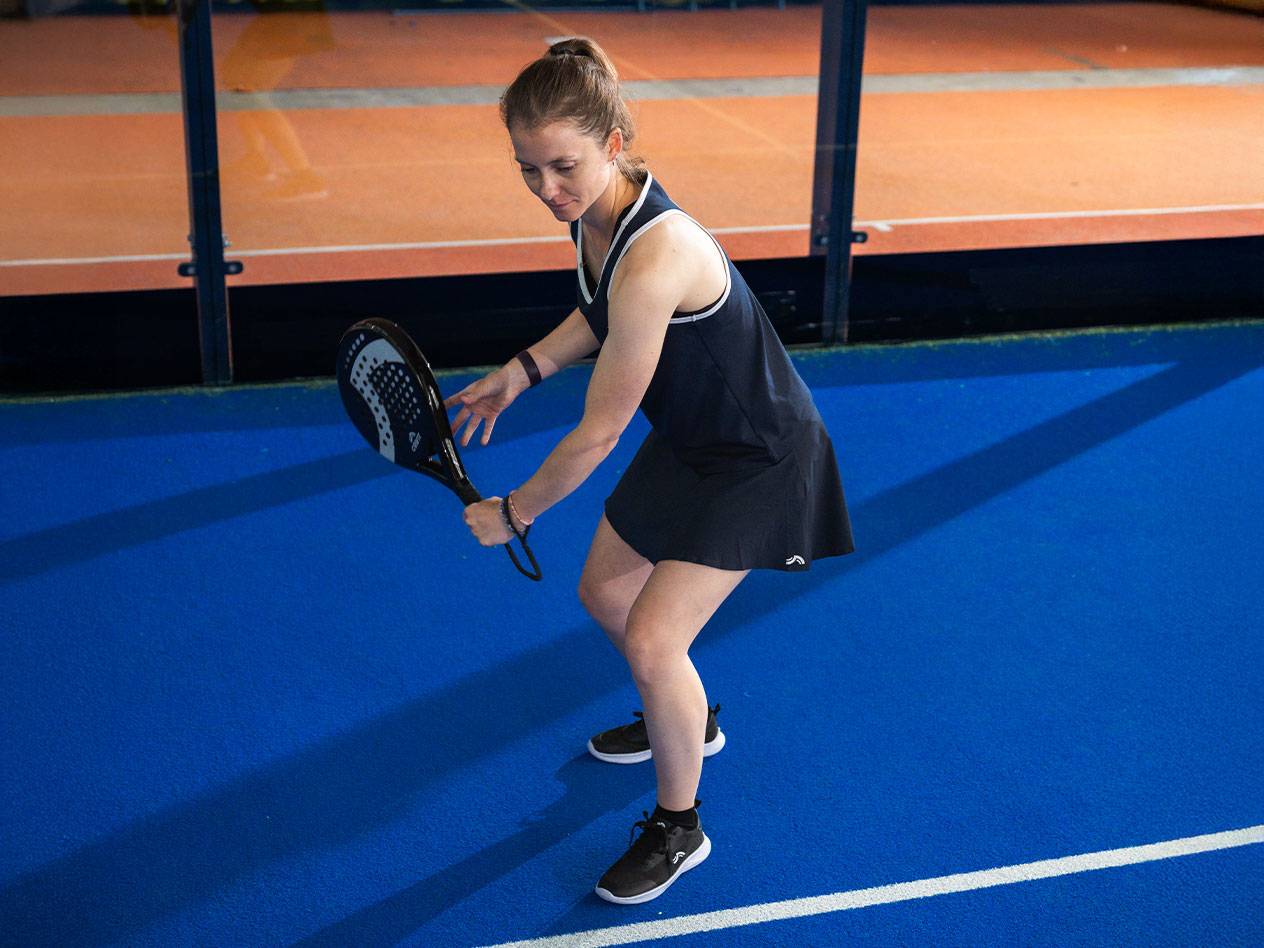
Soft forehand and backhand—controlled rather than powerful
However, such tactical shots only work with the right technique:“There is a difference between a forehand and a backhand.” You should keep the following in mind:
- “For the forehand, you open the racket slightly and hit the ball in front of your body.The movement goes from bottom to top—that's how you get the ball safely and with control over the net.”
- “For the backhand, you can use both hands, similar to the tennis slice service.A short, controlled backswing is important so that you can hit the ball safely.”
An extra tip from the expert:“Take some time at the beginning to practice your forehand and backhand shots alone against the wall.Keep returning the ball with soft, controlled shots—this will give you a better feel for the right point of contact and the timing.”
Padel equipment: The equipment for your first match
You don't need much for your first match—but the right equipment still makes a difference.The basic equipment for playing padel includes:
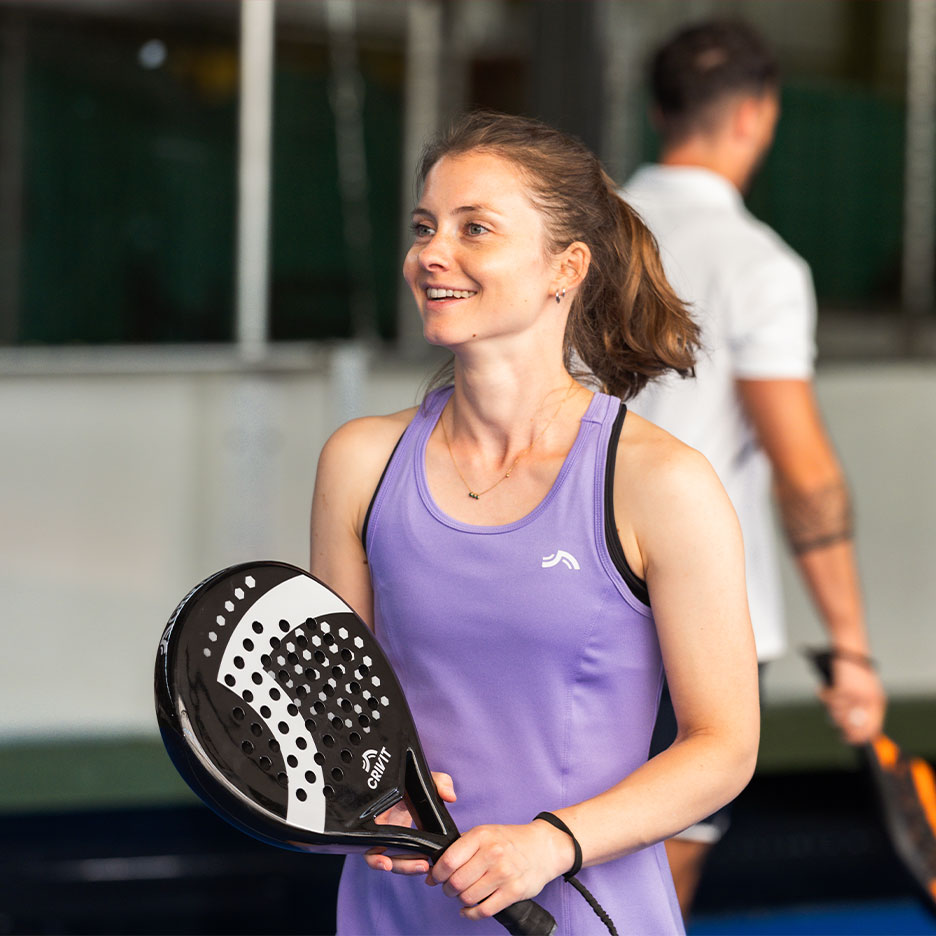
- The padel racket:“A padel racket differs significantly from the classic tennis racket:It is more compact, has no stringing, but a closed striking surface with holes.This makes it particularly easy to control—a real advantage, especially at the beginning.” You really shouldn't compromise on the racket.
- The balls for padel: Even though the balls look like tennis balls, there are significant differences.“The balls for padel are softer and have less pressure.This slows the game down a bit—perfect for learning the first rallies in peace.”
- The right clothing:For a good game, you need to be able to move properly.What is needed here is comfortable clothing that can provide this.Lana shares her experience:“You will move around a lot and are guaranteed to break a sweat.Breathable clothing makes the game much more enjoyable.”
- Good training shoes:“The cushioned training shoes with the non-slip soles are perfectly sufficient—you mainly need support, because padel is played on the artificial turf with sand,” Lana says.“Sliding is almost a part of the game and the right shoes gives you more security.”
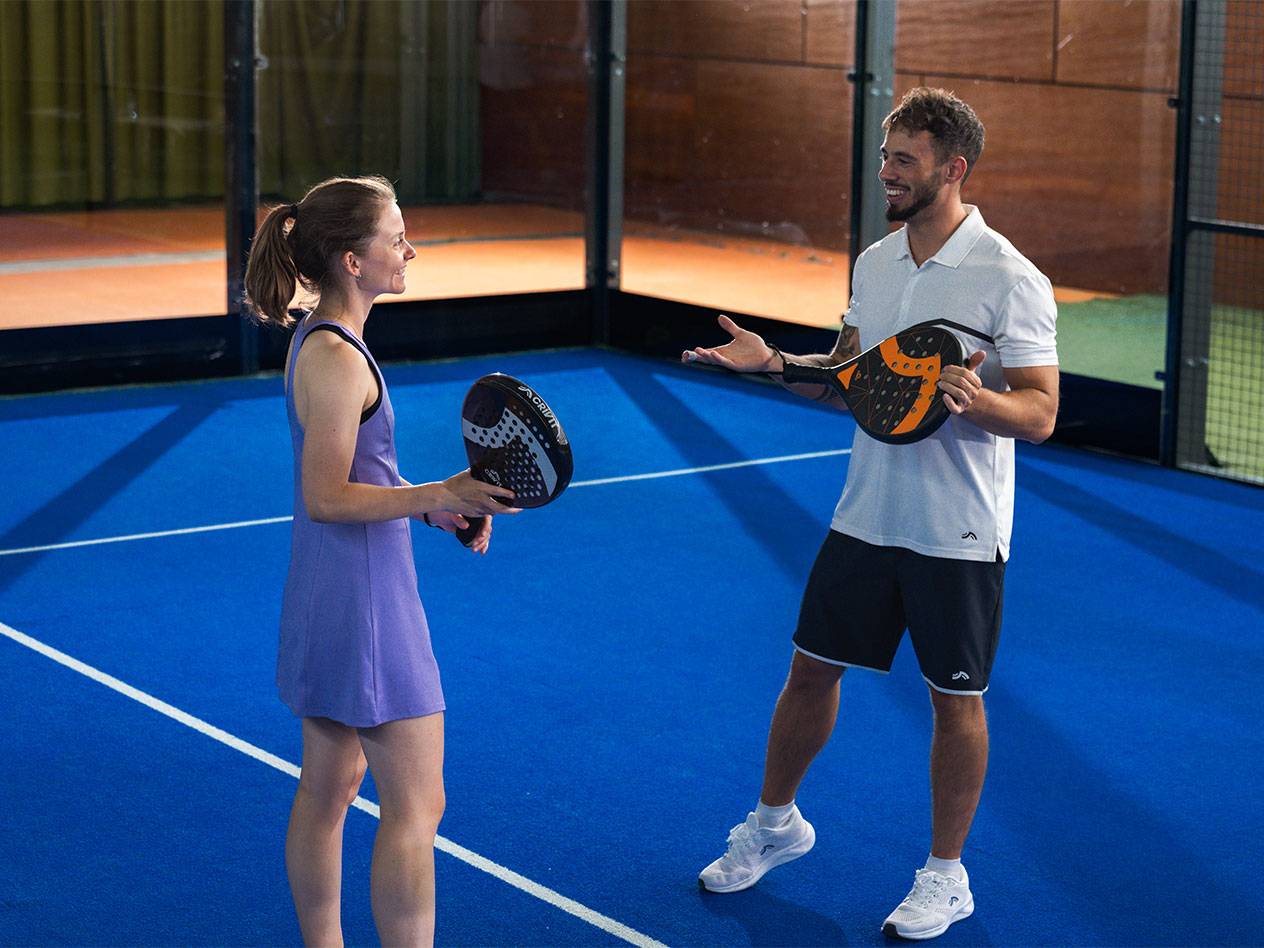
Get the right basics for your first padel match
Padel is more than just a trend—it is a captivating sport that uniquely combines the technique, tactics and team spirit.With the right basics, a relaxed approach and the right equipment, you are perfectly prepared to get started on the court yourself.Remember:Nobody plays like a pro in their first match—but with a little practice, a secure grip, the right posture, and simple moves like lob, forehand and backhand, you have the best prerequisites for quick success.In other words:Grab a racket, find yourself a partner, and discover just how much fun padel can be!
Frequently asked questions about padel for beginners
To get started with padel, you need a special padel racket, suitable padel balls (with less pressure than tennis balls), comfortable sportswear and non-slip training shoes with good cushioning.
The game is played like tennis:15, 30, 40, winning a game.Padel match is usually played as the best of three sets, meaning the first team to win two sets wins the match.Within a game, a team needs a two-point lead to win.
Use the Continental grip—hold the racket like you would when shaking hands.The grip remains loose, the wrist stable.This allows you to react quickly and hit a ball in a controlled manner.
Yes!Padel is particularly beginner-friendly.The rules are simple, the technique is learnable, and the smaller field allows for quick rallies—ideal for fun from the very first game.
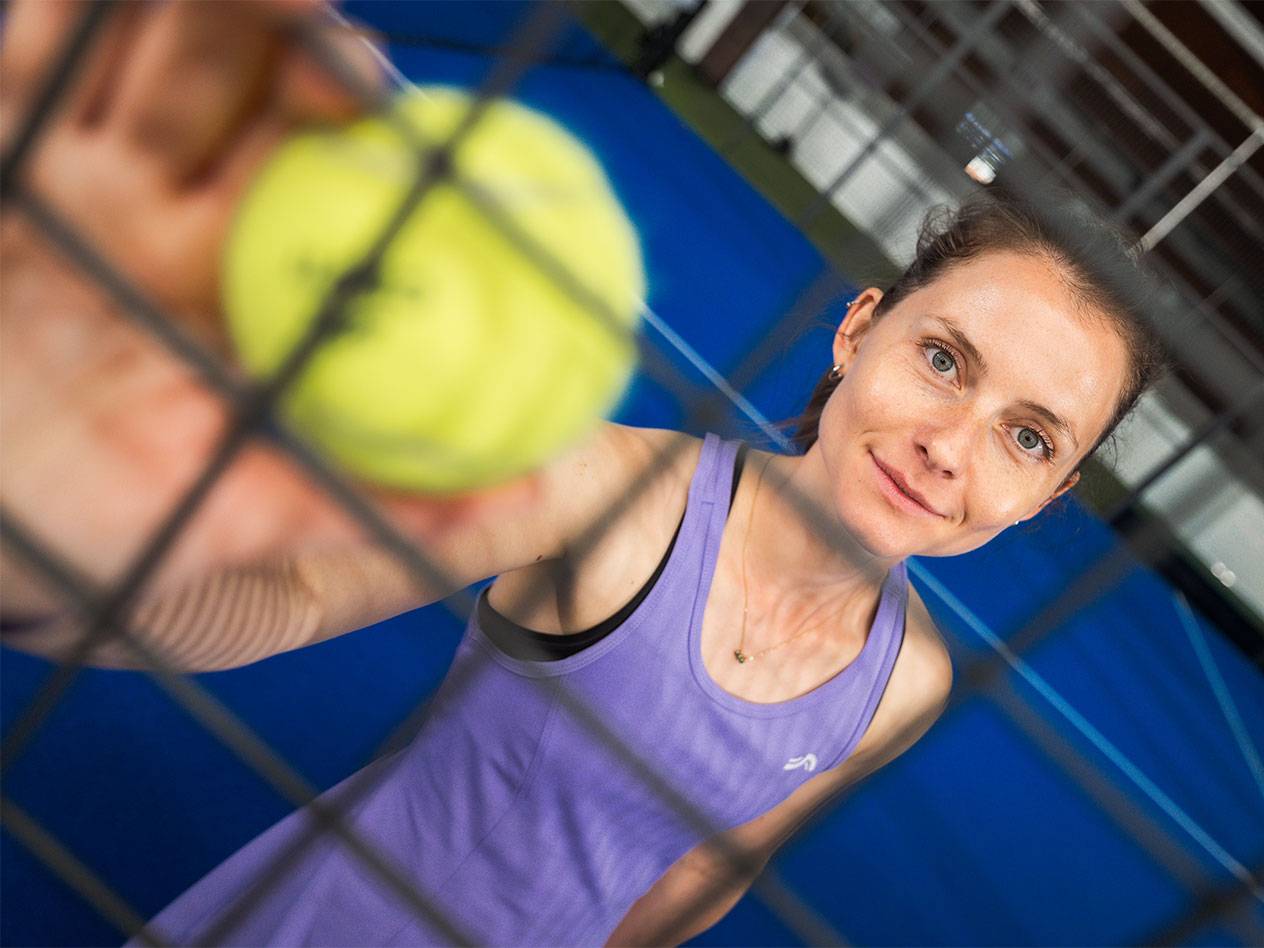
Profile of padel expert Lana
Name: Lana Büttner
Age: 33 years
Profession: Functional health coach, competitive athlete, national padel player
Sporting qualifications:
- Former tennis player
- National padel player for the German national team
- Holistic training to become a Functional Health Coach
That's what makes Lana special: Lana loves to accompany people holistically on their path to better health, well-being and performance. At the same time, she lives her passion for padel, trains intensively and plays in the German national padel team.