Learning to run: 5 tips for Technique & Getting started
You want to start running—but you are not quite sure how? Then you've come to the right place! Running is one of the simplest and most effective sports to get fit, reduce stress and improve your endurance. But especially at the beginning, the right technique, the right pace and the necessary patience are crucial. In this article, our two running experts Tim and David give you 5 practical tips for getting started with running, explain what you should pay attention to regarding the running technique—and how to avoid injuries as a beginner.

How do you start running?
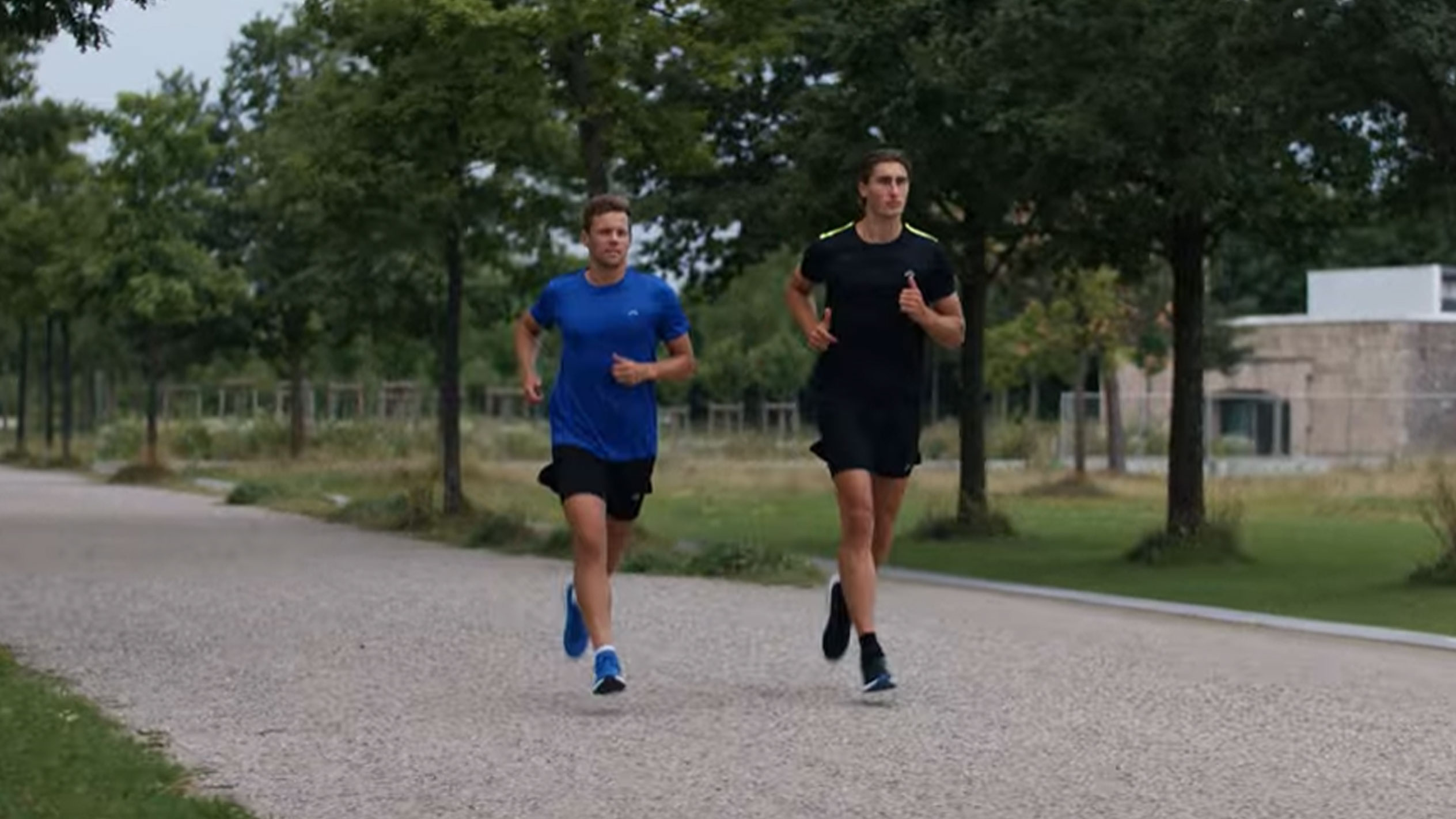
The first step is often the hardest—but especially when it comes to running, getting started is worthwhile! It is important to be realistic, relaxed and structured, and not overwhelm yourself at the beginning. Here’s how to start running:
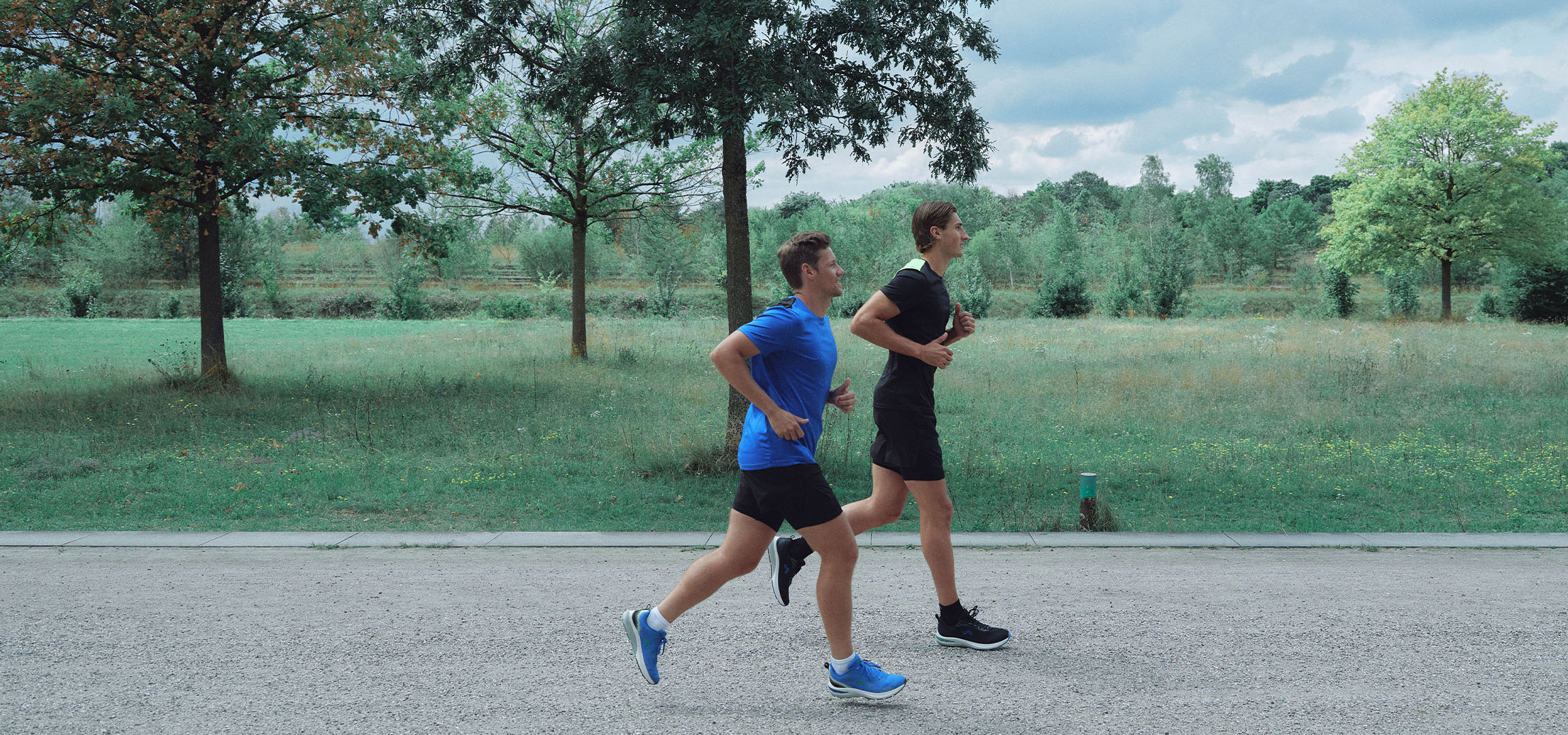
- Start with walk-run intervals: Especially at the beginning, it makes sense to combine running and walking. For example: one minute of easy jogging, two minutes of walking. Repeat this for 20–30 minutes.
- Pay attention to good footwear: Good running shoes are the most important piece of equipment. Running expert David explains: “Running shoes are about two things: Damping and flexibility. Especially if you're not yet a pro runner, a midsole can help cushion the impact and take the strain off your joints.
- Choose the right clothing: “Functional clothing makes a real difference—it wicks away moisture, regulates temperature and adapts to movement—you notice that with every kilometer,” says Tim, who himself goes running almost every day.
- Find an easy, flat route: It’s best to start on soft ground (e. g. a forest path or park) without steep inclines. This is easier on your joints and motivates you to stick with it.
- Don't run too fast—run at a constant speed: Slow running helps to develop the basic endurance. This is especially important at the beginning, to help you stick with it. Run at a pace where you could still hold a conversation. This way you stay relaxed and gradually build up your endurance.
- Practice the correct running technique: This is often underestimated, especially by beginners. But focusing on the correct running technique right from the start is important.
Why is running technique so important for beginners?
Many people think, especially when they first start running: The main thing is to start running! However, those who use the wrong technique right away risk overloading themselves or running in an uneconomical manner in the long term. “Those who know what is important from the start find running easier and stick with it,” emphasizes sports scientist and physiotherapist David.
Good running technique will help you:
- run more efficiently (less energy consumption)
- protect your joints
- avoid typical mistakes such as the heel strikes or drooping shoulders
- have more fun and success
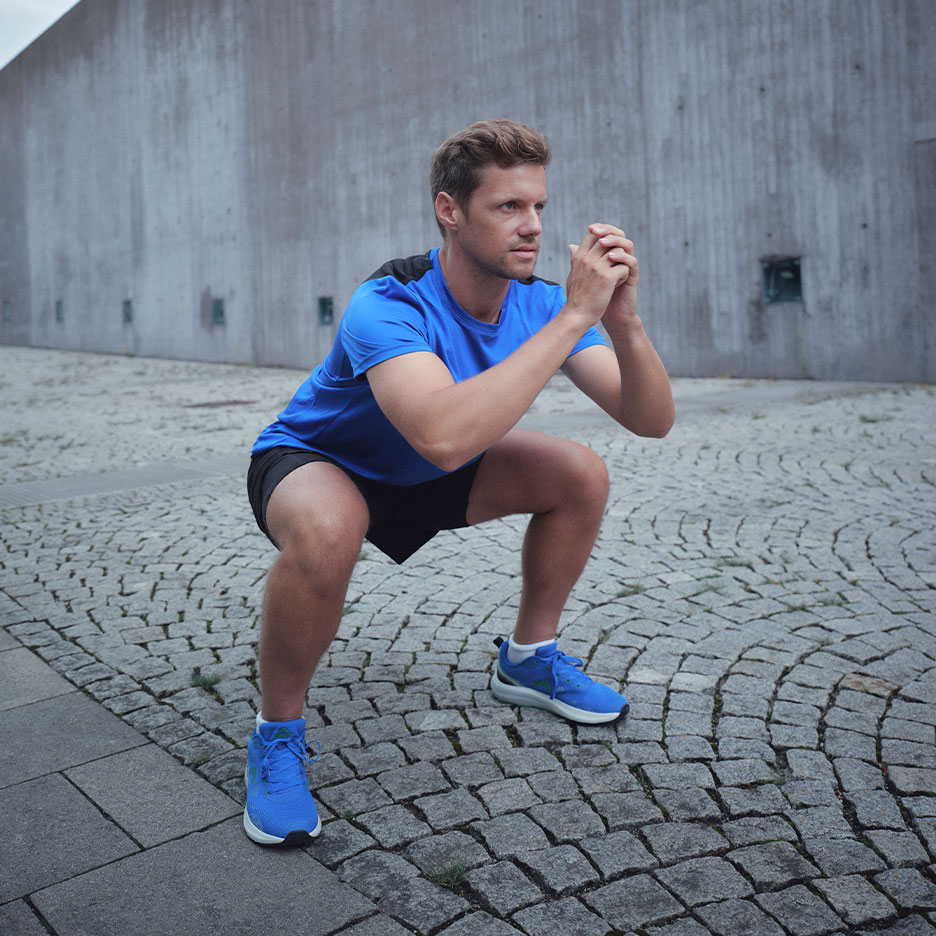
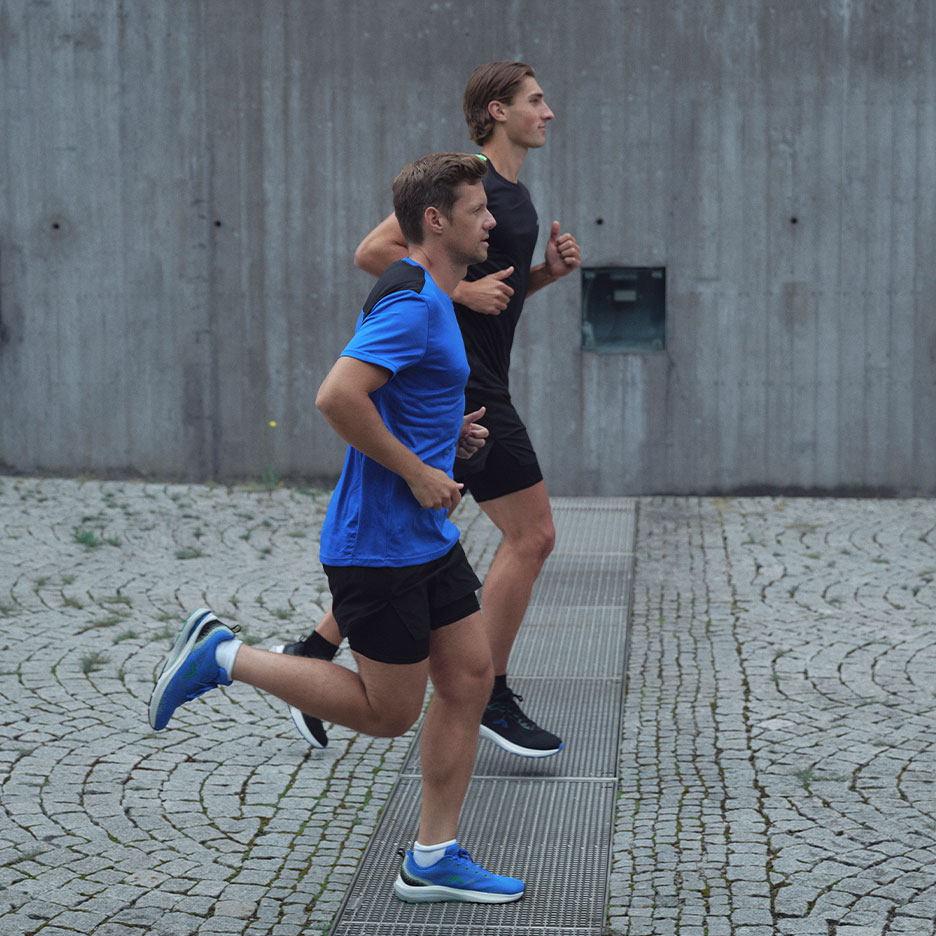

5 tips for the correct running technique for beginners
“Many people start running—and quickly realize that it takes more than just motivation,” says running expert Tim, who, as an international marathon athlete, knows what matters. The right technique is essential for the long-term success. Our running experts David and Tim have revealed their most important tips for proper running technique.
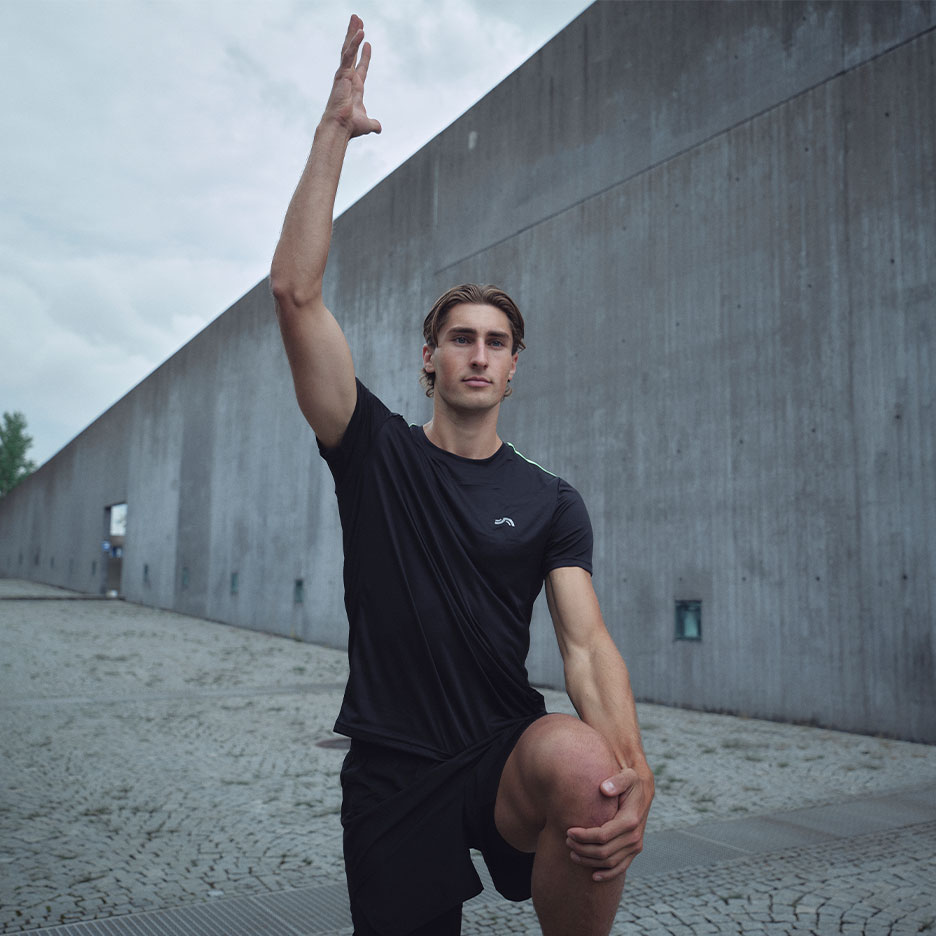
An upright posture
“When you start running, your posture is crucial,” David says confidently. How it works: “Imagine an invisible thread gently pulling you upwards at the back of your head. This automatically straightens you up, opens your chest, and keeps your shoulders relaxed.” This posture helps you avoid the unnecessary strain. His checklist for the correct posture: “Head straight, gaze forward, shoulders relaxed, arms loose.”
Short, quick steps
The size of the steps is a common mistake that the two experts observe in beginner runners. Just like appearing under a lot of pressure. “Try the shorter, quicker steps instead—light and fluid rather than stamping,” Tim explains. “Your foot should land directly under your centre of gravity—not far in front of it.” This significantly reduces the impact load on the knees and hips. A good guideline is 160 to 180 steps per minute.
The correct foot placement
How you place your foot while running makes a significant difference to your running technique: “If you land on your heel, you slow yourself down with every step. “This takes energy—and can lead to long-term health problems,” said David. To do it right, the expert recommends: “It is better to land softly on the midfoot at the beginning. This allows you to roll naturally over your foot. A soft surface is perfect for practising this—such as a forest path. You’ll get a feel for this way of running more quickly.”
The arm action
The arm action is totally underestimated by many beginner runners. The reason is that many of them don't know: “Your arms stabilize your upper body and help you stay in rhythm.” Tim explains how to use your arms correctly when running: “Keep your arms relaxed at a 90-degree angle and parallel to your body—not crossed. This saves the additional energy and ensures a smooth flow of movement. A simple exercise: “Every now and then, consciously run 100 meters with active arm movement.”
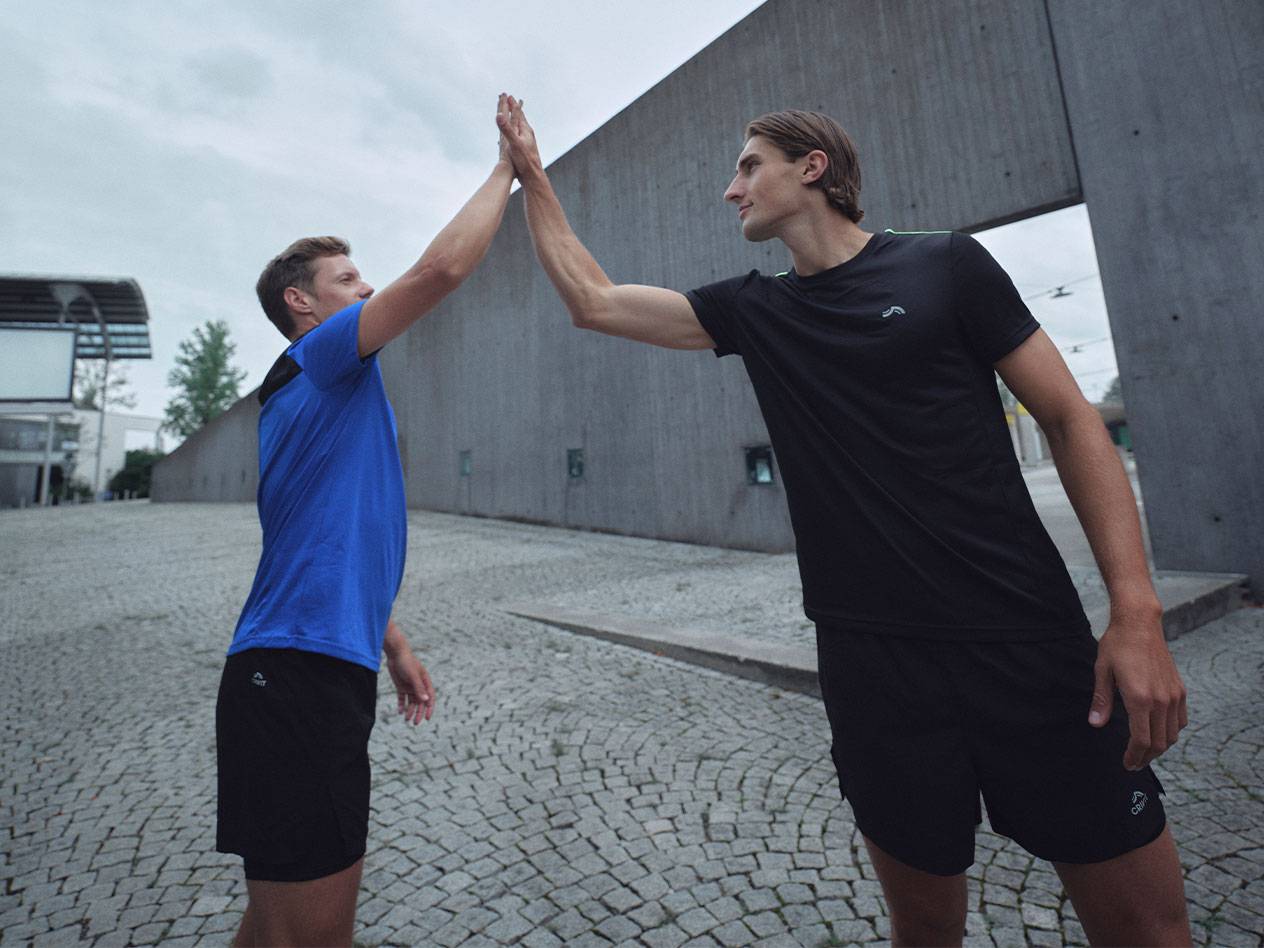
Start your running training with technique, patience and fun
Learning to run is not a sprint—but a process that begins with the first step.With the right tips for getting started, a conscious look at your running technique and realistic expectations, you create the perfect foundation for long-term success. Our experts Tim and David underline: It is about technique, body awareness, and perseverance rather than speed. Those who start slowly, run consciously and train regularly will become more satisfied, relaxed and healthy, becoming fitter at the same time.
Frequently asked questions about proper running technique
Running technique describes the way you move while running—this includes posture, rhythm, foot strike, arm movement, and breathing.Good running technique helps you run more efficiently and without injury.
Important features include the upright posture, short and even steps, midfoot strike instead of heel, relaxed arm movement in the direction of running, and calm abdominal breathing. These elements ensure a smooth and joint-friendly running style.
To improve the running technique, exercises such as jumping, heel strikes, running backwards, running on soft surfaces, or video analysis can be helpful. Regular conscious technical training is also important.
The most common mistakes made by beginner runners are taking steps that are too big, heel striking with a hard impact, tense shoulders, crossing arm movements, and panting instead of even breathing. These mistakes cost energy and increase the risk of injury.

Profile of running expert David
Name: David Schönherr
Age: 36 Jahre
Profession: Sportwissenschaftler & Physiotherapeut mit eigenen Laufschulen
Sporting background:
- Sports scientist and physiotherapist
- Ultra Marathon Runner / 2:23h marathon
- Two-time winner: Red Bull Wings for Life World Runs Germany
This is what makes David who he is: David is a real running pro. His sporting background is just one of the many things that speak for itself. He also shares his expertise and is the founder of Running Crew and the Münster Running School.

Profile of running expert Tim
Name: Tim Buchheister
Age:26 years
Profession: International marathon athlete
Sporting background:
- Competitive athlete since childhood
- Grew up playing football up to the level of regional league (including coaching licenses), as well as tennis in his youth
- Passion for strength training and functional training
This is what makes Tim who he is: Tim has been passionate about sports his whole life. Running and HYROX are especially popular now. However, it's not just the sport: He enjoys pushing himself and others to achieve their best.