Lawn mower: Sharpening blades, but properly
The lawn mowers need care and maintenance to ensure they deliver the desired performance in the long term. Besides regular cleaning and checking of the drive, the regular sharpening of the lawn mower blade plays a crucial role in the mowing performance. This guide explains how to sharpen a blade.
Why does the lawn mower blade need to be sharpened?
A sharp blade is essential for a precise cut. Frequent use and running over sticks, stones and other small obstacles will cause the lawn mower blade to become dull over time. The result: The herb stems are now not cut straight, but torn and chopped up.
How do I know when the lawn mower blade needs sharpening?
The cross-cut is the best indicator to determine the need for sharpening. The herb stems cut with a dull blade appear frayed. They dry out and the tips turn grey. If the lawn shows these signs, it's time to sharpen the lawn mower blade.
Instructions: Sharpening the lawn mower blades yourself
Anyone with some manual dexterity can sharpen the blade themselves, without having to go to the specialist retailer or the locksmith’s workshop. The right equipment is important.
Tool list
• Balancing machine
• Allen key
• Open-end wrench without ratchet
• Pipe wrench
• Angle grinder
• Screwdriver
• Vice
Step 1: Safely switch off the mower
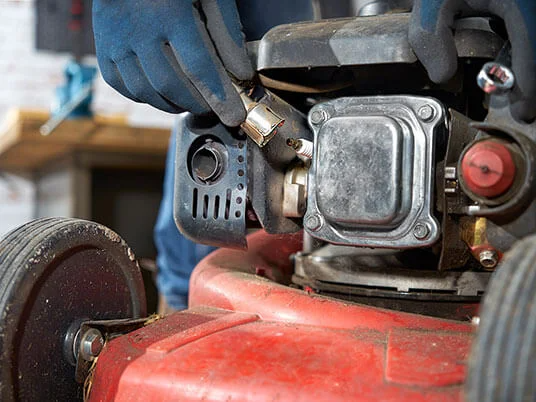
Safety is our top priority. Make sure the device cannot be started accidentally. That means: For petrol lawn mowers, disconnect the spark plug connector; for electric lawn mowers, unplug the power supply; or for battery-powered lawn mowers, remove the battery. Also, observe the applicable safety instructions of the respective manufacturer. This minimises the risk of injury and allows you to remove the blade safely.
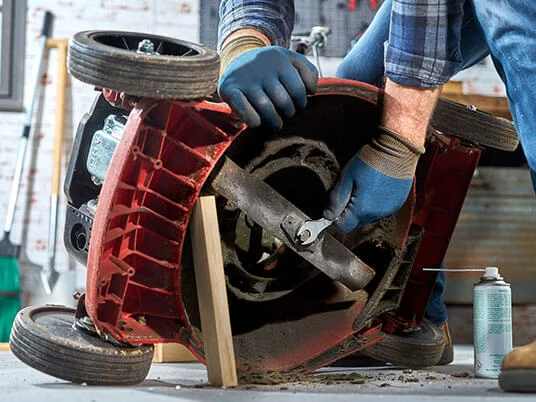
Step 2: Removing the lawn mower blades
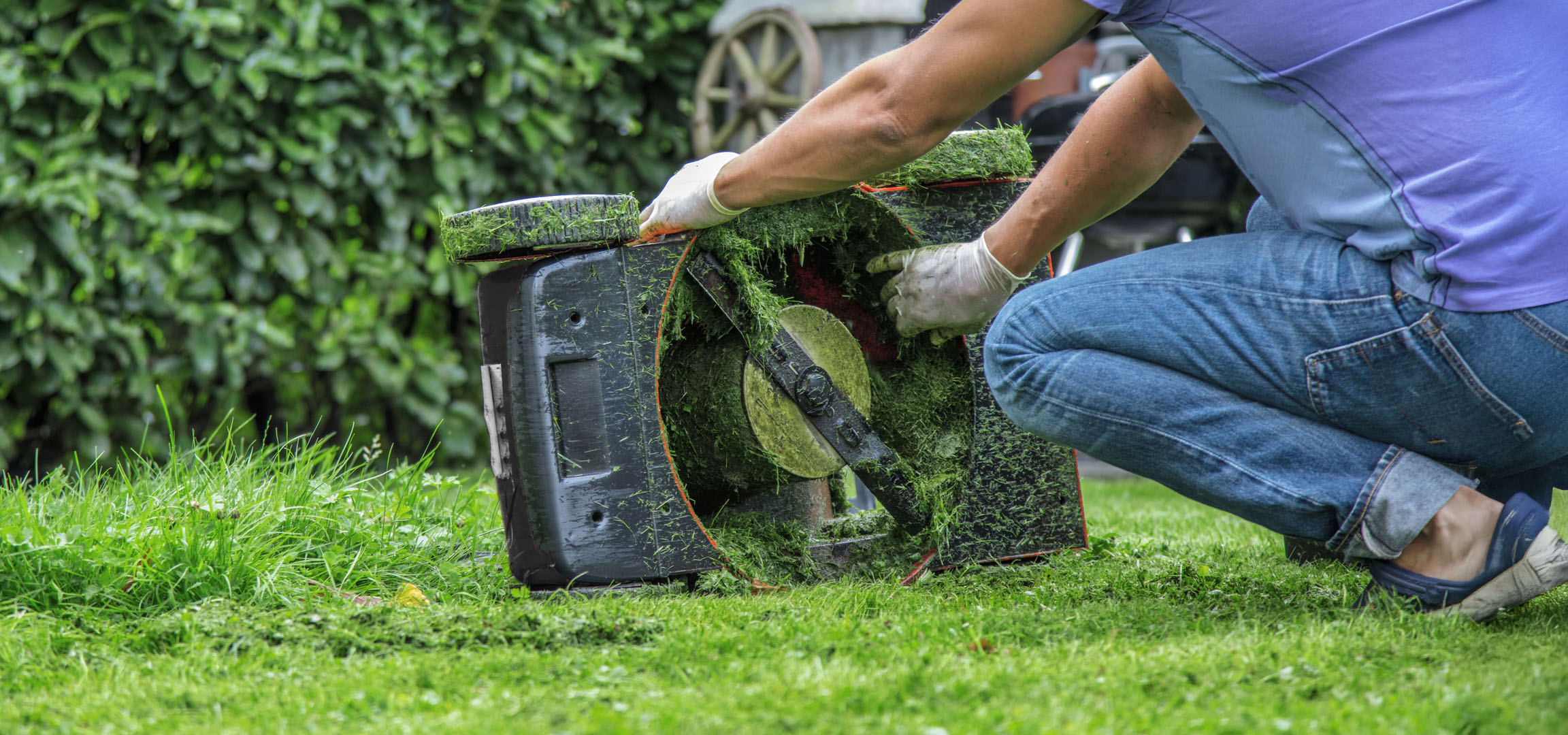
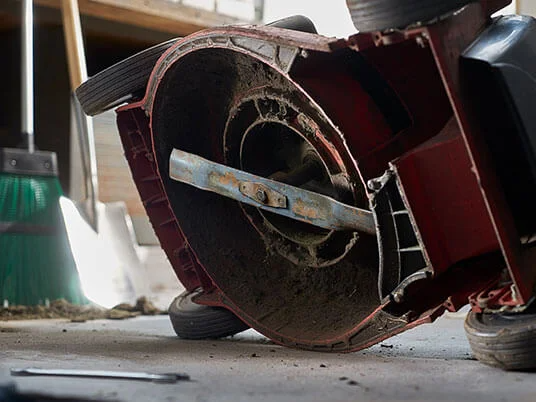
Before you begin removing the blade, it's a good idea to read your lawn mower operating manual. It explains how to remove the blade correctly. Otherwise, proceed as follows: Turn the lawn mower on its side so you can easily reach the rotor blade. Depending on the type of screw used, you will need one or more wrenches or the help of a pipe wrench to loosen the blade from the engine mount.
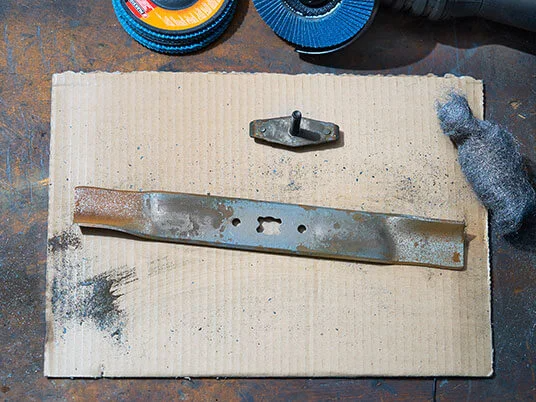
Step 3: Blade cleaning and inspection
The removed blade is now being cleaned. Dirt and grass residue can easily be removed with a cloth. Next, you should check the lawn mower blade for damage. If the blade has been damaged too badly by stones or similar foreign objects in the lawn, or if it is bent, it is advisable to use a new blade immediately.
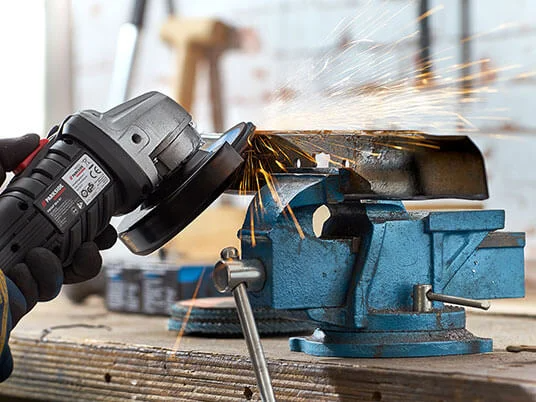
Step 4: Sharpening the lawn mower blades
To sharpen the blade, clamp it firmly in a vice. This ensures that the blade won't slip away while you're sharpening it. You can use an angle grinder with flap discs for sharpening. Use this to grind down the cut edges visible at the ends of the blades one after the other by lightly running the angle grinder over the corresponding top surface. Make sure to maintain the original angle of the cut edge and not remove too much material. The underside of the cut edges is not finished by grinding. If you don't have an angle grinder available, you can use a set of files. Although working with it is more time-consuming, it also leads to a good result. Work from coarse to fine: Start with a coarse file, remove old burrs and renew the cut edge. You can then round off the edges using a finer file.
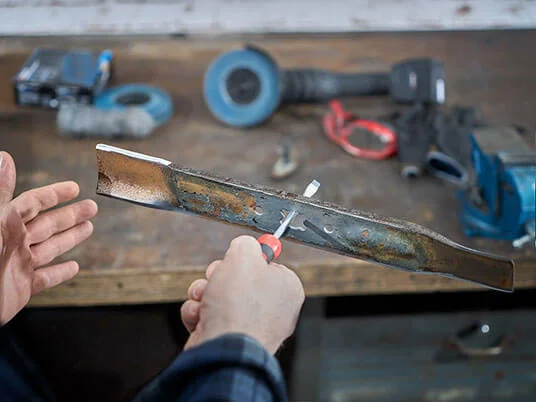
Step 5: Balancing the blades
Sharpen the blade so that the same amount of material is removed from both ends. Otherwise, an imbalance occurs and the blade becomes crooked. To determine if the blade is balanced, you can place it through the centre hole onto a horizontally held screwdriver. If the blade ends remain at the same height, the blade is balanced. If the blade tilts to one side, you need to remove some more material on that side. Otherwise, the resulting imbalance will damage the lawn mower engine bearing later during the mowing. To achieve an even more precise result when balancing the lawn mower blade, a special balancing device can be used .This is available in specialist shops.
Step 6: The blade installation
Once the blade is sharpened and balanced, you can reinstall it. Make sure you install all screws and washers in the correct places. Do not restart the lawn mower until it is on the ground and you are sure that all parts are securely screwed together.
What protective clothing should be worn when sharpening?
The protective clothing should be used when sharpening. This minimises the risk of injuries and health hazard. The recommended protection against the sharp blades and fine metal particles includes:
• Gloves
• Respirator
• Safety goggles
Questions and answers
How often a mower blade needs sharpening depends on the frequency of use. Frequent mowing or a lawn that is particularly littered with stones and branches will cause the blade to dull more quickly. The lawn mower blade should definitely be sharpened once per season.
Any angle grinder can generally be used to sharpen the blade. However, using the right discs is important. It is best to use the flap discs and not the grinding discs. The latter are unsuitable for grinding the cut edges, as they work more roughly and quickly remove too much material.
A blade that shows obvious nicks, cracks or chips should be replaced. Otherwise, not only the cutting quality suffers, but also the safety.