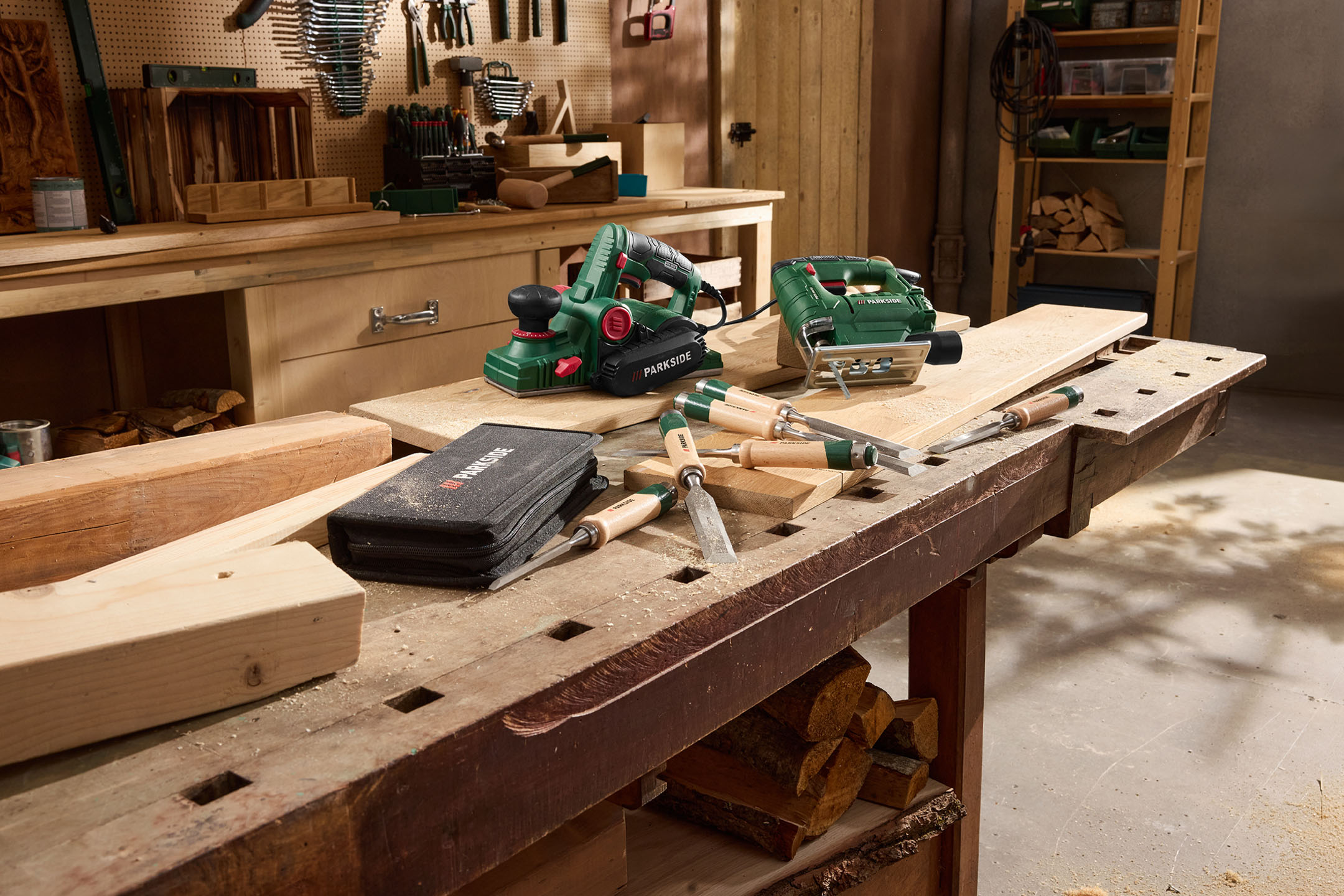
Impact Drill vs Rotary Hammer: A Heavyweight Comparison
When it comes to the really tough DIY jobs, an impact drill and a rotary hammer are your first choice. Which power tool is right for which task, and what do you need to know about using them? This head-to-head tool guide has the answers!
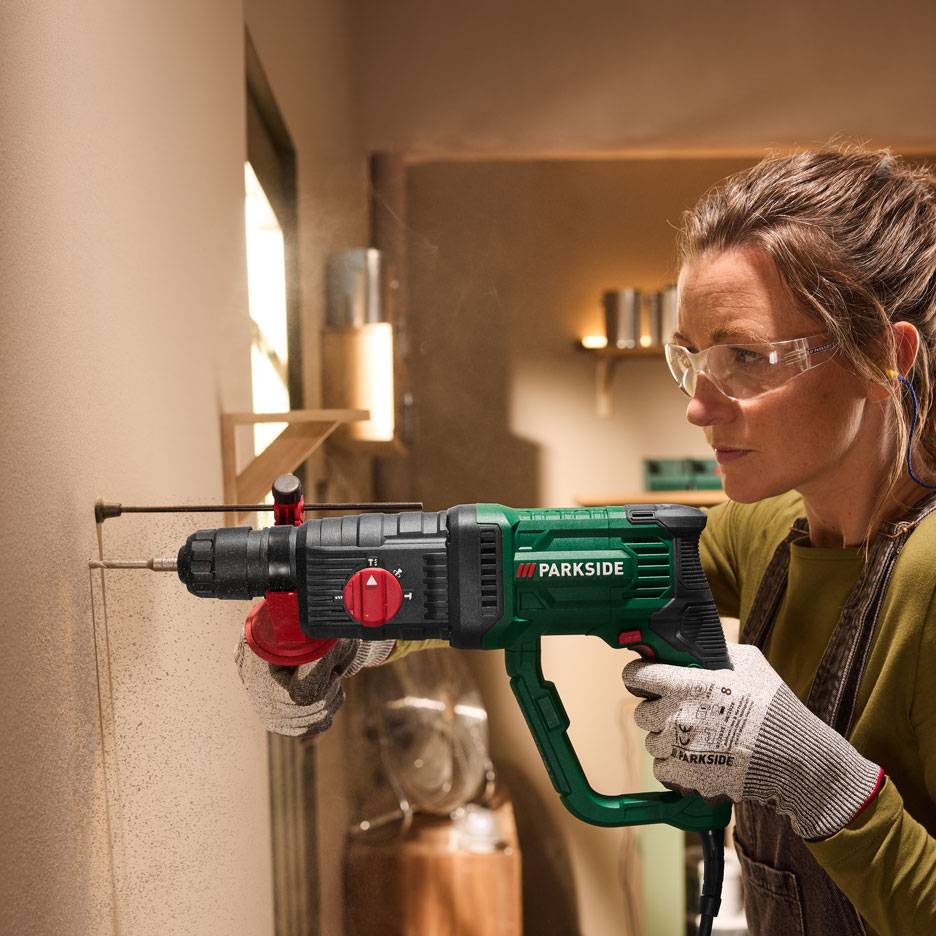
Rotary Hammer Profile
Name: Rotary Hammer
Speciality: Heavy-duty demolition and renovation work on concrete, natural stone and masonry
Suitable for: Hard masonry, all materials from stone and wood to metal
Functions: Drilling, impact drilling, chiselling, hammer drilling (with suitable interchangeable chuck)
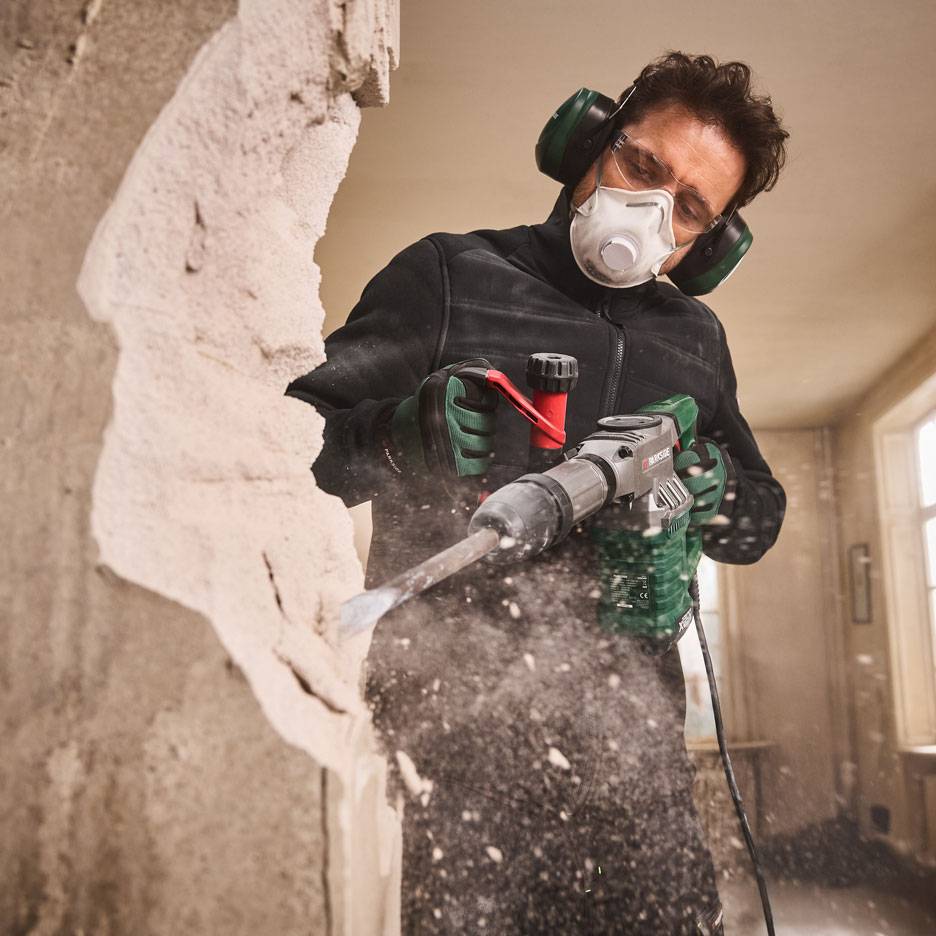
Impact Drill at a Glance
Name: Impact Drill
Speciality: Precise work for many DIY projects (e.g. putting up a shelf)
Suitable for: Soft masonry, natural stone, lightweight concrete, wood, metal, plastic
Functions: Drilling, hammer drilling, chiselling, chasing
Similarities & Differences
In terms of their basic functions, impact drills and hammer drills are identical: both can drill into various materials and increase their power using a hammer mechanism. You can get both types of tool as a handy cordless tool or as a corded electric tool.
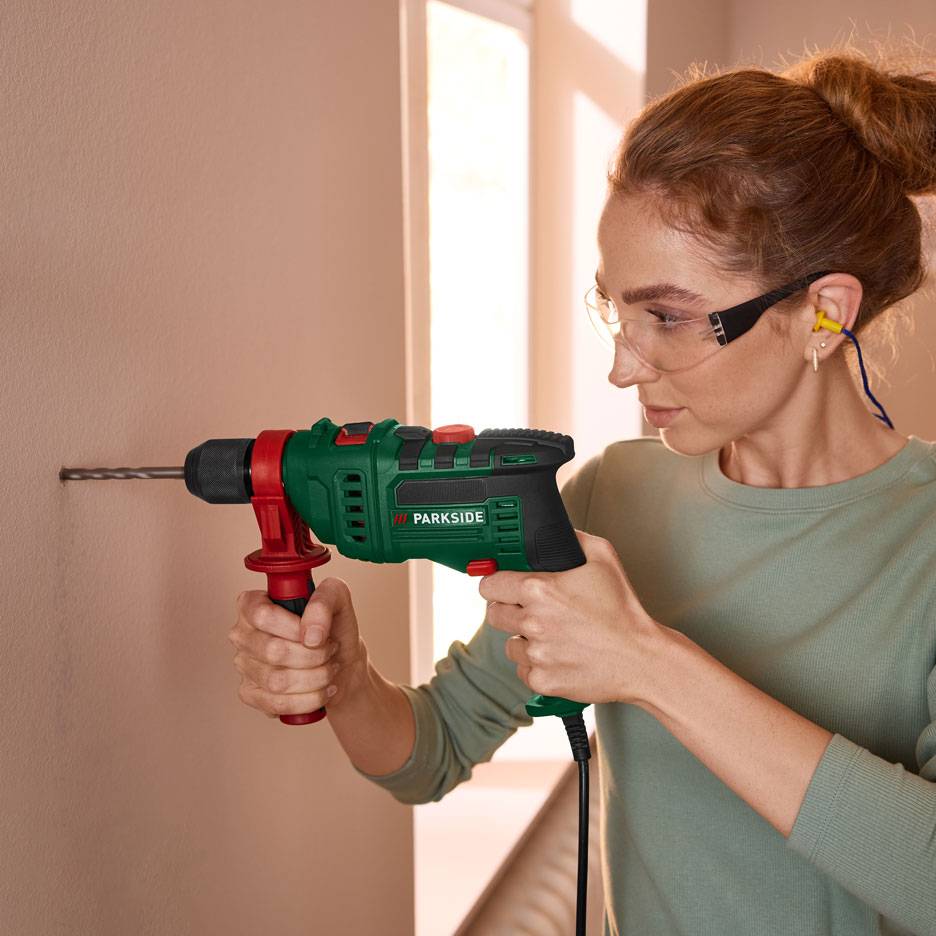
An impact drill features either a 2-speed gearbox or a speed controller. With the 2-speed gearbox, the first gear is ideal for drilling large holes into tougher materials like sand-lime brick. This setting offers low speed and high torque. The second gear provides low torque and higher speed, allowing you to drill precise holes in wood or plastic.
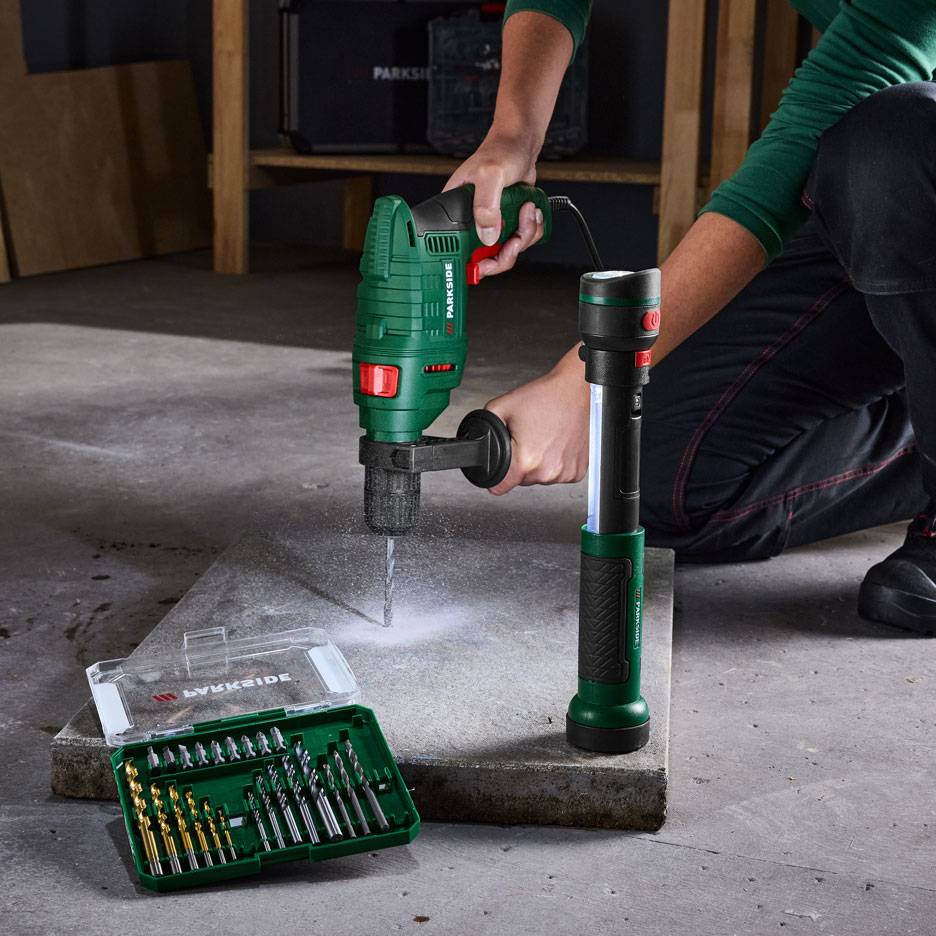
A rotary hammer can not only drill but also chisel: The drill bit has room for movement in its SDS chuck and can vibrate axially. There is also a key difference between an impact drill and a rotary hammer in terms of power transmission:
A rotary hammer has an automated hammer mechanism. Its power depends on the motor and its performance – in other words, on the tool itself.
With an impact drill, you control the impact force through the pressure you apply to the material – in other words, with your own strength.
If you want to work on very hard materials, you'll quickly find an impact drill has its limits. Conversely, a hammer drill is too powerful to work safely on soft materials or to drill precise holes.
The most important factor is the combination of impact force, rotational speed and impact rate.
Bohrhammer | Schlagbohrer |
|
|---|---|---|
Wirkung | Kraftübertragung | Geschwindigkeit |
Schlagfrequenz | niedrig; ca. 4.000 pro Minute | hoch; ca. 40.000 pro Minute |
Schlagkraft | hoch; bis zu 30 Joule | niedrig; meist unter 1 Joule |
The rotary hammer gets its power from high impact force, meaning it only needs a low impact rate. It’s the other way around for the impact drill, which works its way quickly but carefully into more delicate materials.
Conclusion: Which tool for which job?
The rotary hammer is ideal for heavy-duty jobs that require a lot of power. It's often essential when renovating, breaking through a wall or for masonry work in the garden. The impact drill is the better choice for precision and delicate tasks. It's used far more often for everyday jobs and in the workshop.
Bohrhammer | Schlagbohrer |
|---|---|
Hartes Mauerwerk stemmen + aufbrechen | Weiches Mauerwerk aufbrechen |
Materialien wie Naturstein, Beton, Granit, Vollziegel | Materialien wie Kalksandstein, Leichtbeton, Metall, Holz, Kunststoff |
Bohren großer Durchmesser (Dosensenken) | Bohren kleiner Durchmesser |
Fliesenarbeiten und Meißeln |