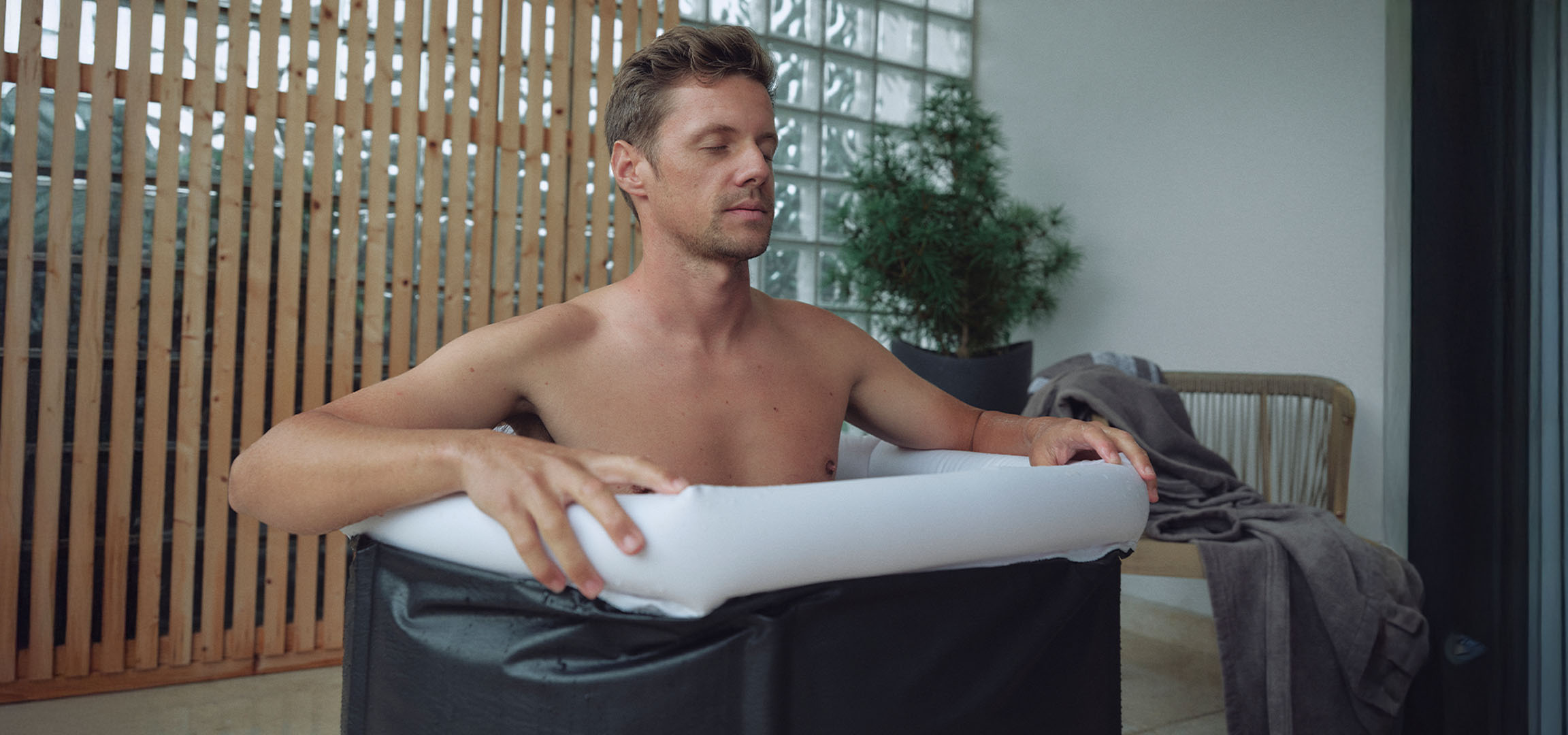
Ice swimming for regeneration: Here's how to get started
Ice swimming is currently experiencing a real comeback — especially in the fitness, sports and health world.No wonder, given that the targeted application of cold can effectively support your body's regeneration after exercise.This article explains exactly how the ice swimming works, why it can enhance your recovery, and what you should pay attention to.
What is the ice swimming?
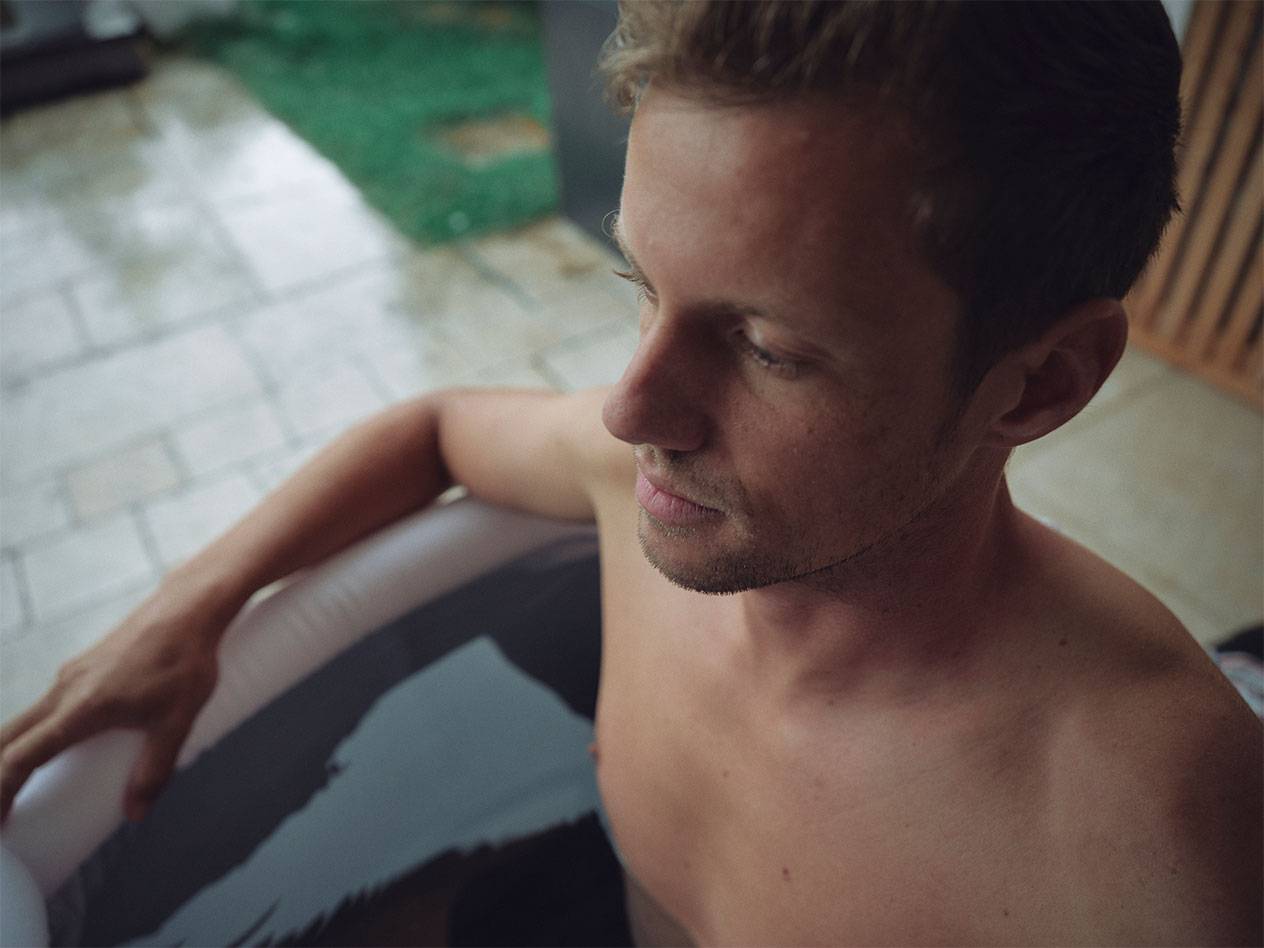
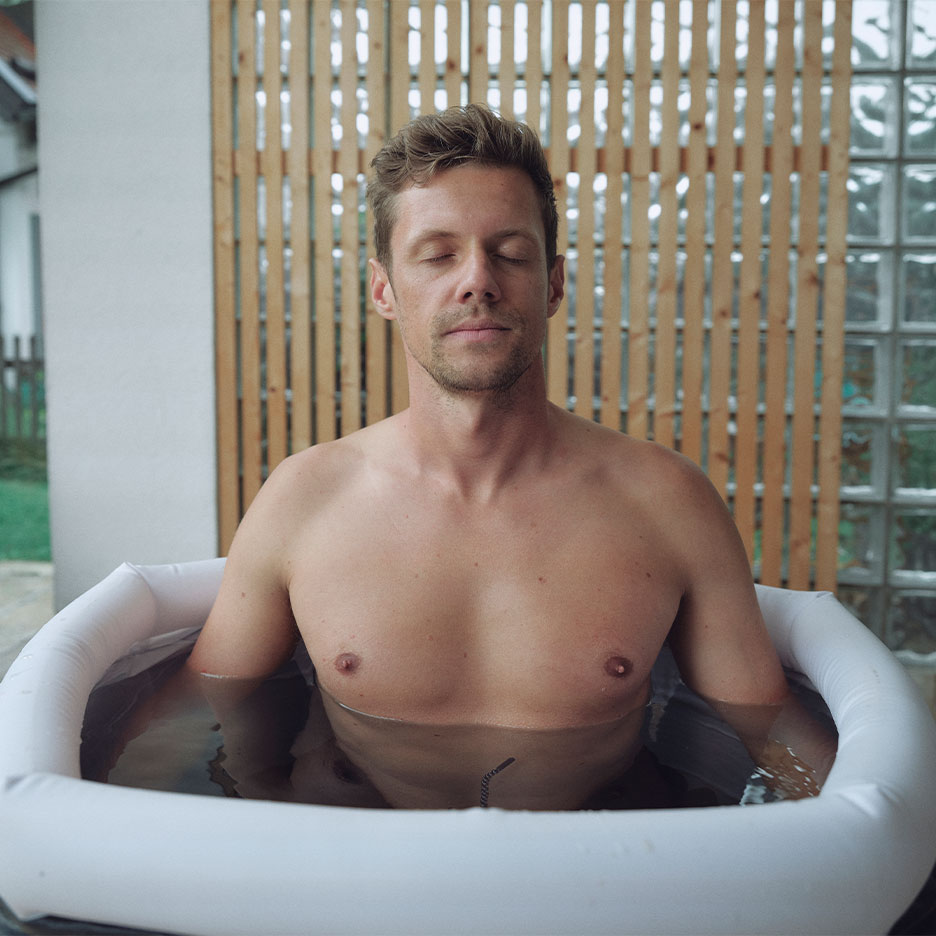
Ice swimming means deliberate immersion of the body in cold water - usually between 5 and 10 degrees Celsius - for a short period of 2 to 5 minutes. It forms part of the so-called cold therapy (cryotherapy) and has been used for decades by competitive athletes to reduce the inflammation, alleviate pain and accelerate regeneration.
The concept originally comes from Scandinavia, where the interplay between sauna and ice hole has been part of the culture for centuries. Today it is practised by professional athletes, biohackers and fitness enthusiasts worldwide, becoming an increasing trend.
Why is regeneration important?
After training, your body needs time to:
- repair minor muscle injuries
- reduce inflammatory processes
- replenish energy stores (e.g. glycogen).
The targeted regeneration ensures that you regain your performance faster, avoid injuries and make progress in training. This is exactly what ice swimming can help you with.
Ice swimming for regeneration: These are the benefits that await you
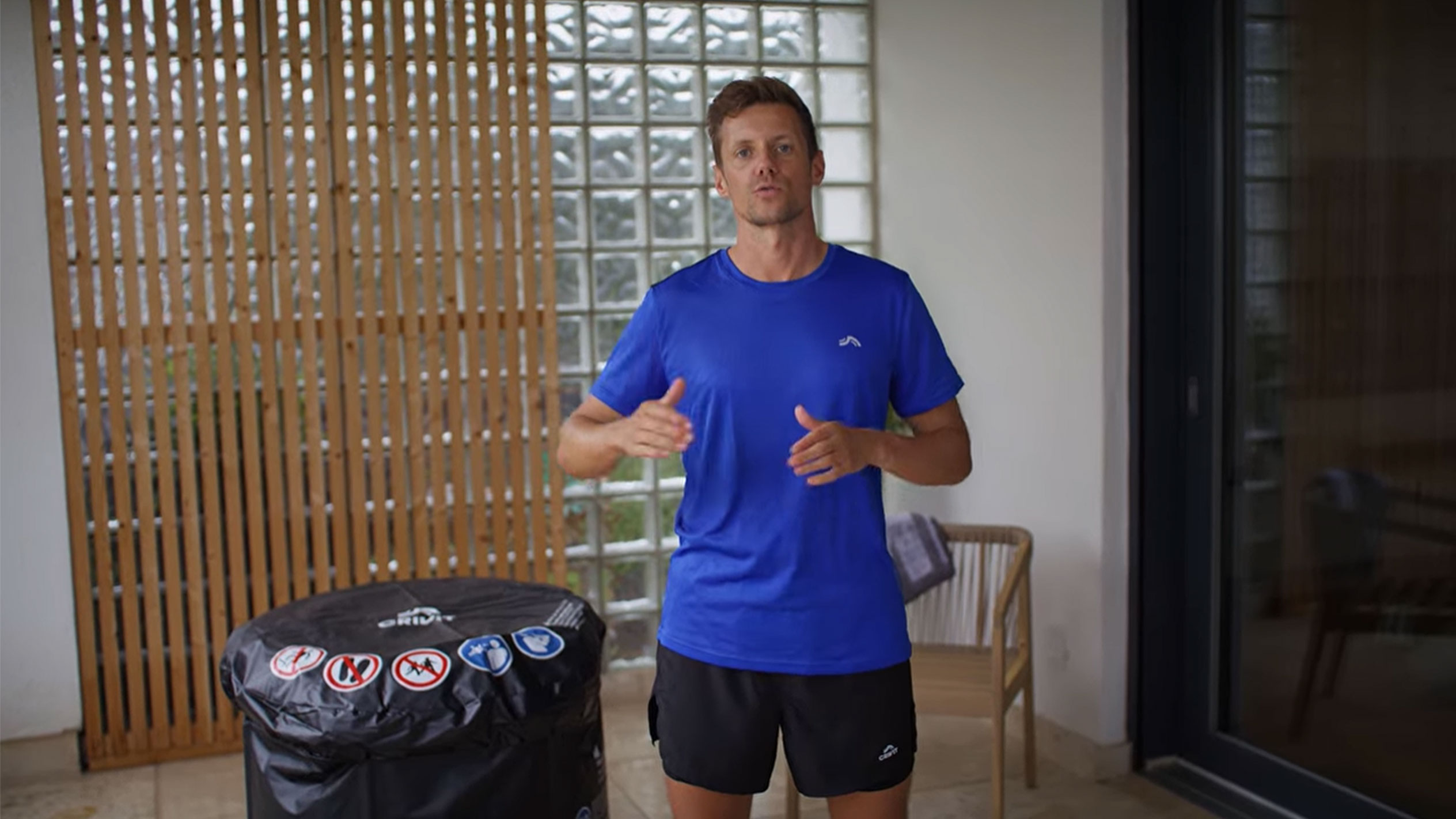
“Cold can either deter you or strengthen you,” says our expert David, who as a sports scientist and physiotherapist knows exactly what matters.“Ice swimming is an effective way to target recovery and stress relief — especially after training,” he emphasizes.
These are the advantages of ice swimming:
1. Nervous system reset
“When we step into the cold water, plenty of things happen in the body immediately,” David explains.“The cold stimulus triggers an acute stress reaction—pulse and breathing increase, the body releases adrenaline and endorphins.Not only does this create a clear, alert feeling in your head, but also gets your nervous system working—it's a reboot that can be beneficial for you.”
2. Reduction of muscle soreness
The cold water causes your blood vessels to constrict. They expand again after immersion.“This improves the blood circulation, activates the metabolism and acts like a refreshing boost throughout the body—especially after intense exertion, it's an effective regeneration booster.” It also promotes the removal of waste products such as lactate and reduces the muscle soreness.
3. Anti-inflammatory effect & pain relief
The cold inhibits the activity of pro-inflammatory messenger substances, so-called cytokines, in the body. This is particularly beneficial after intensive sessions such as HIIT or strength training. At the same time, the ice swimming acts like a natural pain reliever, as it reduces the nerve conduction velocity—perfect for mild overuse pain.
4. Long-term stress reduction
Stress reduction is an important part of regeneration. You can achieve it through regular ice swimming: In addition to reducing stress, this can also strengthen your immune system in the long term—especially if you remain mentally conscious about it.”
Tips for the ice swimming: Here's how to get started
You want to start the ice swimming, but you don't know exactly how? No problem! With the right preparation, the cold bath becomes a safe and effective part of your recovery
Start at home in the ice barrel
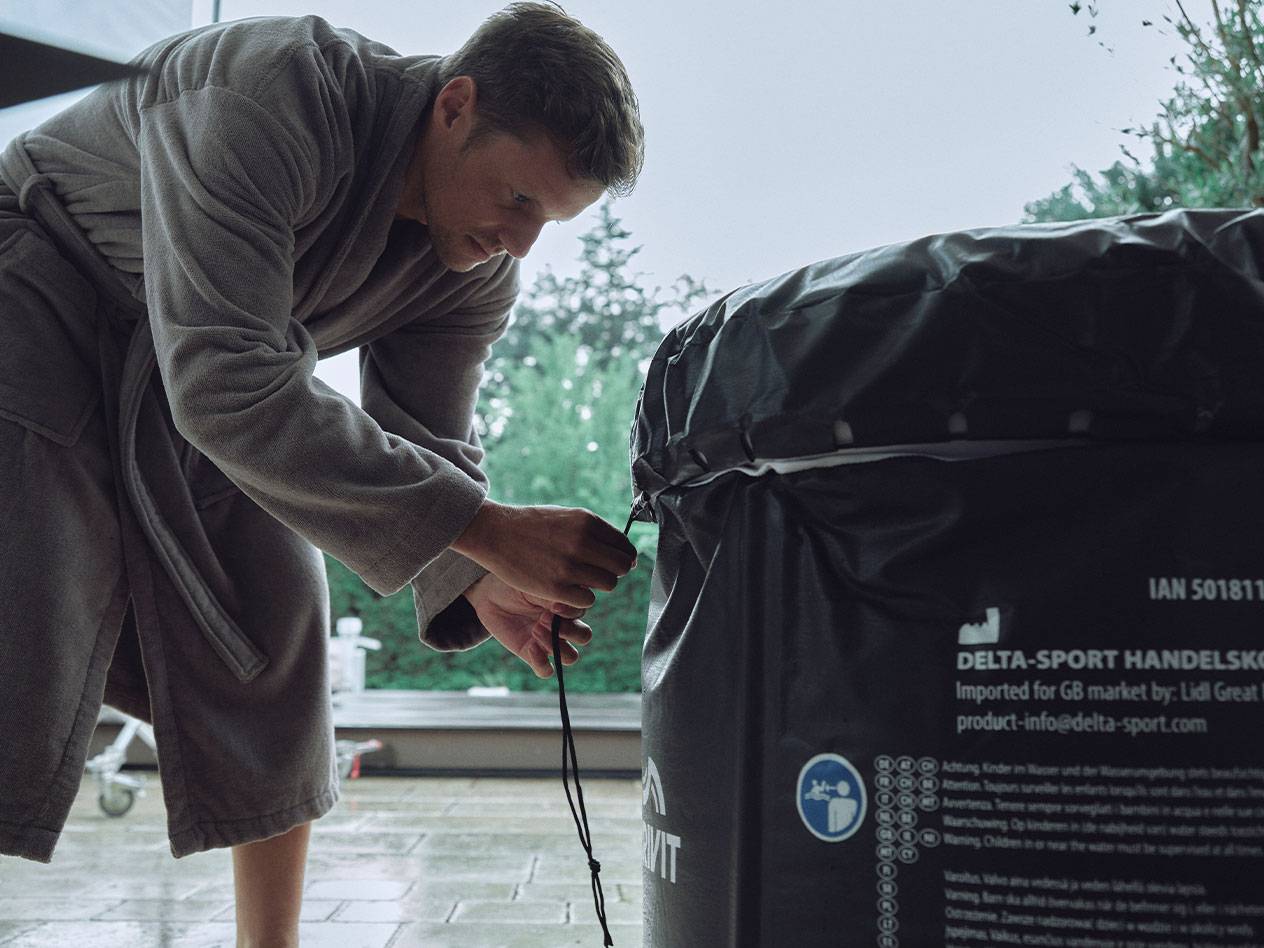
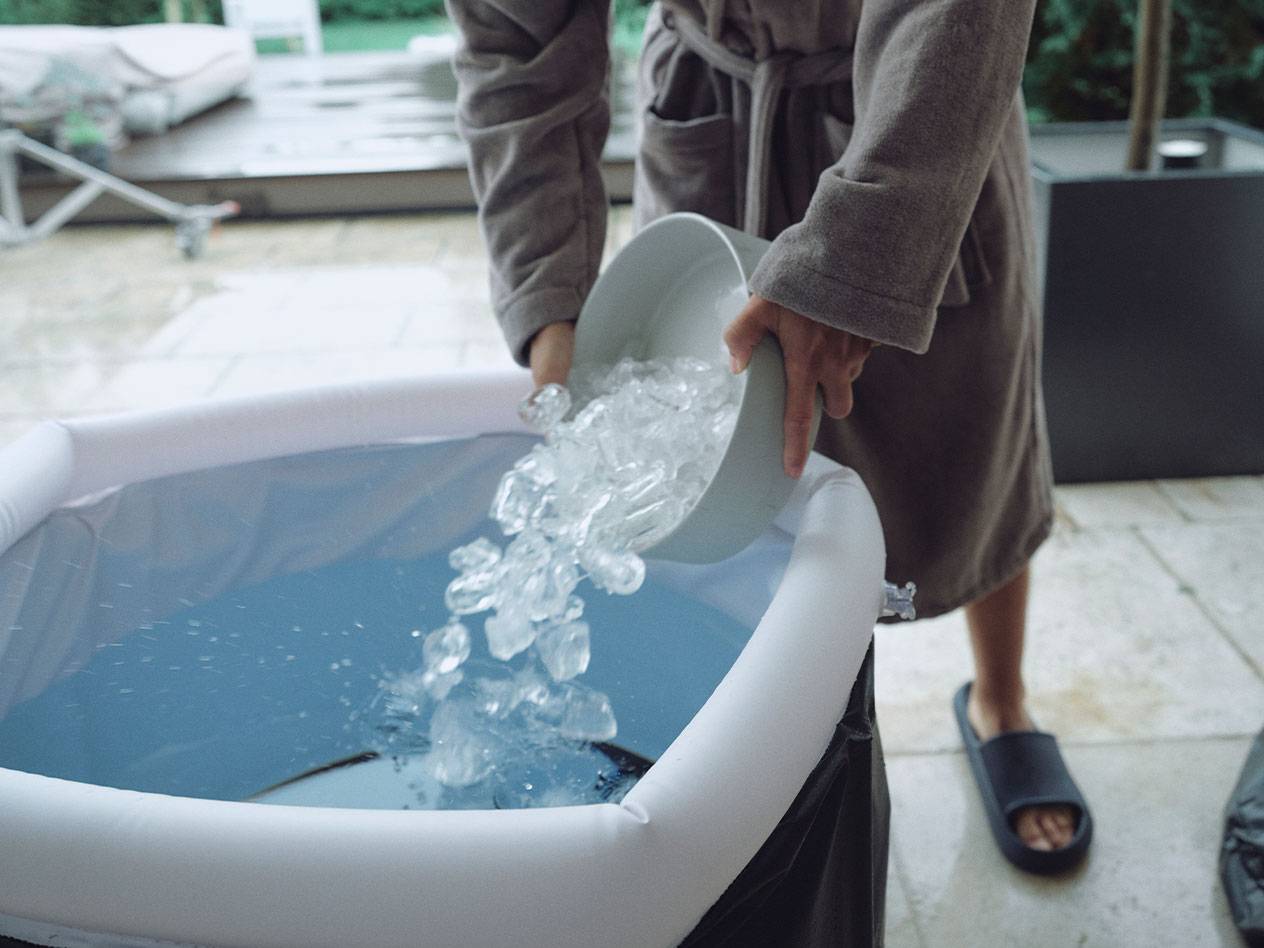
Instead of starting directly in the lake, David recommends starting at home in an ice barrel. “There you can precisely control the temperature, start in a safe and comfortable environment and have all the important equipment within easy reach, making the start stress-free.”
A tip for the barrel: “Make sure it is not heavy. This way you can move it around flexibly—for example, into the shade or closer to the shower.” It should also be large enough for you to sit upright in.
Decrease the temperature gradually
“Ice swimming is not something you can jump into from zero to one hundred,” David emphasizes. A good way to start is with cold showers or foot baths before immersing your whole body. Start with water temperatures around 15 degrees and slowly work your way up to 8 to 10 degrees.
Important: Do not let yourself become too cold! If you feel dizzy or have difficulty breathing, stop immediately.
Prepare yourself mindfully
You shouldn't underestimate the importance of thorough preparation for an ice bath. To prepare yourself both physically and mentally, David recommends mindful breathing: “Those who take a few minutes for calm breathing exercises before getting in will remain more relaxed even in cold water. Your body reacts very strongly, and ultimately it all depends on how you deal with it mentally.”
Choose the right time
An important tip, as this is often done incorrectly: “It’s best to take a break immediately after exercising—otherwise the cold can slow down the muscle growth,” says the sports scientist. After a break, the effects of the cold can be positive: “It helps to reduce the micro-inflammation in the muscles and can prevent the muscle soreness.”

Don't overdo it
2–5 minutes is quite enough, especially for beginners. Even 30 seconds or a minute is sufficient. As with the temperature, increase the duration gradually to avoid the circulatory problems.
What equipment do I need for ice swimming at home?
For a safe and effective ice bath at home, you don't need expensive equipment—with just a few basics you're perfectly equipped:
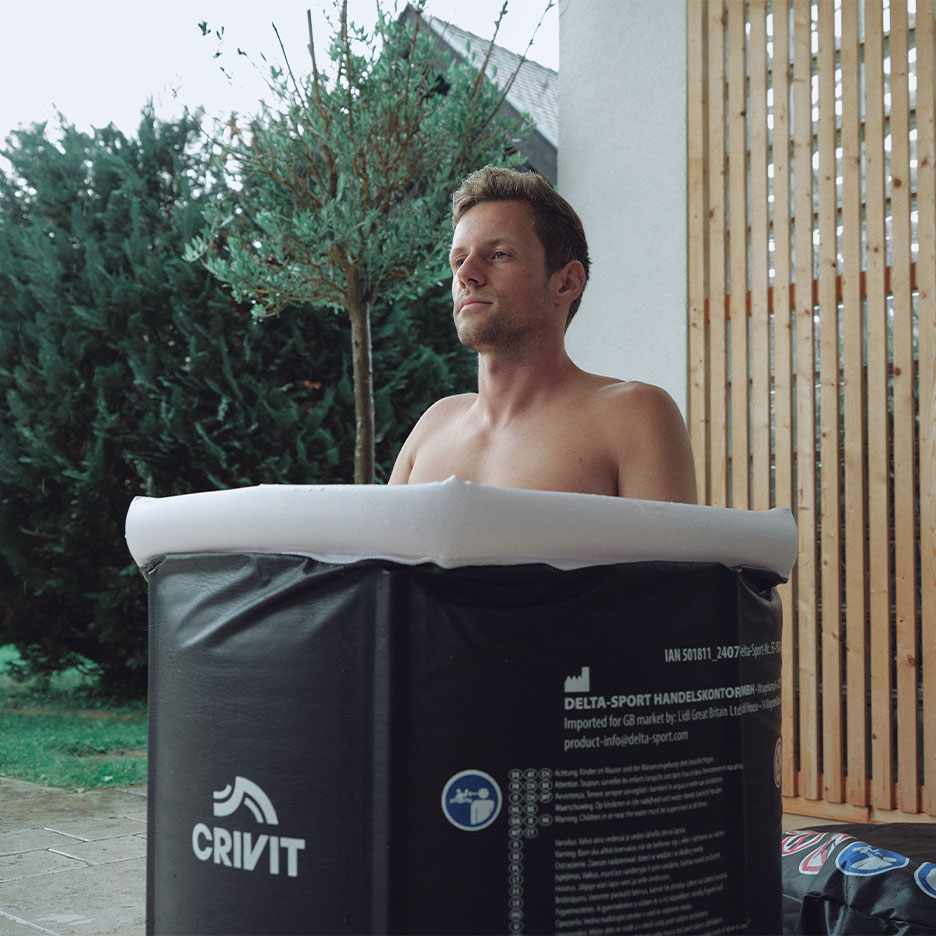
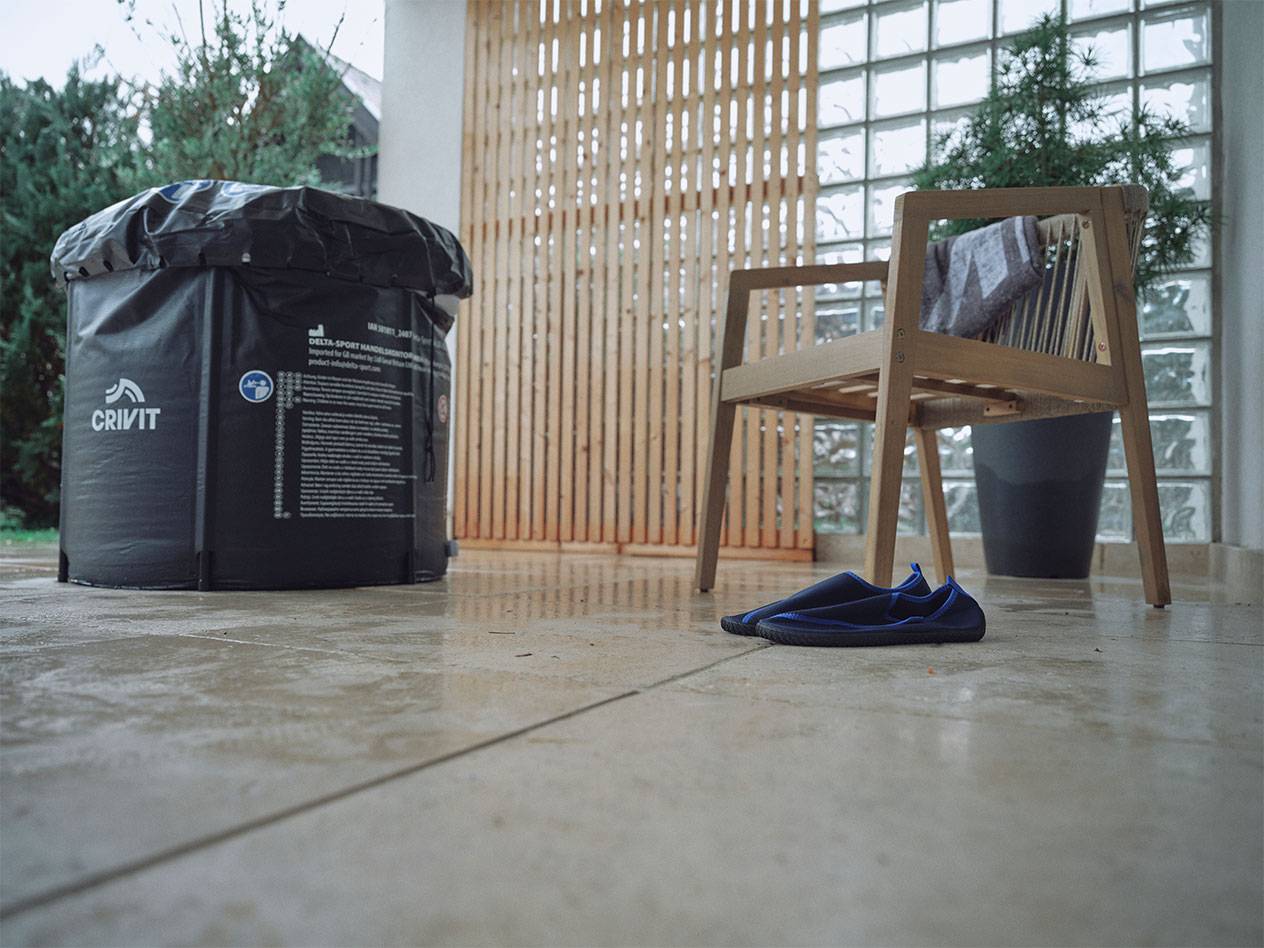
- Ice barrel or large basin: Ideally, you should use a stable, sufficiently deep barrel in which you can comfortably immerse yourself up to your chest. An ice barrel with a thermal lid ensures that the water stays cold for a longer period of time. This saves you from having to refill often, ensuring your cold bath remains effective at all times.
- Ice or cool-packs: To lower the temperature below 10 degrees, you will need some ice cubes or cool-packs. A pool thermometer helps with monitoring.
- Cold protection: Gloves and a hat protect the sensitive areas—especially helpful for beginners.
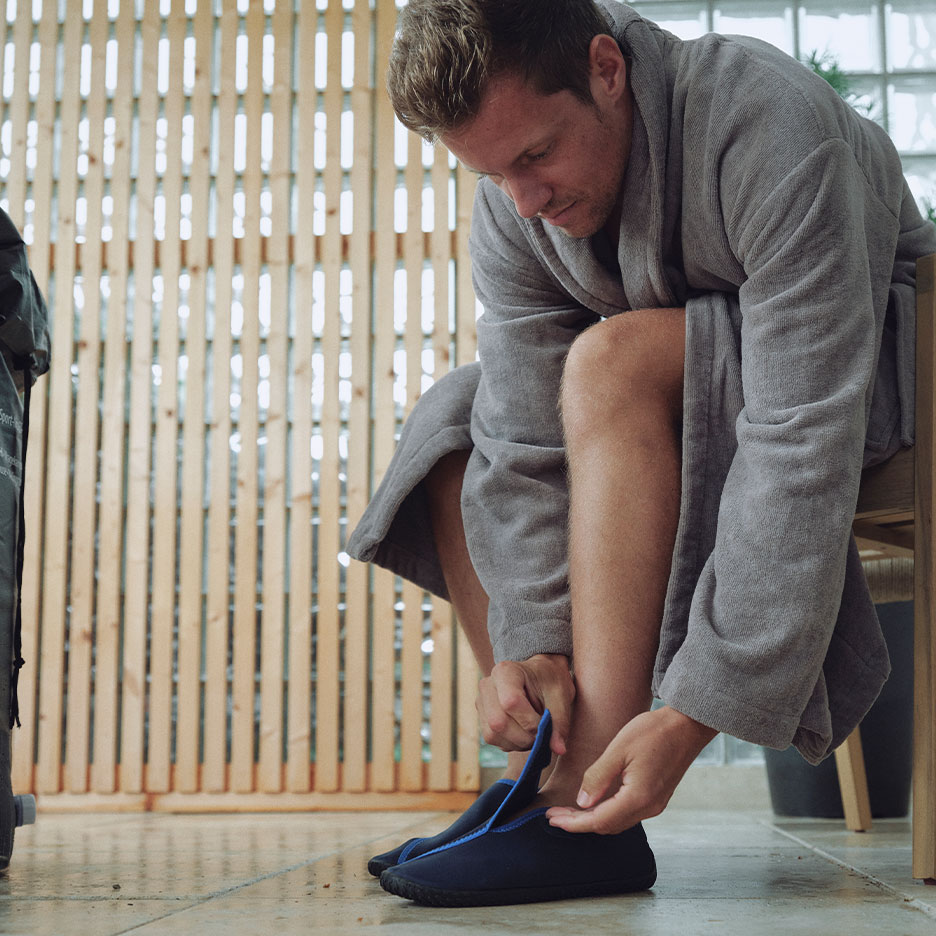
- Aqua shoes: They ensure that you don't slip on wet surfaces. They also protect your feet—not a must at home, but very helpful in the lake.
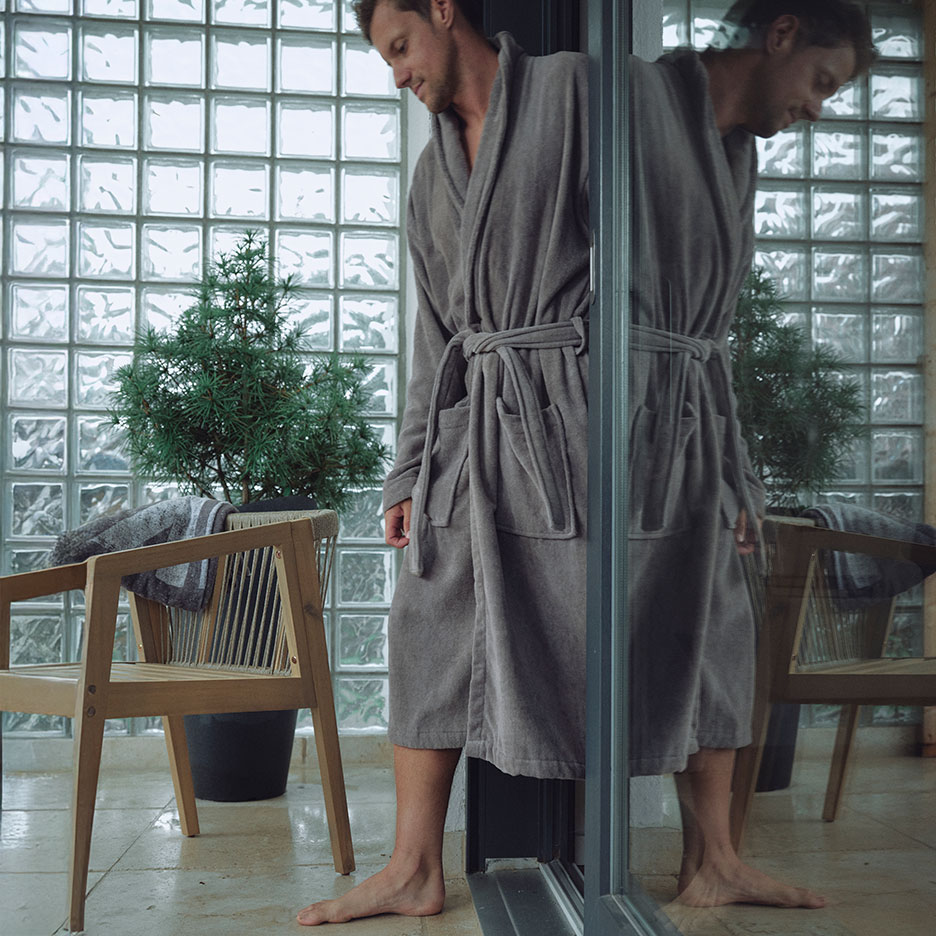
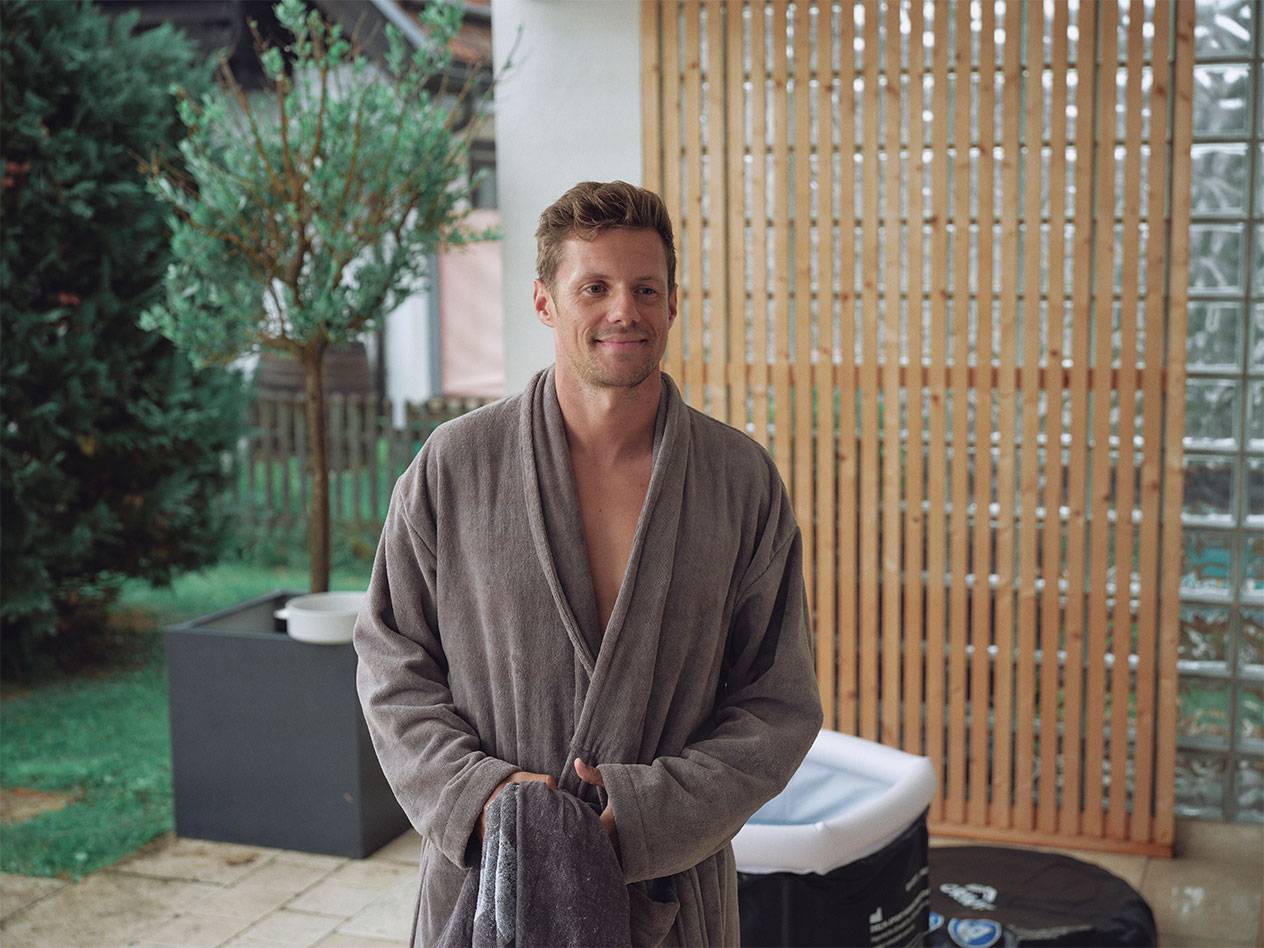
- Something warming for afterwards: After your bath, you should have a towel and a warm bathrobe readily available. This way you can warm up slowly. A warm cup of tea can also be very soothing.
- Optional timer: A timer helps you increase the duration of your ice bath in a controlled manner—especially useful at the beginning.
Who is the ice swimming suitable for?
Ice swimming has many positive effects, especially for regeneration after sporting activities. Nevertheless, ice swimming is not suitable for everyone. Expert David emphasizes: “People with cardiovascular diseases, high blood pressure or circulatory weaknesses should consult a doctor beforehand. And the same applies to colds or infections: it's better to take a break. Regeneration includes respecting your own limits.” A tip you should definitely take seriously.
Consciously regenerating with cold—step by step
Ice swimming is far more than a trend—it is a targeted method to bring your body and mind into balance. When used correctly, cold can accelerate your recovery, inhibit inflammation, reduce stress and recalibrate your nervous system. However, as with any regenerative tool, the following applies: Don’t overdo it, but use it consciously.
The start is especially important. Those who approach it slowly, pay attention to thorough preparation and listen to their body can benefit from the numerous advantages of ice swimming in the long term. And hopefully you will soon realize: The biggest hurdle is often the first step, which gives way to a noticeable boost of freshness for your body and mind.
Frequently asked questions about the ice swimming
1–3 times per week is enough. Quality takes precedence over quantity.
Ideally, the water temperature should be between 5 and 10 degrees Celsius. For beginners, 12–15 degrees is perfectly sufficient. It is important that you gradually get used to lower temperatures and pay attention to how your body feels.
Whether it's better for you to get into the cold water in the morning or in the evening depends on your personal daily rhythm and your goals, because both times have their own advantages: In the morning, when you want to start the day active, awake and productive. In the evening, when you want to switch off, regenerate and sleep better
Not directly. Ice swimming can reduce the inflammation and muscle soreness, allowing you to increase your training frequency. However, an ice bath immediately after strength training can temporarily inhibit the hypertrophy (muscle growth).For this reason: If your goal is to build muscle mass, use the ice swimming between your workouts.
Profile of running expert David
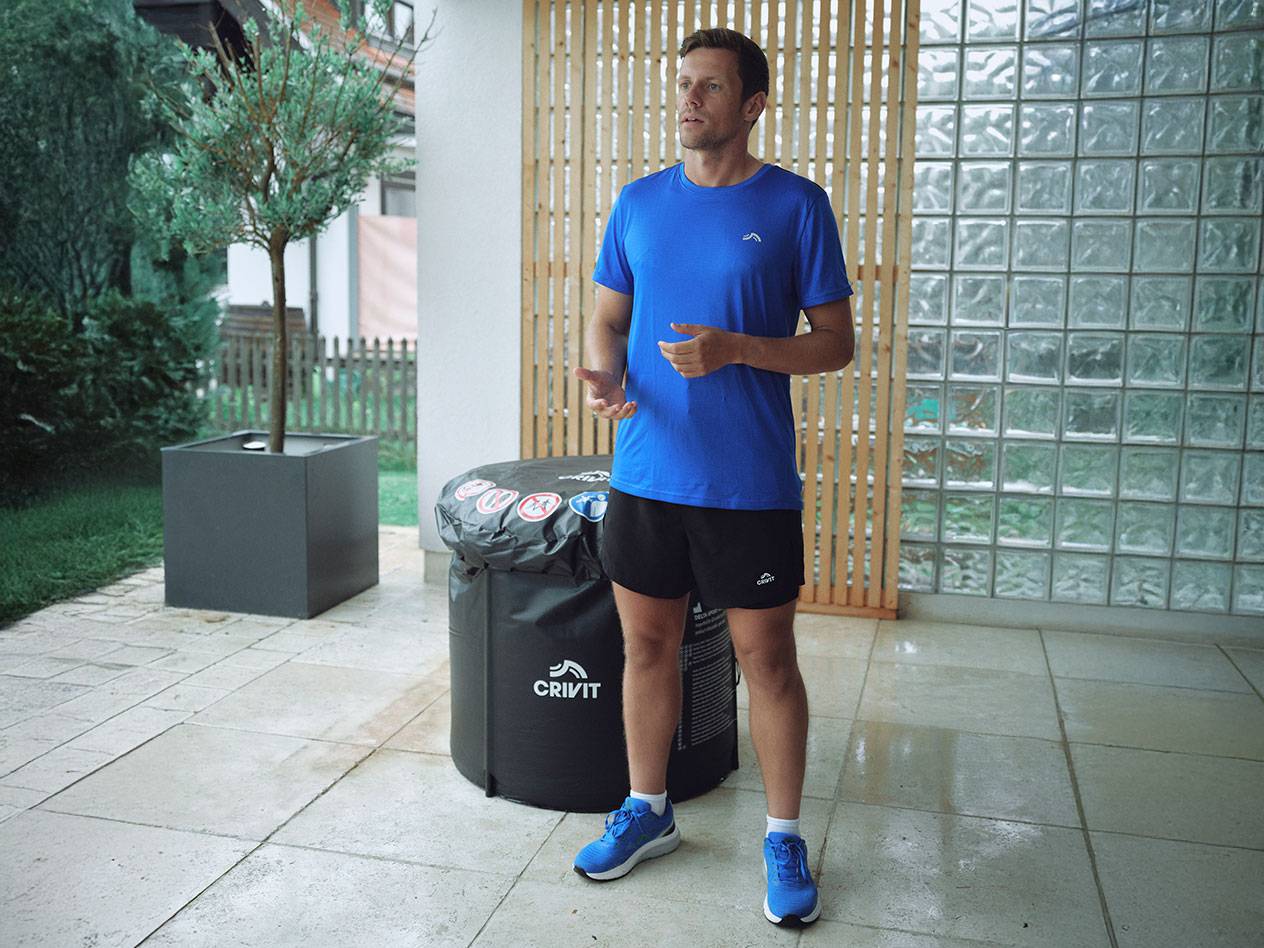
Name: David Schönherr
Age:36 years
Profession: Sports scientist and physiotherapist with his own running schools
Sporting background:
- Επιστήμονας αθλητισμού και φυσικοθεραπευτής
- Δρομέας υπεραποστάσεων / Μαραθώνιος σε 2:23 ώρες
- Δύο φορές νικητής: RedBull-WingsforLife World Runs Germany
Τι χαρακτηρίζει τον David: Ο David είναι αυτό που λέμε «επαγγελματίας» δρομέας. Δεν είναι μόνο το αθλητικό του υπόβαθρο που αποδεικνύει την αξία του. Μοιράζεται την εμπειρία του και είναι ιδρυτής της RunningCrew και της Σχολής τρεξίματος του Μύνστερ.